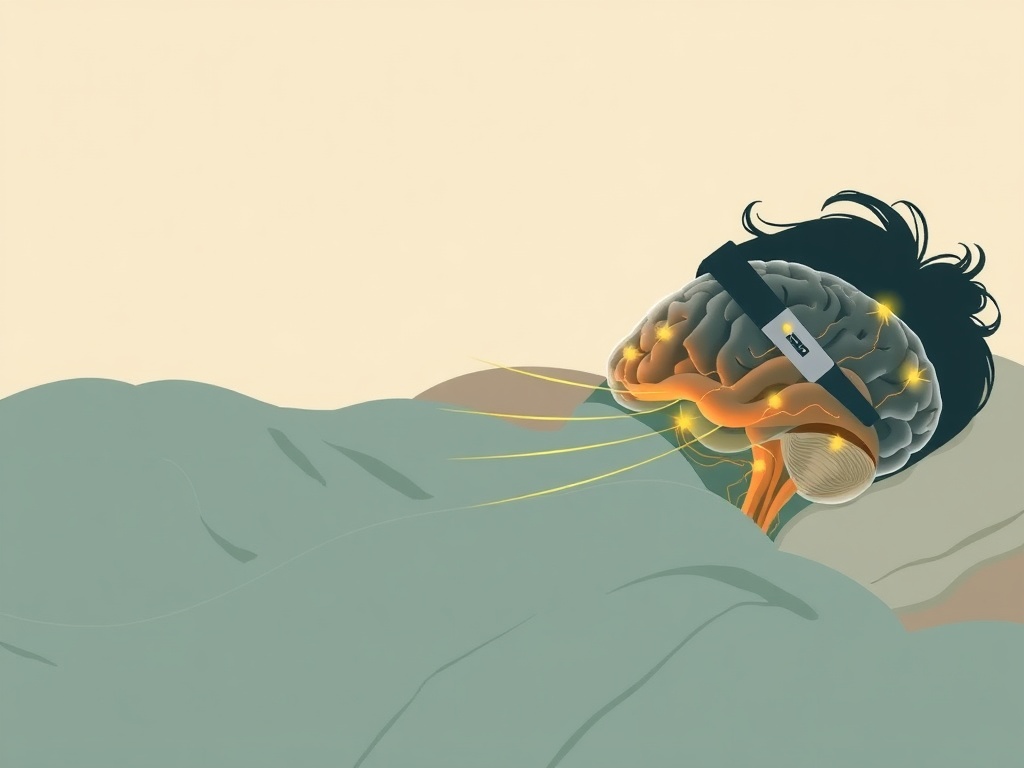
Intranasal Oxytocin Reverses Social Isolation Brain Damage in Mice
Adolescent mice subjected to three months of social isolation developed anxiety, depression, and severe social memory deficits, but intranasal oxytocin treatme…
Found 11 results for "brain health"
Adolescent mice subjected to three months of social isolation developed anxiety, depression, and severe social memory deficits, but intranasal oxytocin treatme…
Eliminating growth hormone receptors specifically in fat tissue dramatically protected aged mice from brain deterioration and cognitive decline. The interventi…
Chinese researchers have identified lactylation—a recently discovered epigenetic modification—as a key mechanism through which neurotoxins trigger the death of…
Larval zebrafish demonstrate sophisticated energy-optimization algorithms in their neural motor circuits, selectively modulating movement patterns to maximize…
Cryo-electron microscopy reveals that Munc13-1, a critical protein orchestrating neurotransmitter release, assembles into trimeric clusters on phospholipid-ric…
Elevated circulating β-hydroxybutyrate (BHB) concentrations demonstrate significant association with reduced cognitive deterioration risk, providing compelling…
Presbycusis affects two-fifths of adults past 65, yet many dismiss auditory deterioration as inevitable aging rather than seeking intervention. The sensory def…
Analysis of nearly 125,000 UK Biobank participants reveals menopause correlates with measurable shrinkage in gray matter volumes within the medial temporal lob…
Monthly cash payments of approximately $20 preserved cognitive function and reduced dementia risk among adults aged 40-79 in rural South Africa, according to l…
National Institute on Aging researchers project that individuals reaching age 55 today face a 42% lifetime probability of developing dementia, with total cases…
X-chromosome inactivation patterns inherited from mothers appear to selectively disable critical neuronal genes, triggering accelerated cellular senescence in…