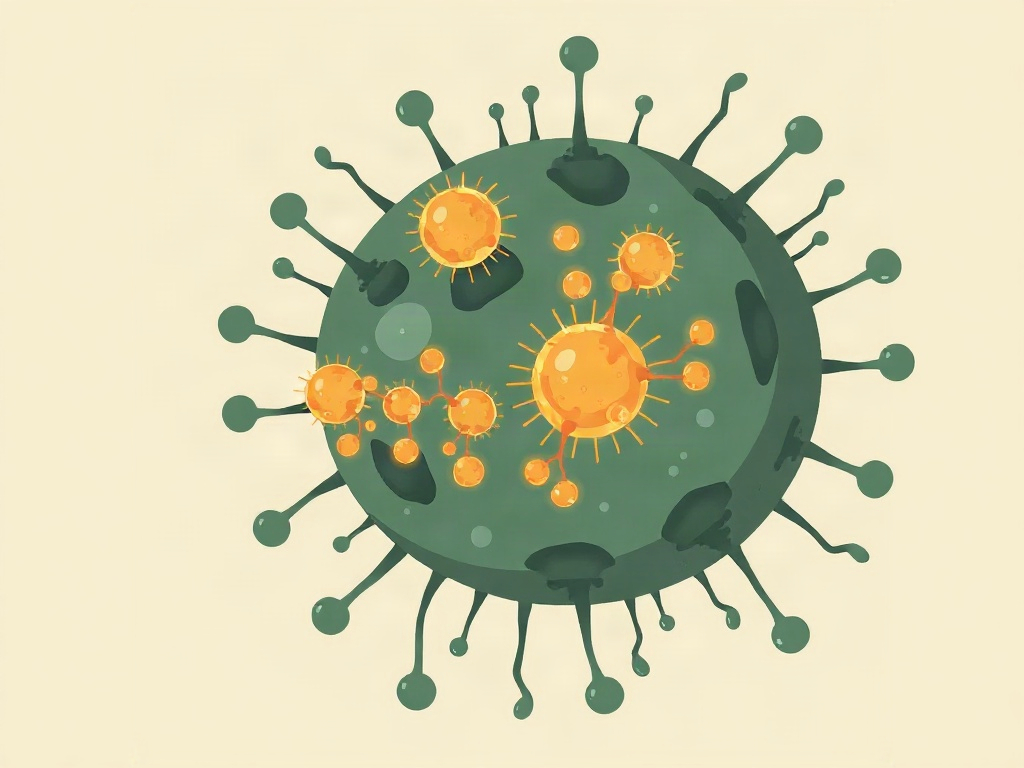
CircRNA circKLHL20_009 Blocks Heart Muscle Thickening via miR-31-5p Suppression
Heart failure driven by pathological cardiac remodeling — the progressive thickening and scarring of heart muscle — remains one of the leading causes of…
Found 1856 results for "cancer"
Heart failure driven by pathological cardiac remodeling — the progressive thickening and scarring of heart muscle — remains one of the leading causes of…
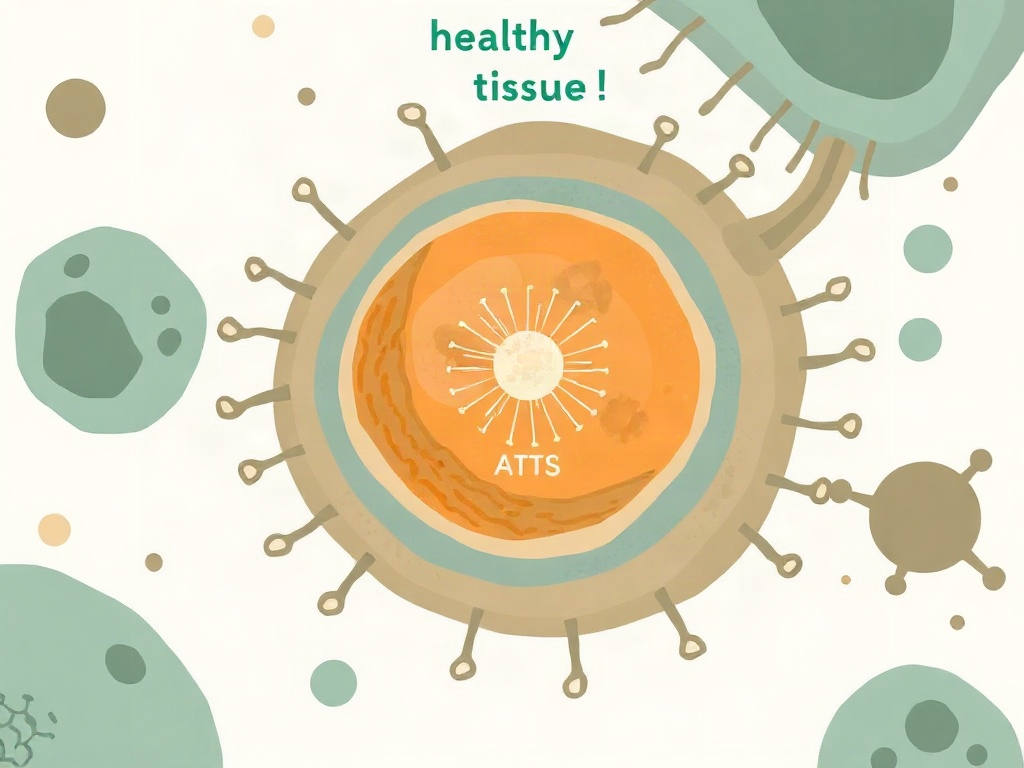
Understanding why type 2 diabetes so reliably destroys blood vessels has long been one of cardiovascular medicine's most pressing puzzles. A molecular…
Irritable bowel syndrome affects roughly one in ten adults globally, yet its management remains inconsistent and often frustrating for both patients and…
An automated evidence-synthesis platform called MetaFemina, integrating large language model (LLM)-assisted extraction with random-effects meta-analysis…
Obesity doesn't just add weight — it fundamentally rewires the immune system in ways that linger even after weight loss, leaving the innate immune defenses…
Triple-negative breast cancer is notoriously unresponsive to immunotherapy, and understanding why tumors evade immune destruction remains one of oncology's…
For men whose metastatic prostate cancer has stopped responding to standard androgen-pathway blockade, treatment options narrow quickly and outcomes worsen. A…
Complete, durable remission in a patient with no remaining standard treatment options is among the rarest and most instructive events in oncology — and this…
Lung cancer remains the leading cause of cancer mortality worldwide, yet low-dose CT screening — a tool proven to reduce deaths in high-risk adults — reaches…
For decades, the promise of training the immune system to recognize and destroy a patient's own cancer has outpaced delivery. That gap may finally be…
One of the most persistent dilemmas in cancer immunotherapy has been that the drug combinations most likely to eliminate tumors are also the ones most likely…
For the roughly half of blood cancer patients who relapse after stem cell transplantation, understanding why the cancer escapes immune surveillance is…
For cancer patients receiving targeted therapies, cardiovascular side effects can be as threatening as the disease being treated. Understanding precisely how…
Pancreatic cancer's lethality is largely driven by its tendency to spread to the liver before diagnosis, and few molecular targets have offered tractable…
Colorectal cancer screening statistics routinely understate the true benefit of fecal occult blood testing — a methodological blind spot that may be quietly…
For the roughly half of high-risk localized prostate cancer patients who relapse within five years of surgery, perioperative intensification of androgen…
Pancreatic cancer remains one of medicine's most intractable challenges precisely because it is almost never caught early enough to treat effectively…
The chronic low-grade inflammation produced by senescent cells — the so-called senescence-associated secretory phenotype, or SASP — is increasingly recognized…
One of the most vexing problems in longevity medicine is that the same cellular arrest mechanism that protects against cancer — senescence — also generates a…
For the roughly 40% of breast cancer patients who are obese at diagnosis, tumor biology may be fundamentally different — and more aggressive — than standard…