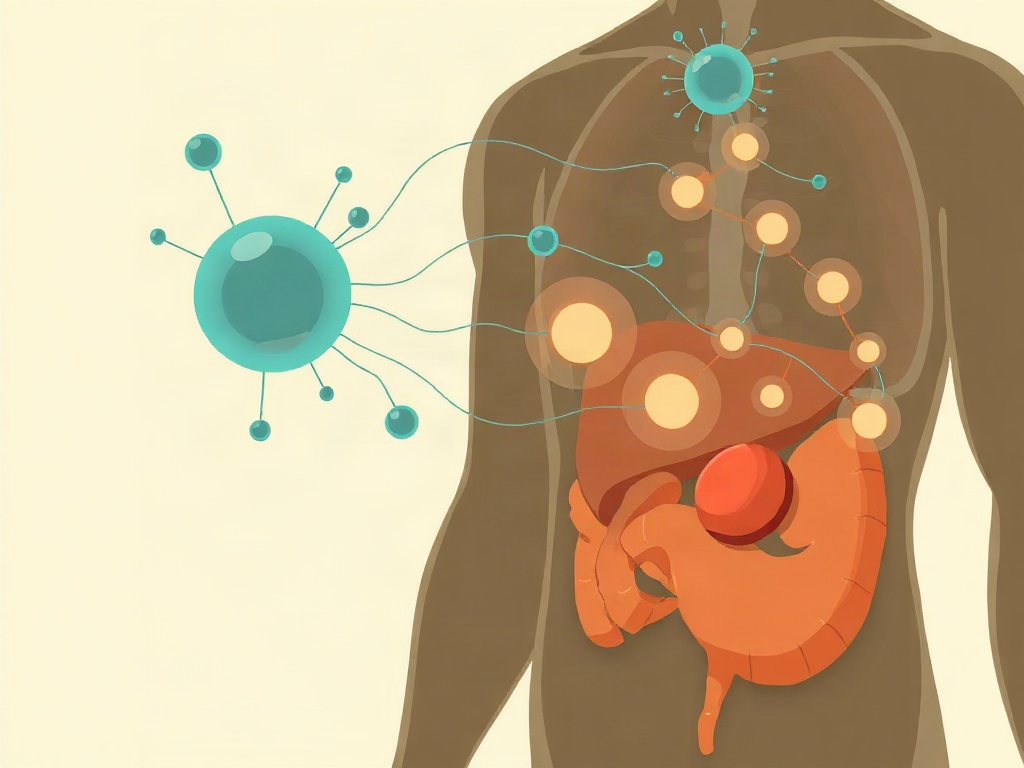
Musical interventions activate distinct neurobiological mechanisms that measurably improve athletic recovery, pain tolerance, and competitive performance in elite athletes. The research identifies specific pathways including enhanced parasympathetic nervous system activation, reduced cortisol release, and improved heart rate variability during recovery phases. These physiological changes translate to faster muscle recovery, better sleep quality, and enhanced focus during high-pressure competition scenarios. The findings represent a significant advancement in sports science methodology, moving beyond anecdotal evidence to establish music as a legitimate performance enhancement tool with measurable biomarkers. This approach offers particular value for endurance athletes and those in high-stress competitive environments where psychological resilience directly impacts physical output. The multi-pathway approach distinguishes this work from earlier studies that focused solely on motivational aspects, instead revealing how auditory stimulation directly influences autonomic nervous system function and stress hormone regulation. For athletic programs seeking evidence-based recovery protocols, musical interventions present a low-cost, non-pharmacological option that addresses both physical and psychological demands of elite competition without regulatory concerns or side effects.
Musical Interventions Boost Athletic Recovery and Performance via Neurological Pathways
Primary reference: British Journal of Sports Medicine · View source ↗
Informational, non-clinical synthesis informed by published research. Not a clinical guideline or medical advice. May contain errors or editorial interpretation. Consult the original source and your physician.