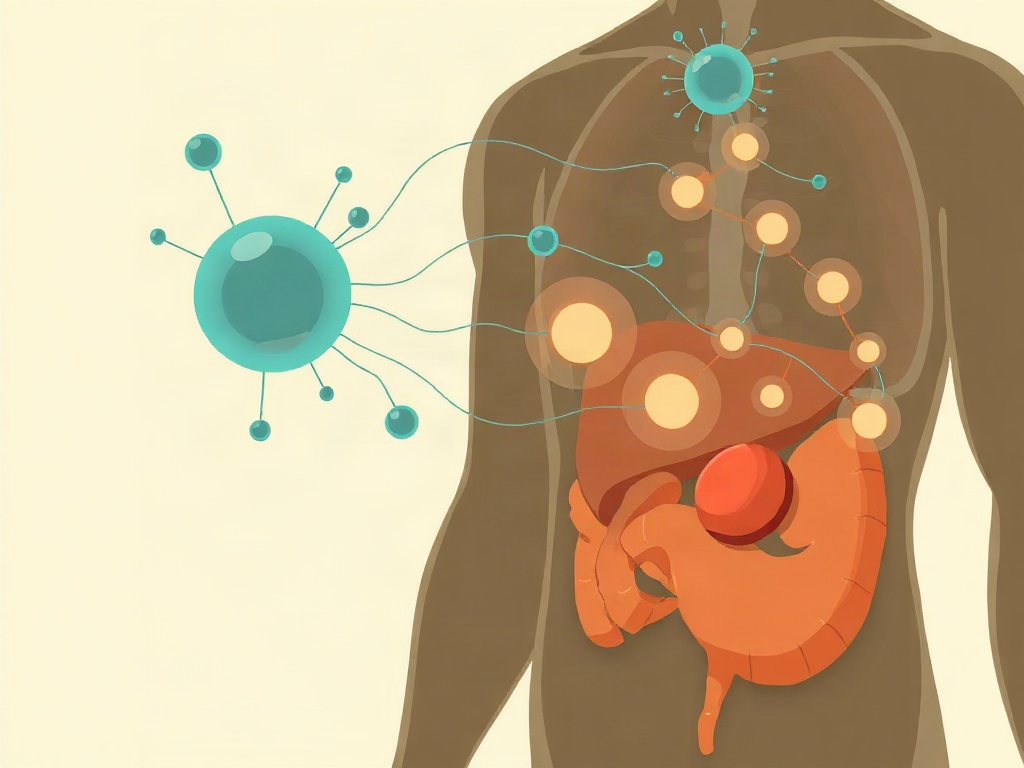
How hard you exercise may matter as much as how long — and the molecular reasons why are finally coming into focus. Understanding which biological messengers are released at different exercise intensities could help explain why sprint-interval training and moderate steady-state cardio produce overlapping yet distinct health outcomes, and might eventually inform personalized exercise prescriptions for obesity, type 2 diabetes, and hypertension.
This multi-cohort human intervention compared sprint-interval exercise (SIE) against moderate-intensity exercise (MIE) in both untrained and trained participants, systematically mapping intensity-driven changes across the plasma proteome and metabolome. The researchers then cross-referenced these circulating factors against multi-organ gene and protein expression datasets — combining in vitro cell work with in vivo tissue sampling — to trace secreted proteins back to their tissues of origin and predict their downstream targets. Muscle fibers and adipocytes emerged as especially intensity-sensitive tissues, each exhibiting pronounced secretory and transcriptomic shifts. Linking these intensity-dependent proteins to a large-scale plasma-phenome database then revealed distinct associations with cardiometabolic risk markers.
This work sits at the convergence of exercise physiology and proteomics, an area that has accelerated rapidly since landmark studies on the "exercisekine" landscape began emerging around 2020. What distinguishes this study is the deliberate intensity comparison within a human cohort, moving beyond animal models that dominate mechanistic exercise research. The organ-crosstalk framework — treating muscle and fat not as passive targets but as active endocrine organs whose secretory repertoire shifts with intensity — is potentially paradigm-shifting for how exercise is prescribed clinically. Key limitations worth noting: cohort sizes in intervention studies of this complexity are typically modest, dose-response relationships between intensity and specific proteins remain to be fully characterized, and whether observed protein associations with cardiometabolic phenotypes are causal or merely correlational requires dedicated mechanistic follow-up. Still, this represents a meaningful step toward molecularly grounded, intensity-specific exercise medicine.