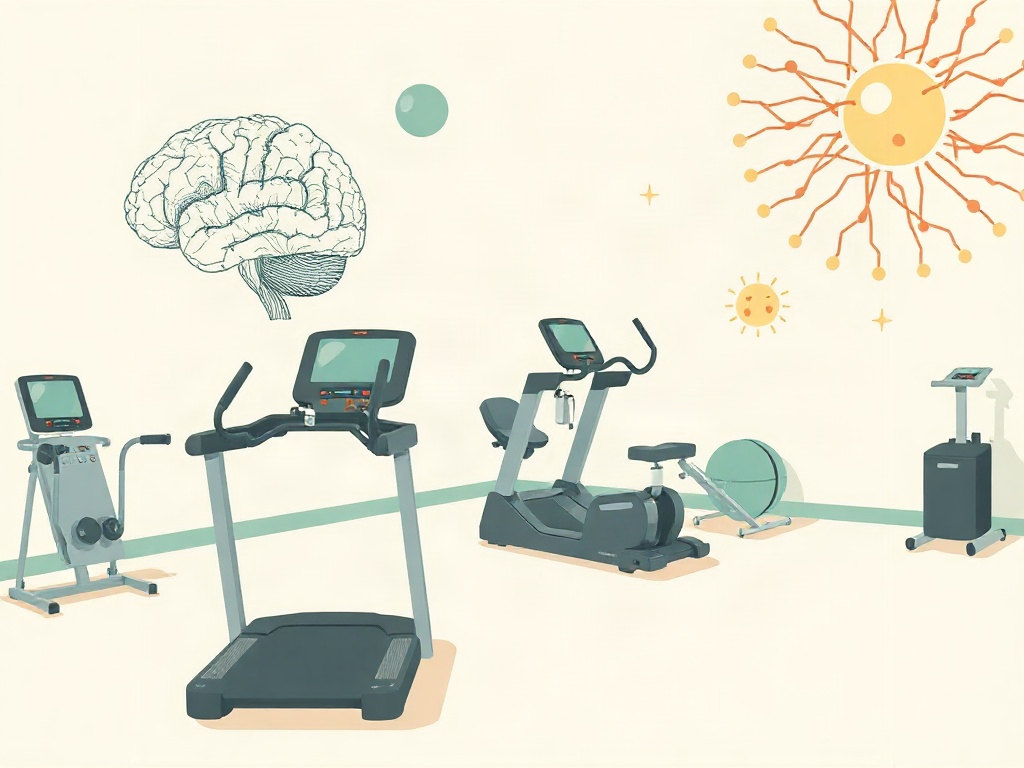
More than half of stroke survivors develop measurable cognitive decline within six months — a statistic that reframes stroke not merely as a vascular emergency but as a potential trigger for accelerated neurodegeneration. If a structured exercise intervention delivered in that narrow post-stroke window could interrupt this cascade, it would fundamentally alter rehabilitation priorities worldwide. That is the premise being formally tested by the PROTECT trial.
The trial is a Phase 3, multisite Bayesian adaptive randomized controlled trial enrolling stroke survivors in the subacute phase — defined here as within six months of the event. Participants receive either 12 weeks of multimodal training combining moderate-to-high-intensity resistance and aerobic exercise, or a low-intensity exercise comparator. The primary endpoint is global cognition assessed via the ADAS-Cog-13, a validated 13-item instrument with established sensitivity to dementia-range decline. Secondary outcomes span neuroimaging markers and blood-based biomarkers of dementia risk, with follow-up extending to 12 months — a design capable of detecting whether any cognitive benefit persists or attenuates after the intervention ends.
What makes this trial methodologically notable is its Bayesian adaptive architecture. Unlike classical fixed-sample RCTs, Bayesian adaptive designs allow pre-specified interim analyses to update allocation probabilities in real time, potentially reducing exposure to inferior treatment arms without sacrificing statistical rigor. This is particularly appropriate for a vulnerable post-stroke population where participant burden matters.
The scientific rationale is compelling but not yet proven in this specific window. Prior evidence that combined aerobic and resistance training improves cognition comes predominantly from chronic stroke populations — months or years post-event. The subacute phase may represent a neuroplasticity window with distinct biology: elevated inflammatory signaling, disrupted cerebrovascular autoregulation, and heightened synaptic remodeling are all potentially modifiable targets. Whether exercise intensity thresholds established in chronic cohorts translate safely and effectively to the acute recovery period remains an open and clinically important question. This trial is well-positioned to answer it, though results remain pending.