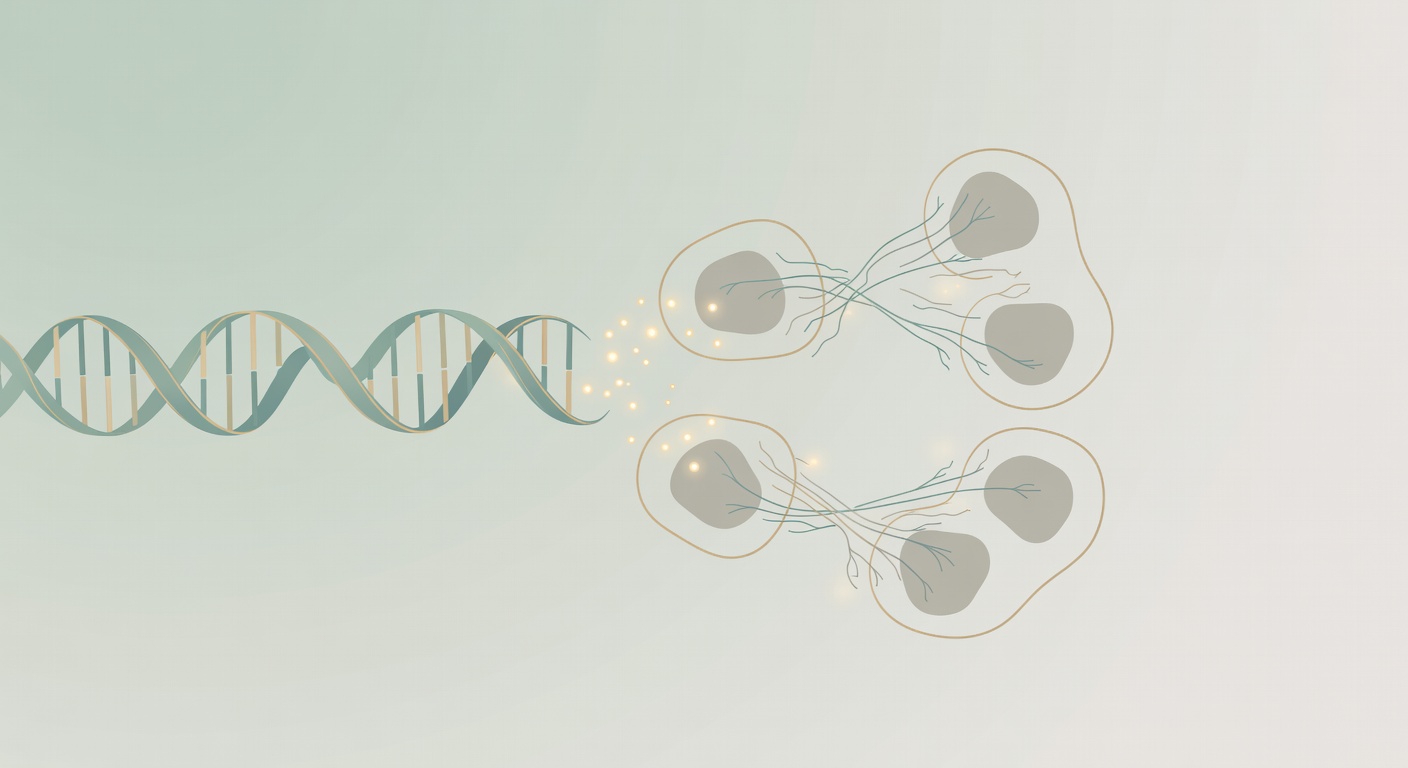
CRISPR-edited human cord blood stem cells carrying the GATA2-R398W mutation display severe mitotic dysfunction and accelerated aging signatures that compromise their competitive fitness. The engineered cells showed impaired proliferation, disrupted cell cycle progression, and mitotic defects that led to stem cell exhaustion and reduced self-renewal capacity. This cellular aging phenotype represents a critical mechanistic link between transcriptional regulation and hematopoietic stem cell longevity that has been difficult to model in traditional systems. The finding that GATA2 deficiency creates a dominant fitness disadvantage—even when combined with cancer-promoting mutations in SETBP1 and ASXL1—suggests these cells are fundamentally compromised at the most basic level of cellular division. This work provides molecular evidence for why GATA2 haploinsufficiency predisposes to bone marrow failure and blood cancers in humans. The humanized CRISPR model offers advantages over mouse systems by capturing species-specific aging mechanisms. For individuals with hereditary GATA2 variants, this research indicates that stem cell dysfunction begins early and progressively worsens, potentially informing timing of interventions like bone marrow transplantation before irreversible aging damage accumulates.
GATA2 Gene Defect Triggers Premature Aging in Blood Stem Cells
📄 Based on research published in Leukemia
Read the original research →For informational, non-clinical use. Synthesized analysis of published research — may contain errors. Not medical advice. Consult original sources and your physician.