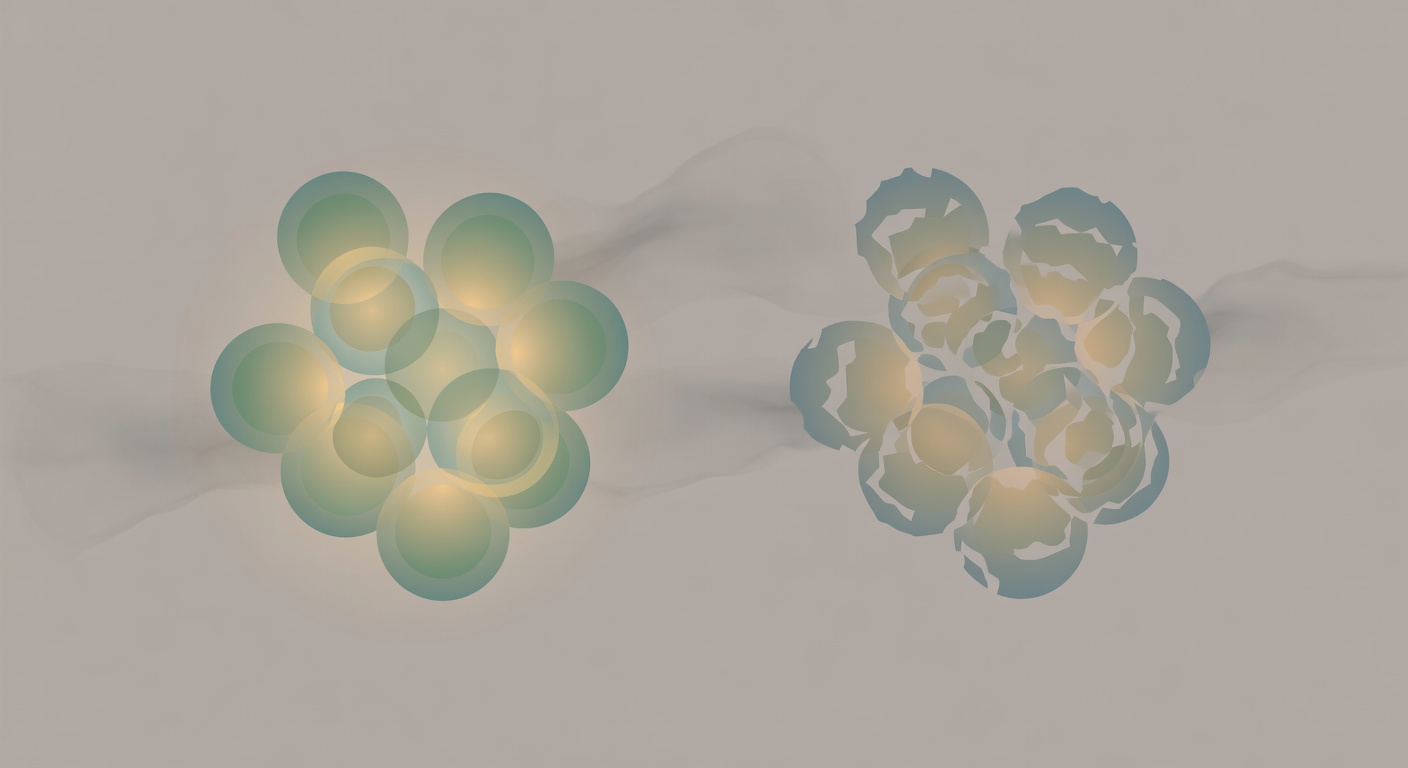
Single-cell sequencing reveals cigarette smoke condensate creates two distinct populations within the retinal pigment epithelium—the eye tissue critical for vision support. One cluster maintains normal function while another becomes dedifferentiated with globally reduced chromatin accessibility and diminished expression of aging-resistance genes. Young dedifferentiated cells compensate by upregulating mitochondrial and protein maintenance pathways, but aged dedifferentiated cells lose this protective response, leading to significantly higher cell death rates. This cellular bifurcation represents a fundamental mechanism linking smoking to age-related macular degeneration, the leading cause of blindness in older adults. The finding illuminates why smoking accelerates eye aging—it doesn't just damage all cells uniformly but creates vulnerable subpopulations that become liability clusters within the tissue. This heterogeneity pattern appeared in both four-month smoke-exposed mice and human macular tissue from smokers and AMD patients, but was absent in non-smoker controls. The research suggests that preserving cellular homogeneity, rather than just preventing damage, may be key to maintaining eye health with aging. The discovery of compensatory mechanisms in young cells also points toward potential therapeutic targets for maintaining visual function in smokers and those at AMD risk.
Cigarette Smoke Creates Two Distinct Aging Cell Types in Vision-Critical Eye Tissue
Primary reference: Proceedings of the National Academy of Sciences of the United States of America · View source ↗
Informational, non-clinical synthesis informed by published research. Not a clinical guideline or medical advice. May contain errors or editorial interpretation. Consult the original source and your physician.