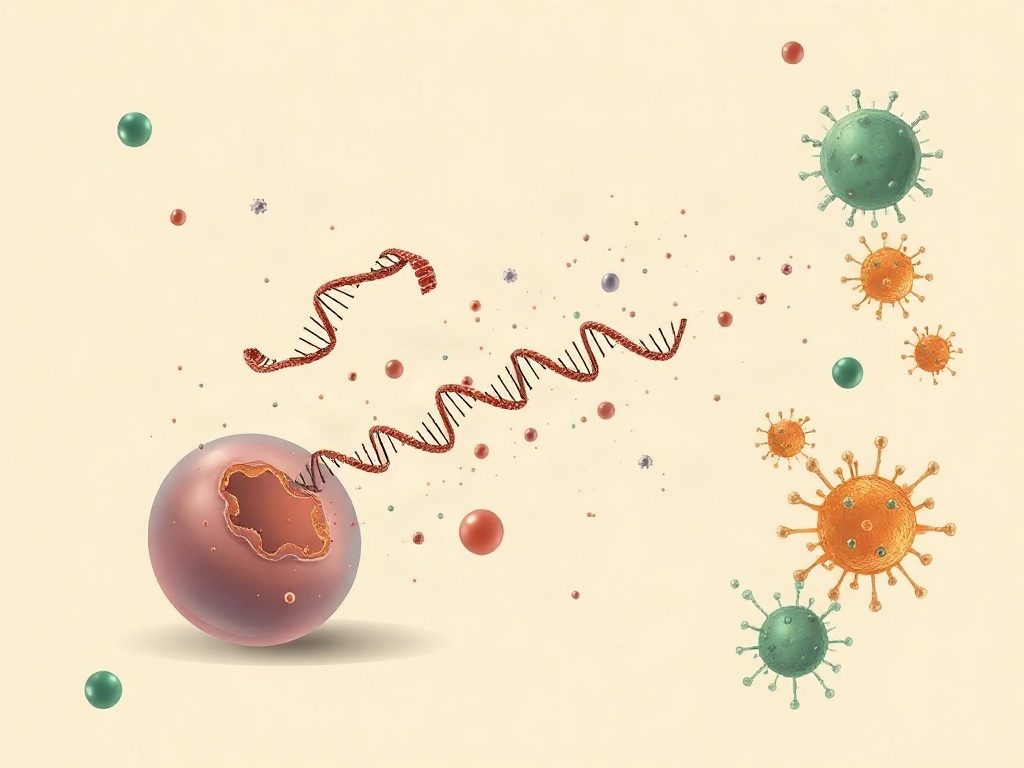
Ionizing radiation at 20 Gy triggers atrial fibrillation in mice through a precise molecular cascade: DNA damage activates ATM/ATR kinases, driving GATA4 accumulation and NF-κB phosphorylation, which collectively unleash the senescence-associated secretory phenotype (SASP). SA-β-galactosidase activity confirmed senescent cell buildup in irradiated atria, while transcriptomics validated enrichment of DNA damage response, NF-κB, and aging pathways. GATA4 knockdown in HL-1 cardiomyocytes blocked both senescence and SASP, establishing causality. The senolytic combination dasatinib plus quercetin (D/Q) dismantled this axis — reducing DNA damage markers, curbing excessive autophagy, and suppressing SASP — ultimately reversing both structural and electrophysiological atrial remodeling.
This finding matters beyond oncology cardiology. Radiation-induced heart disease affects an estimated 10–30% of thoracic cancer survivors, and AF is among its most clinically disruptive sequelae. The GATA4-NF-κB-SASP axis identified here connects two independently studied fields — cardiac senescence biology and arrhythmia pathogenesis — in a mechanistically coherent way. Critically, D/Q is already in human clinical trials for other senescence-driven conditions (IPF, diabetic kidney disease), meaning translational distance is shorter than typical preclinical discoveries. Limitations are real: the 20 Gy single-dose mouse model doesn't replicate fractionated clinical radiotherapy, and human atrial tissue responses may diverge substantially. Still, this is more than incremental — it reframes radiation-induced AF as a targetable senescence disease rather than irreversible tissue injury, opening a credible therapeutic window for cancer survivors.