Chronic inflammation in aging tissue has long been attributed to senescent cells, but the precise molecular trigger connecting damaged telomeres to the body's immune alarm system has remained elusive. A new mechanistic study closes a significant gap in that understanding, identifying a specific molecular cargo — telomere-associated chromatin fragments — as a previously unrecognized ignition switch for the inflammatory cascade that defines aged and damaged cells.
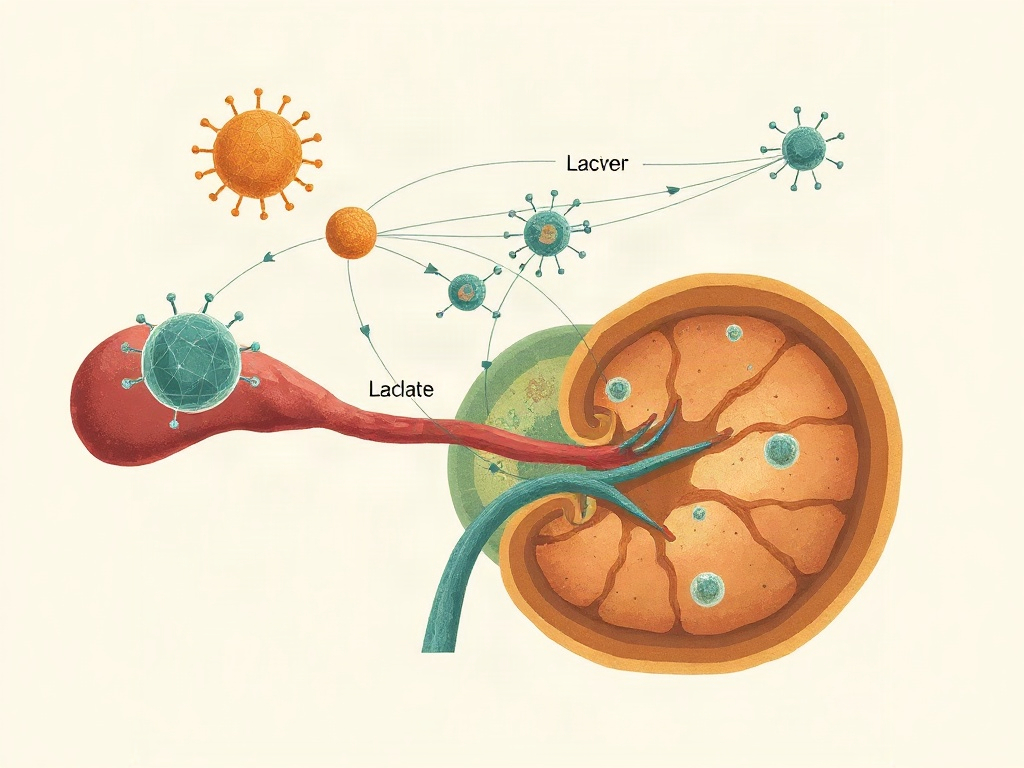
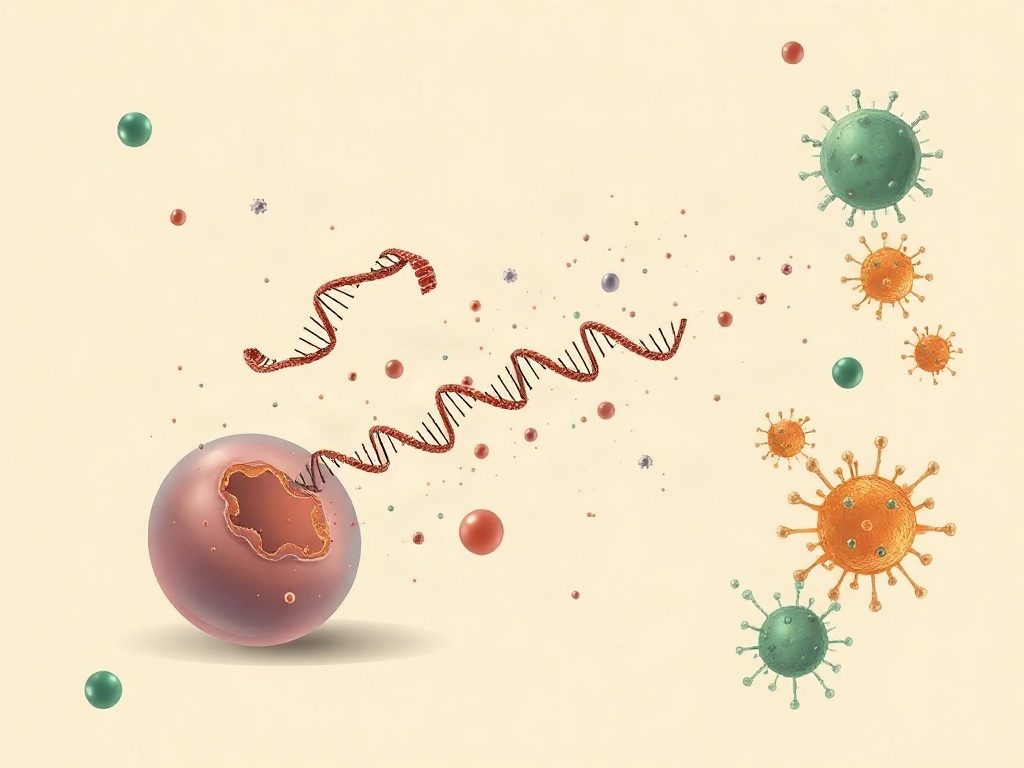
Researchers discovered that senescent cells accumulate cytoplasmic chromatin fragments (CCFs) distinctively enriched with TRF2, a shelterin complex protein that normally caps and protects chromosome ends. These extruded fragments carry hallmarks of persistent, unrepaired DNA damage — including γH2AX marks and the repressive histone modification H3K27me3 — while conspicuously lacking DNA repair machinery, signaling that the damage is effectively irreversible. Nuclear lamina deterioration, inflammatory stress, and progeroid mutations collectively compromise nuclear membrane integrity, enabling these TRF2-bound telomeric fragments to escape into the cytoplasm. Once there, they activate the cGAS-STAT1 innate immune signaling axis, sustaining the senescence-associated secretory phenotype (SASP) and locking cells into a reinforced inflammatory state. Notably, both JAK-STAT pharmacological inhibition and metformin treatment reduced CCF accumulation, dampened cGAS-STAT1 activity, and lowered SASP markers.
This finding is conceptually important because it places telomere dysfunction upstream of cytoplasmic innate immune sensing — a causal chain that had been suspected but not molecularly resolved. The cGAS-STING pathway's role in senescence is well-established, but pinpointing TRF2-enriched CCFs as the specific nuclear-derived immunogenic signal adds mechanistic granularity. Metformin's suppressive effect on this pathway is particularly noteworthy given its existing longevity research profile. Key limitations include the study's cell-based and model organism scope — human in vivo validation remains outstanding — and it is a single study requiring independent replication. Still, the identification of TRF2-enriched CCFs as a druggable node linking nuclear instability to inflammaging represents a genuinely incremental advance with real translational potential.