Gut health in older adults may be more tightly tied to systemic inflammation than previously understood — and a newly identified molecular circuit explains why. Most research on intestinal aging has focused on local cellular changes, but this work reframes the question: what if the aging gut stem cell is largely a victim of inflammatory signals originating elsewhere in the body?
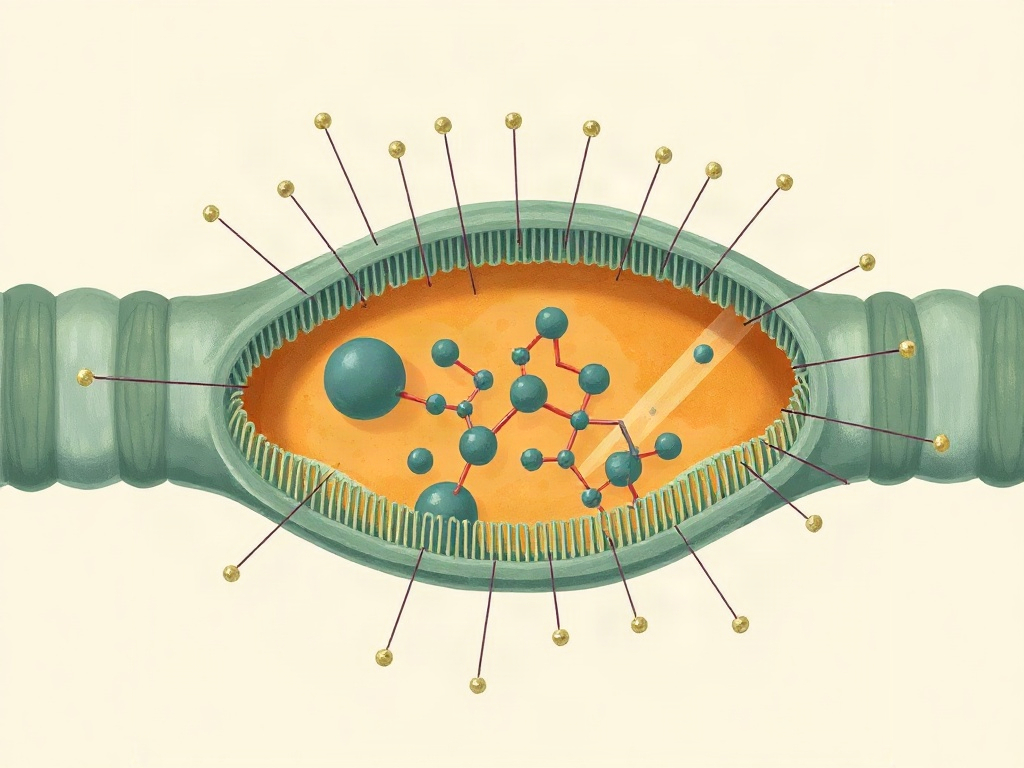
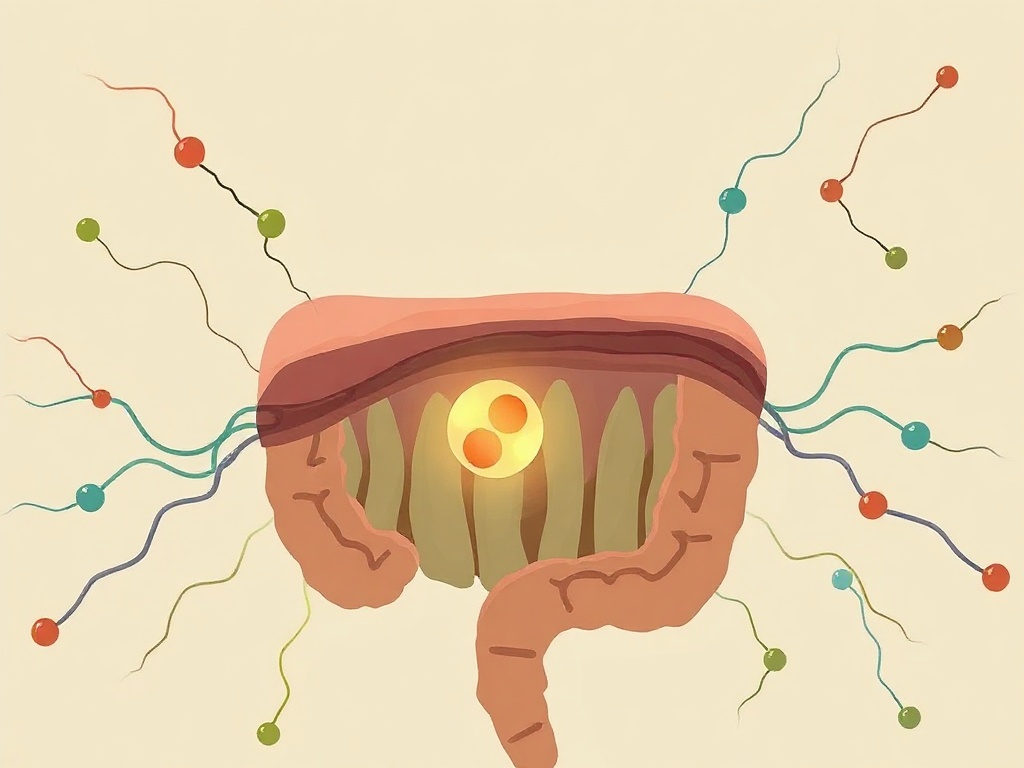
Published in Nature Aging, the study by Wang and colleagues identifies TNF receptor 1 (TNFR1) signaling as a mechanistic bridge between chronic low-grade inflammation and the functional decline of intestinal stem cells (ISCs). The team found that TNFR1 activation suppresses fatty acid oxidation (FAO) — a critical metabolic pathway that ISCs rely on to maintain their regenerative capacity. Crucially, when aged circulation was introduced into young mice via parabiosis or blood transfer, the aging ISC phenotype was reproduced in the younger animals, establishing that the deterioration is driven by circulating inflammatory factors rather than cell-intrinsic aging programs alone.
This finding carries considerable weight in the longevity research landscape. Intestinal stem cells are the workhorses of gut epithelial renewal, replenishing the lining every four to five days. Their impairment with age is associated with increased intestinal permeability, inflammation amplification, and elevated colorectal cancer risk — all clinically relevant endpoints. The identification of FAO disruption as the downstream effector is particularly actionable: mitochondrial fatty acid metabolism has been a therapeutic target in other contexts, including metabolic disease and oncology. Whether restoring FAO pharmacologically — or reducing TNF signaling systemically — could rescue ISC function in aging humans remains an open question. The parabiosis evidence is compelling, but translating mouse circulatory transfer models to human clinical relevance requires careful scrutiny. Still, as paradigm-level mechanistic work tying systemic inflammaging to tissue-specific stem cell decline, this study ranks among the more significant gut-aging findings in recent years.