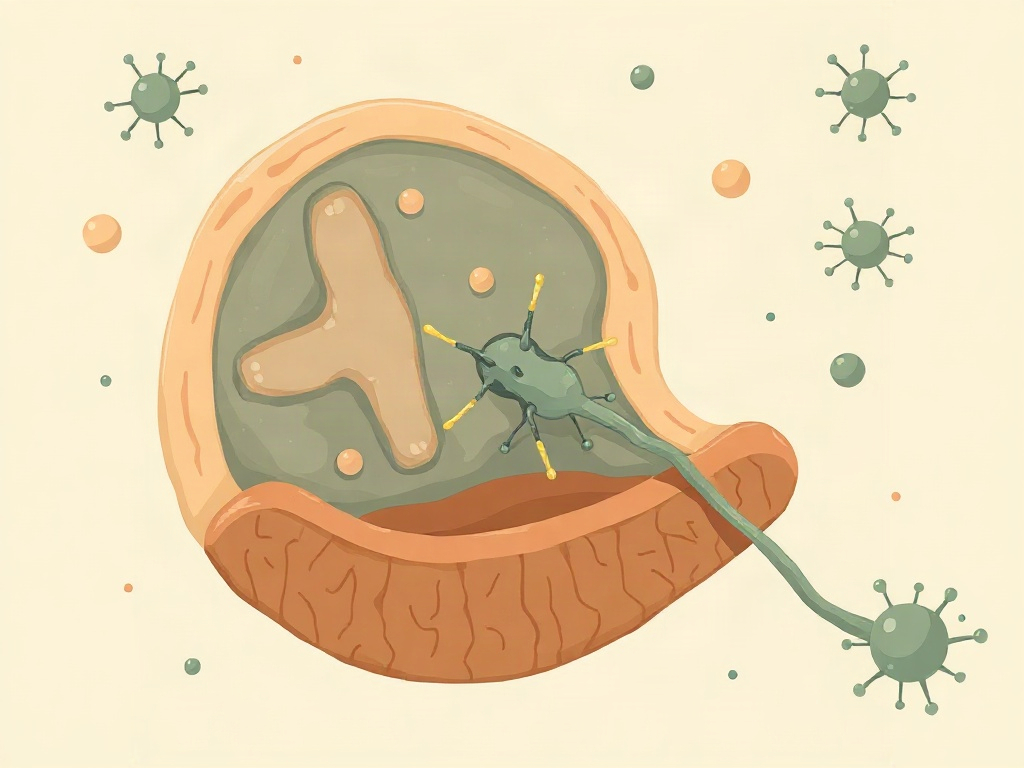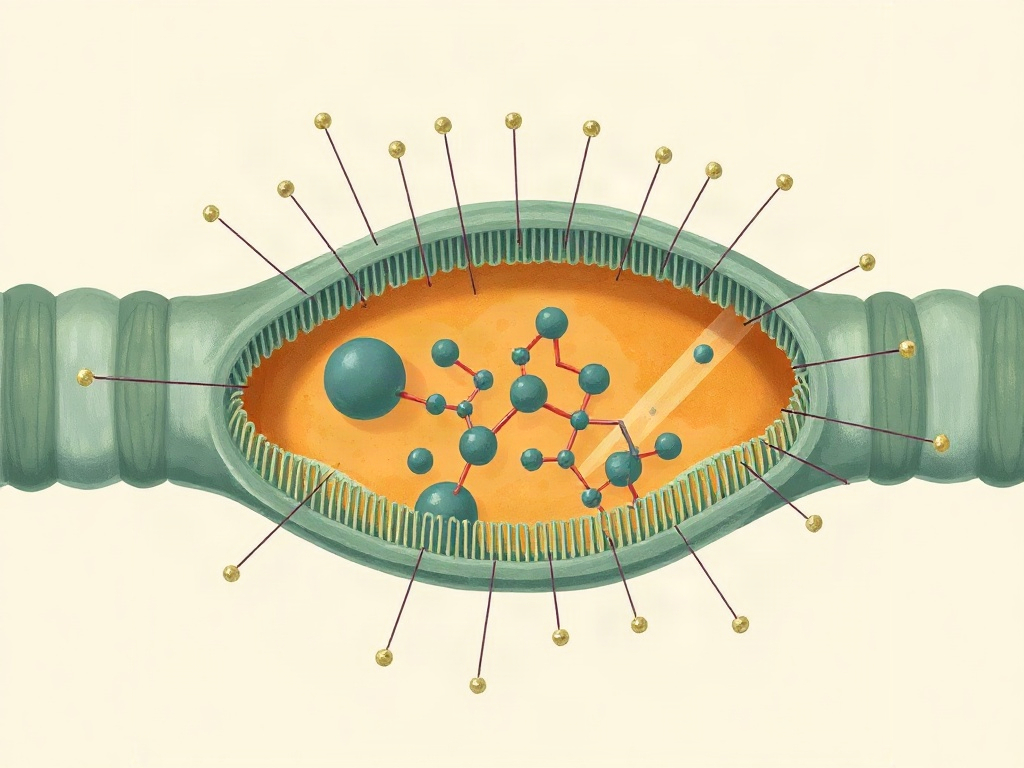
Understanding how cells detect nutrient availability and adjust growth accordingly sits at the heart of aging biology, cancer metabolism, and metabolic disease. A newly resolved molecular structure sheds light on an understudied membrane protein that appears to bridge cholesterol levels with one of the most consequential signaling hubs in human physiology — mTORC1.
Using cryo-electron microscopy, researchers determined the three-dimensional structure of transmembrane 6 superfamily member 1 (TM6SF1), revealing it as a lysosomal membrane protein. Critically, TM6SF1 was found to physically associate with LAMTOR1, a core component of the Ragulator complex — the molecular scaffold that anchors and activates mTORC1 on the lysosomal surface. This interaction was shown to be cholesterol-dependent, suggesting TM6SF1 may act as a cholesterol-sensitive regulatory node that modulates how the Ragulator complex communicates nutrient status to mTORC1. The mechanistic detail here — structural resolution paired with functional interaction mapping — elevates this beyond descriptive proteomics.
mTORC1 is already one of the most intensively studied longevity-relevant kinases; its inhibition by rapamycin extends lifespan across multiple model organisms, and dysregulated mTORC1 activity underlies type 2 diabetes, neurodegeneration, and certain cancers. The Ragulator complex is known to function as a guanine nucleotide exchange factor activating the Rag GTPases that recruit mTORC1 to the lysosome in response to amino acid sufficiency. Inserting cholesterol sensing into this pathway via TM6SF1 adds a lipid-sensing dimension to what was previously understood primarily as an amino acid–driven system. This is notable because cellular cholesterol homeostasis declines with age and varies substantially with diet. Key limitations apply: this is structural and cell-based mechanistic work, not a human clinical study, and TM6SF1's physiological role will need validation in vivo. Nevertheless, the finding is potentially paradigm-expanding — it may partly explain why lipid metabolism intersects so tightly with metabolic signaling in aging tissues.