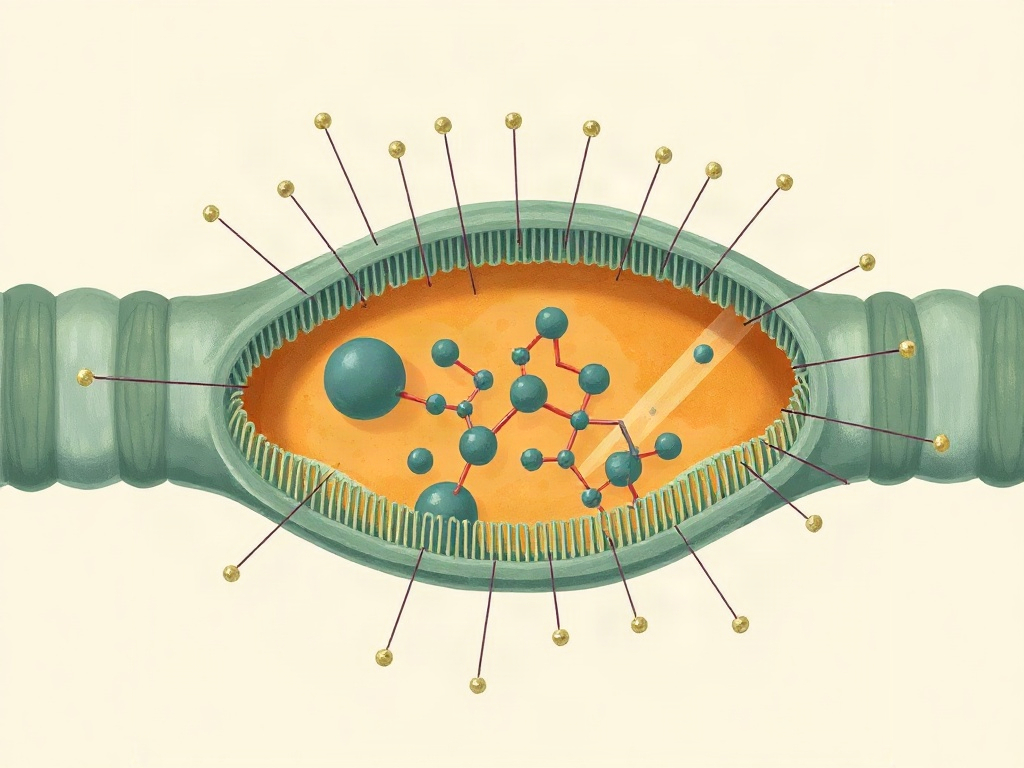
Senescent osteocytes, mesenchymal stem cells, osteoblasts, immune cells, and vascular endothelial cells collectively flood the aging bone microenvironment with pro-inflammatory cytokines, matrix metalloproteinases, and Wnt antagonists—most critically sclerostin. These secreted factors don't operate through novel pathways but instead amplify the same RANKL/OPG, Wnt/β-catenin, and NF-κB axes that classical osteoporosis triggers use, creating a locally sustained, chronically active pro-resorptive signal. Mouse studies confirm that clearing senescent cells pharmacologically prevents age-related bone loss, establishing the SASP as an independently targetable driver rather than mere bystander.
The mechanistic clarity here is genuinely useful. By demonstrating that senescence-derived signals converge on the same molecular axes as estrogen withdrawal or mechanical disuse, this framework explains why traditional antiresorptives like bisphosphonates and denosumab may yield diminishing returns with advancing age—they don't address the upstream senescent cell burden generating chronic RANKL stimulation. Senolytics such as dasatinib plus quercetin, already in human trials for other conditions, now have a compelling skeletal rationale. However, this is a review paper synthesizing existing evidence rather than reporting novel experimental data, limiting its immediate evidentiary weight. The mouse-to-human translation gap remains significant: murine skeletal biology differs in cortical remodeling dynamics. Biomarker validation for SASP burden in clinical settings is still nascent. For adults with osteoporosis risk, this analysis suggests future combination regimens pairing senolytics with current bone-protective agents represent a credible and underexplored therapeutic frontier.