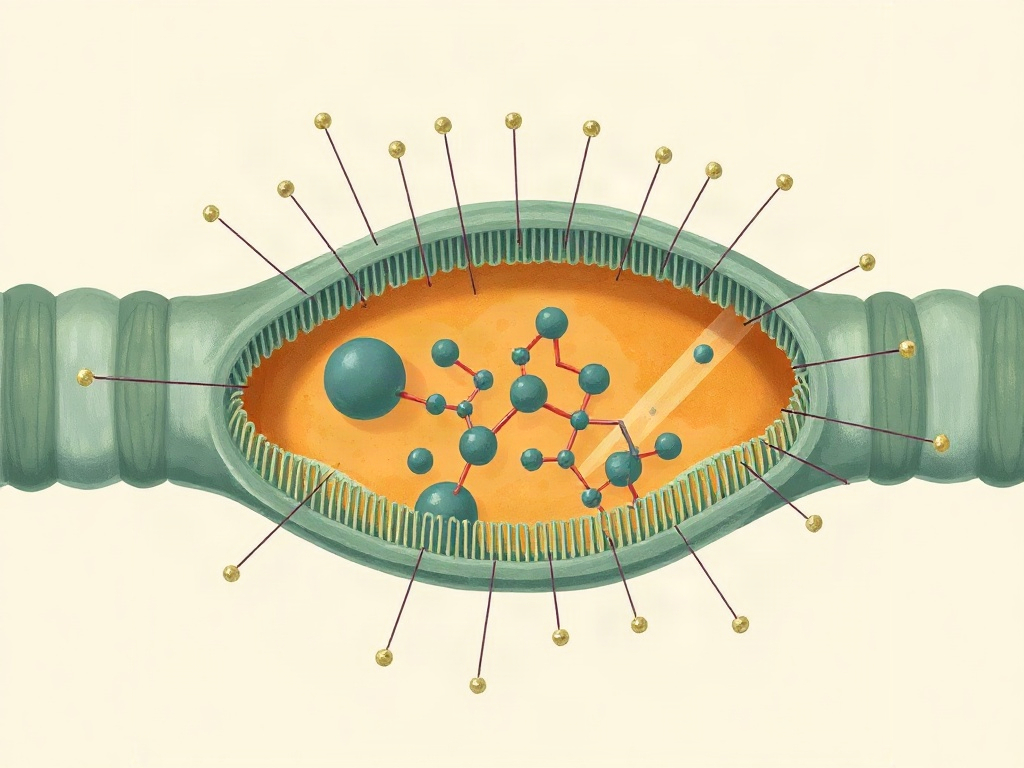
In esophageal squamous cell carcinoma (ESCC) patient cohorts, high intratumoral expression of fibrillarin (FBL), a nucleolar rRNA methyltransferase, correlated negatively with prognosis. Mechanistically, FBL physically binds SIRT1 and blocks its ubiquitin-proteasome degradation, thereby sustaining nicotinamide metabolism, maintaining redox homeostasis, and preventing cancer cells from entering senescence-driven cell cycle arrest. Both genetic deletion and pharmacological inhibition of FBL restored cellular senescence and sensitized ESCC to senolytic agents.
This finding inverts an intuitive assumption: SIRT1, widely celebrated in longevity research as a pro-survival deacetylase activated by NAD+ precursors like NMN and NR, here acts as a tumor-protective factor shielded by an oncogenic chaperone. It reinforces the growing recognition that senescence is a double-edged sword — a tumor-suppressive mechanism in normal tissue that cancers evolve elaborate strategies to circumvent. The FBL-SIRT1 connection is mechanistically novel; linking a nucleolar methyltransferase to ubiquitin-proteasome regulation of a major longevity enzyme adds unexpected depth to both cancer biology and SIRT1 regulation. For adults taking SIRT1-activating supplements, this work underscores the context-dependency of SIRT1 activity — beneficial in healthy aging tissue, potentially harmful when co-opted in malignancy. Limitations include the absence of in vivo senolytic efficacy data in humanized models and reliance on correlative patient cohort analyses for clinical claims. This is an incremental but mechanistically creative study that meaningfully advances the case for senolysis as an ESCC therapeutic strategy.