For millions living with persistent neurological and psychiatric symptoms after SARS-CoV-2 infection, the biological mechanisms driving cognitive fog and depression have remained frustratingly elusive. New structural brain imaging data now points to a specific anatomical structure — the choroid plexus — as a measurable neuroinflammatory target, offering a potential biomarker for distinguishing long COVID from full recovery.
In a three-group comparison involving 52 long COVID patients, 21 COVID-19 survivors, and 26 healthy controls, researchers quantified choroid plexus (ChP) volume through manual MRI segmentation and assessed white matter integrity using free water-corrected diffusion tensor imaging. Long COVID participants demonstrated significantly reduced ChP volume compared to other groups, alongside higher depression scores on the MADRS and lower cognitive performance on the MoCA. Critically, within the long COVID cohort, larger ChP volume correlated meaningfully with elevated IL-6 levels (r = 0.478, p = 0.005), suggesting an inverse relationship between structural atrophy and ongoing neuroinflammatory signaling. COVID-19 survivors, by contrast, showed ChP volume expansion at one-year follow-up relative to baseline — a trajectory absent in long COVID participants.
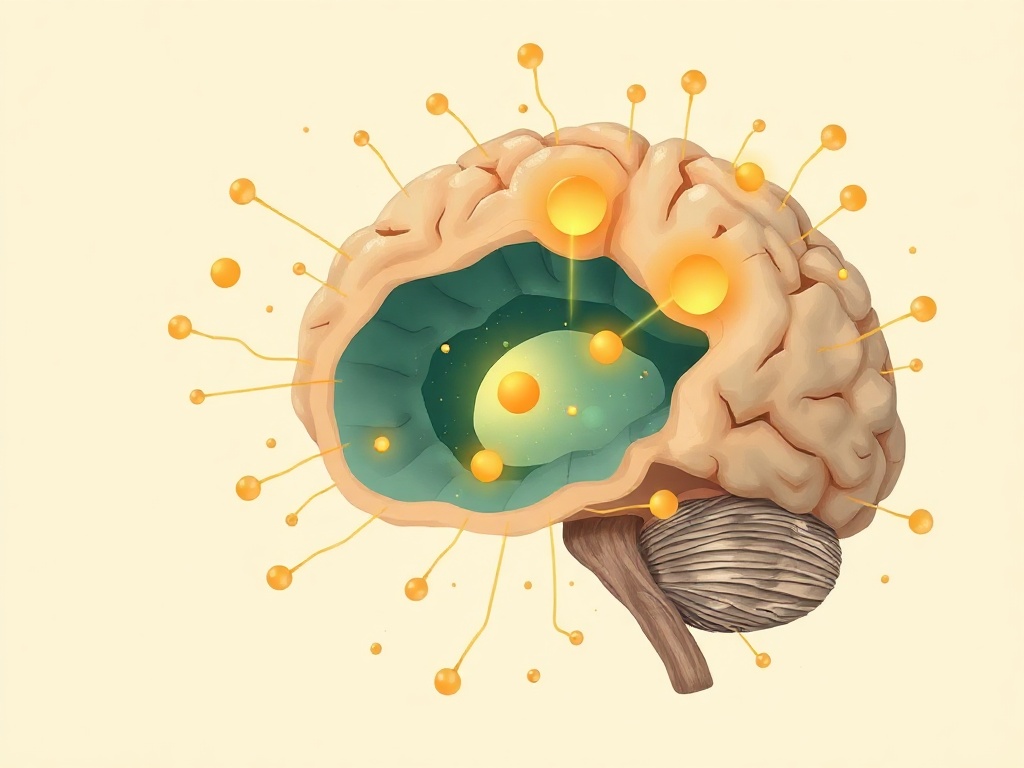
The choroid plexus sits at the blood-cerebrospinal fluid interface and plays a gatekeeper role for neuroinflammatory molecules. Prior autopsy and organoid studies have shown ACE-2 receptor expression in ChP epithelial cells, making it a plausible entry point for SARS-CoV-2-driven barrier disruption. This study adds longitudinal structural evidence to that mechanistic picture. The finding that ChP shrinkage persists over time in long COVID — while recovering in survivors — raises the possibility that ChP volume could serve as an imaging biomarker stratifying long COVID severity or treatment response. Limitations include a modest sample size, reliance on manual segmentation which introduces variability, and the cross-sectional nature of most comparisons. The role of ACE inhibitors and ARBs on ChP dynamics was examined but remains inconclusive at this scale. Overall, this is an incremental but directionally important finding that strengthens the case for targeting neuroinflammatory pathways in long COVID management.