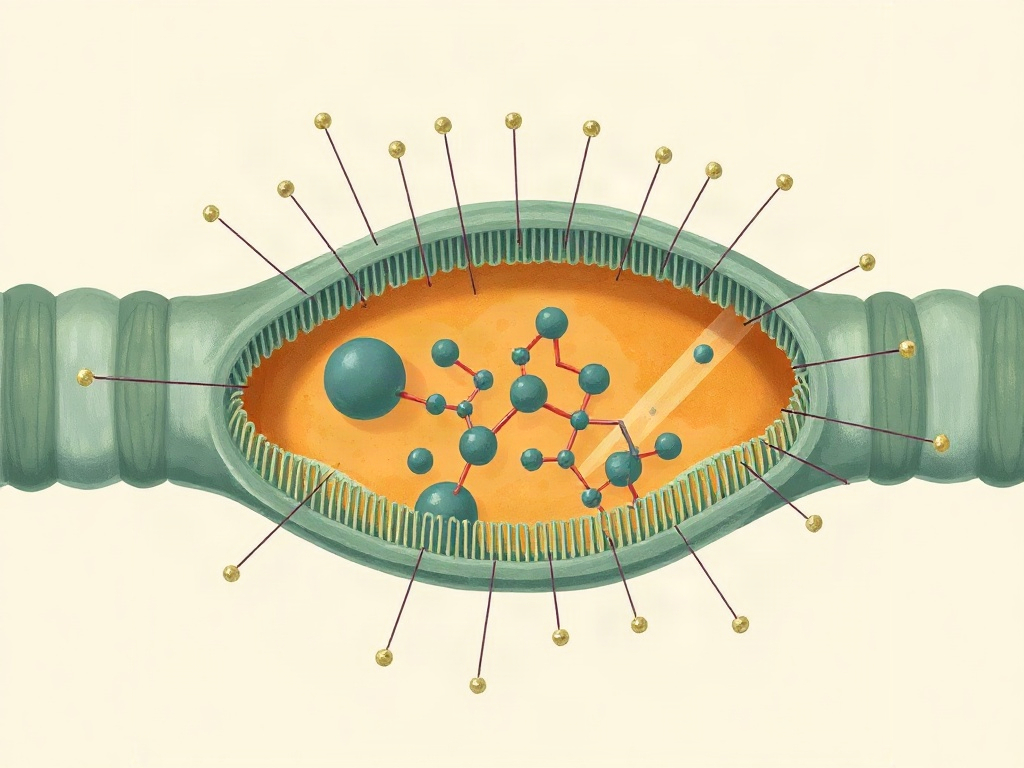
FMO1, an enzyme traditionally linked to drug metabolism, emerges as a key driver of cartilage cell aging and dysfunction. When upregulated, FMO1 generates reactive oxygen species within mitochondria, disrupting the balance between mitochondrial fusion and fission proteins (increasing Drp1 while decreasing Mfn1/2). This mitochondrial chaos triggers cellular senescence through p16/p21 pathways, leading to abnormal cartilage calcification and increased production of cartilage-degrading enzymes like MMP13. Blocking FMO1 or clearing senescent cells reversed these harmful effects. This discovery reframes our understanding of cartilage degeneration by connecting metabolic stress to cellular aging. The findings suggest arthritis and joint disorders may partially stem from metabolic dysfunction rather than purely mechanical wear. While FMO1 appears necessary for normal bone healing, its chronic activation becomes destructive. This presents an intriguing therapeutic target - modulating FMO1 activity could potentially slow cartilage aging without completely blocking beneficial bone repair processes. The research opens new avenues for treating osteoarthritis through metabolic intervention rather than traditional anti-inflammatory approaches.
FMO1 Enzyme Drives Cartilage Aging Through Mitochondrial ROS Mechanisms
Primary reference: Free radical biology & medicine · View source ↗
Informational, non-clinical synthesis informed by published research. Not a clinical guideline or medical advice. May contain errors or editorial interpretation. Consult the original source and your physician.