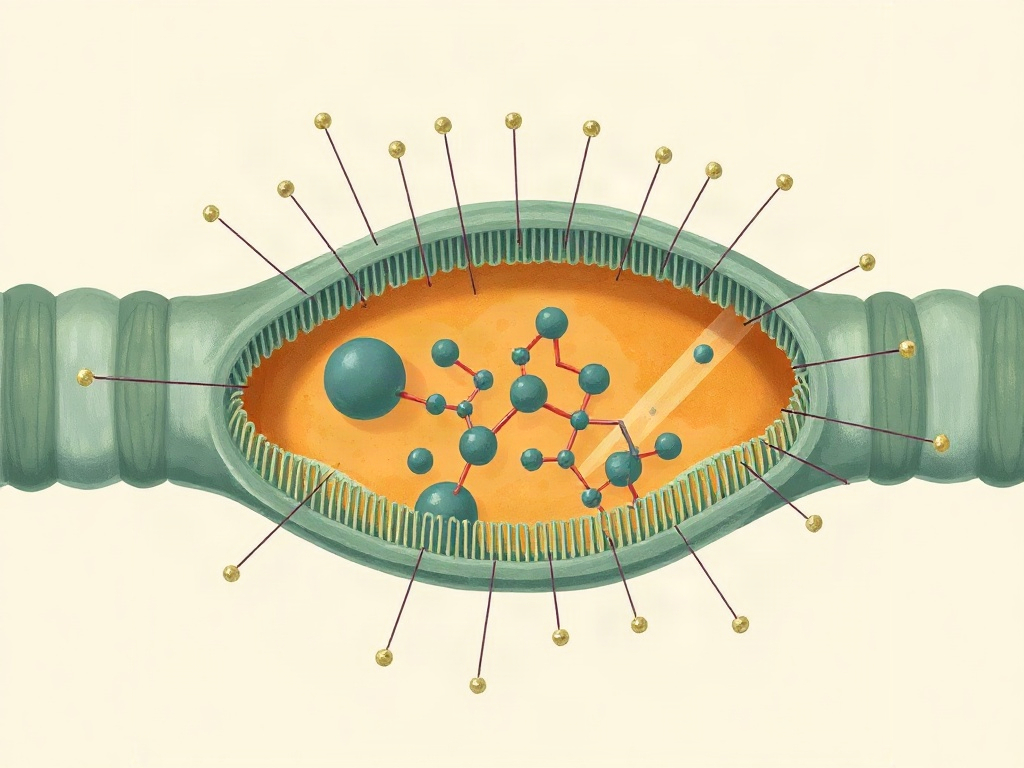
The ancient practice of fasting may hold keys to extending human healthspan through precisely orchestrated cellular maintenance programs. While religious and medical traditions have employed various forms of dietary restriction for millennia, modern molecular biology is revealing why temporary food scarcity triggers such profound anti-aging responses at the cellular level.
This comprehensive analysis identifies the core pathways activated when mammals reduce caloric intake: enhanced autophagy for cellular cleanup, elevated FGF21 hormone signaling, AMPK energy sensing, mTORC1 growth pathway suppression, and increased NAD+ availability for sirtuin enzymes. These interconnected systems appear to shift cellular priorities from growth and reproduction toward maintenance and repair. The review also examines how organismal changes—including reduced body temperature, fat loss, and metabolic flexibility—contribute to longevity benefits observed across species.
However, this Nature Aging analysis provides crucial balance by acknowledging dietary restriction's potential downsides: increased infection susceptibility and impaired wound healing during periods of reduced intake. These trade-offs suggest evolutionary programming where temporary scarcity triggers survival mode rather than permanent optimization. The practical implications for human longevity remain complex, as most supporting evidence comes from controlled laboratory studies rather than long-term human trials. While dietary restriction mimetics—compounds that activate these pathways without actual calorie reduction—show promise for capturing benefits while minimizing risks, translating these molecular insights into safe, effective interventions for human aging represents one of gerontology's most challenging frontiers. The field appears poised for significant advances as researchers better understand how to harness these ancient cellular programs.