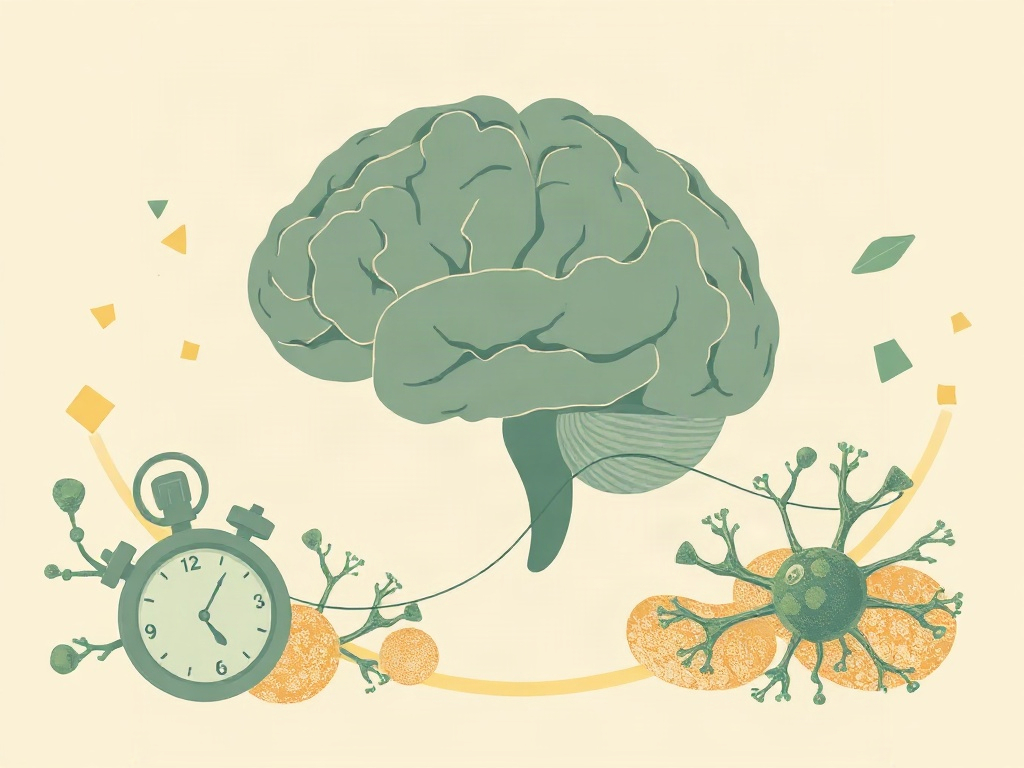
This comprehensive analysis identifies five key lifestyle interventions that collectively target Alzheimer's pathology through distinct but complementary molecular pathways. Exercise activates BDNF-TrkB signaling and releases neuroprotective myokines like CTSB and IGF-1. Mediterranean and ketogenic diets reduce amyloid-beta deposition while improving mitochondrial function. Intermittent fasting triggers autophagy through AMPK and SIRT3 activation, shifting metabolism toward protective ketone utilization. Quality sleep, particularly slow-wave phases, enhances glymphatic clearance of toxic proteins. Gut microbiome optimization produces beneficial short-chain fatty acids that modulate neuroinflammation. The multimodal approach represents a paradigm shift from single-intervention strategies toward comprehensive lifestyle medicine. While individual interventions show promise, the synergistic effects appear to exceed isolated benefits—a critical insight for prevention-focused neurology. However, significant gaps remain in understanding optimal dosing, personalized protocols for high-risk APOE4 carriers, and long-term efficacy across diverse populations. The framework's strength lies in targeting multiple pathological mechanisms simultaneously, but practical implementation requires standardized protocols and robust longitudinal validation before integration into clinical practice.
Multimodal Lifestyle Approach Activates BDNF, Autophagy Pathways Against Alzheimer's
Primary reference: Current Alzheimer research · View source ↗
Informational, non-clinical synthesis informed by published research. Not a clinical guideline or medical advice. May contain errors or editorial interpretation. Consult the original source and your physician.