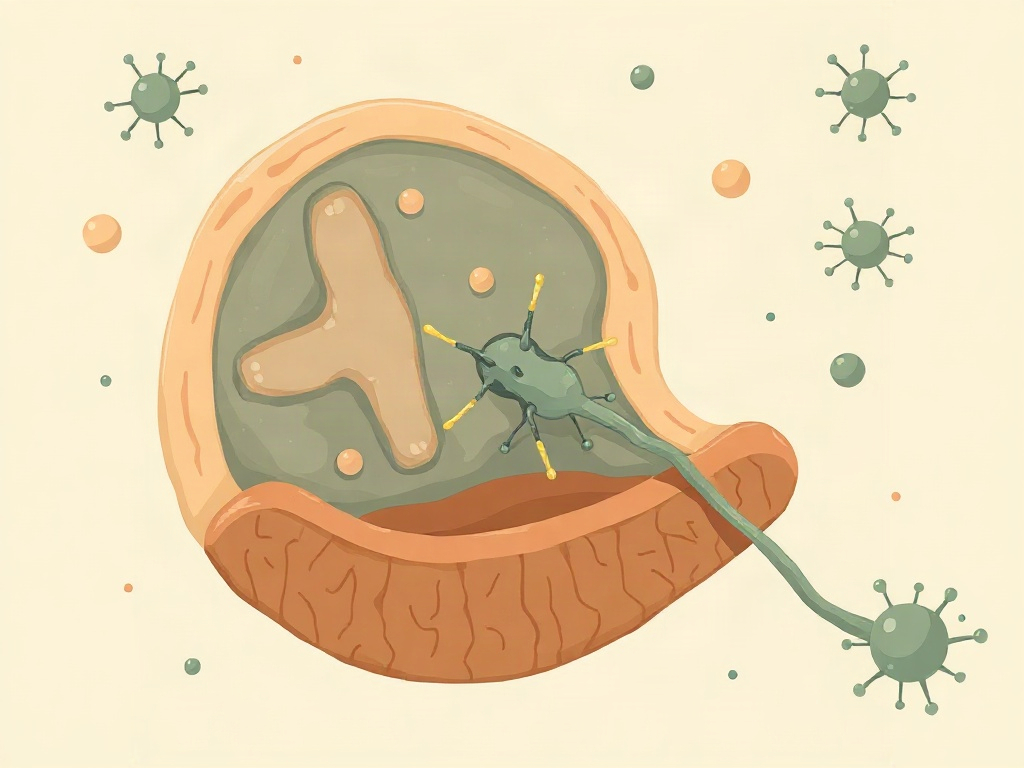
Kidney fibrosis represents one of the most challenging aspects of aging and chronic disease, affecting millions with hypertension who face progressive organ damage. This finding reveals a previously unrecognized cellular mechanism that could fundamentally alter how we approach kidney protection in aging adults.
The research demonstrates that reducing levels of CYFIP2 protein significantly prevents kidney fibrosis by blocking cellular senescence in tubular cells during hypertensive kidney disease. When CYFIP2 is deficient, kidney tubular cells maintain their youthful function rather than entering the senescent state that typically drives tissue scarring and organ dysfunction. This protective effect operates through preventing the cellular aging cascade that transforms healthy kidney tissue into fibrous scar tissue.
This discovery positions CYFIP2 as a novel therapeutic target in an area where current treatments remain largely ineffective. Kidney fibrosis affects nearly all forms of chronic kidney disease, which impacts over 37 million Americans and represents a leading cause of mortality in older adults. The senescence-fibrosis connection has emerged as a critical pathway in age-related organ dysfunction, with senescent cells secreting inflammatory factors that drive tissue remodeling and scarring.
While promising, this appears to be early-stage research that will require extensive validation in human studies. The complexity of manipulating protein levels therapeutically presents significant challenges, and the long-term effects of CYFIP2 modulation remain unknown. However, identifying senescence as a druggable target in kidney fibrosis represents a potentially paradigm-shifting approach that could extend healthspan by preserving organ function during the aging process.