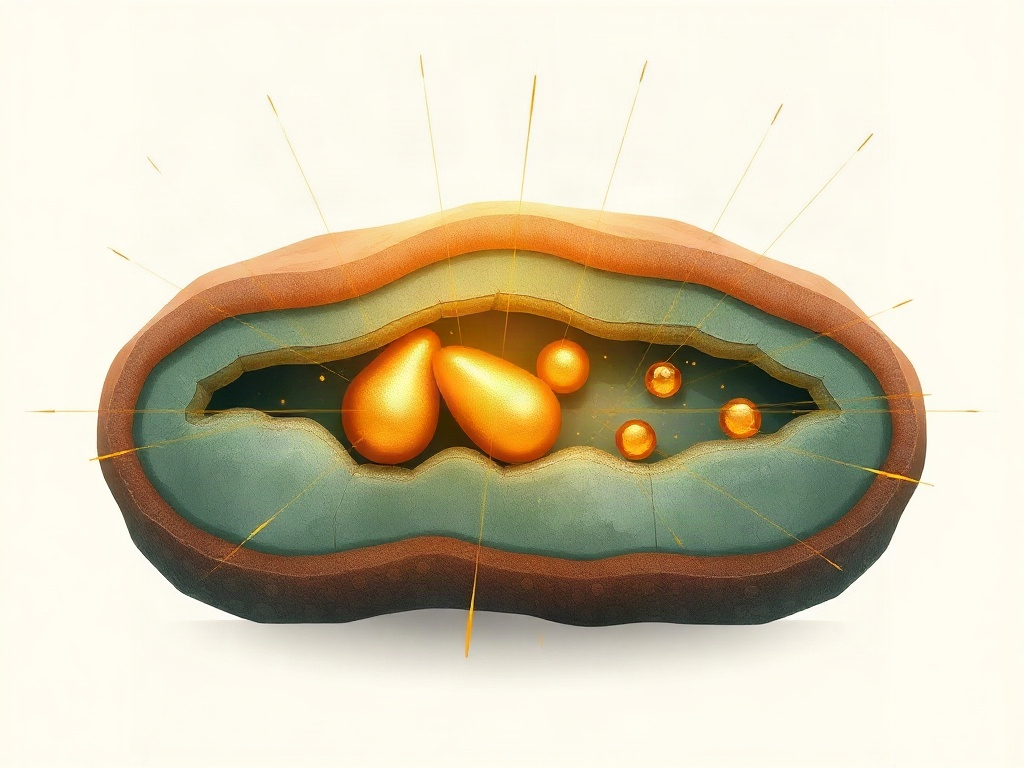
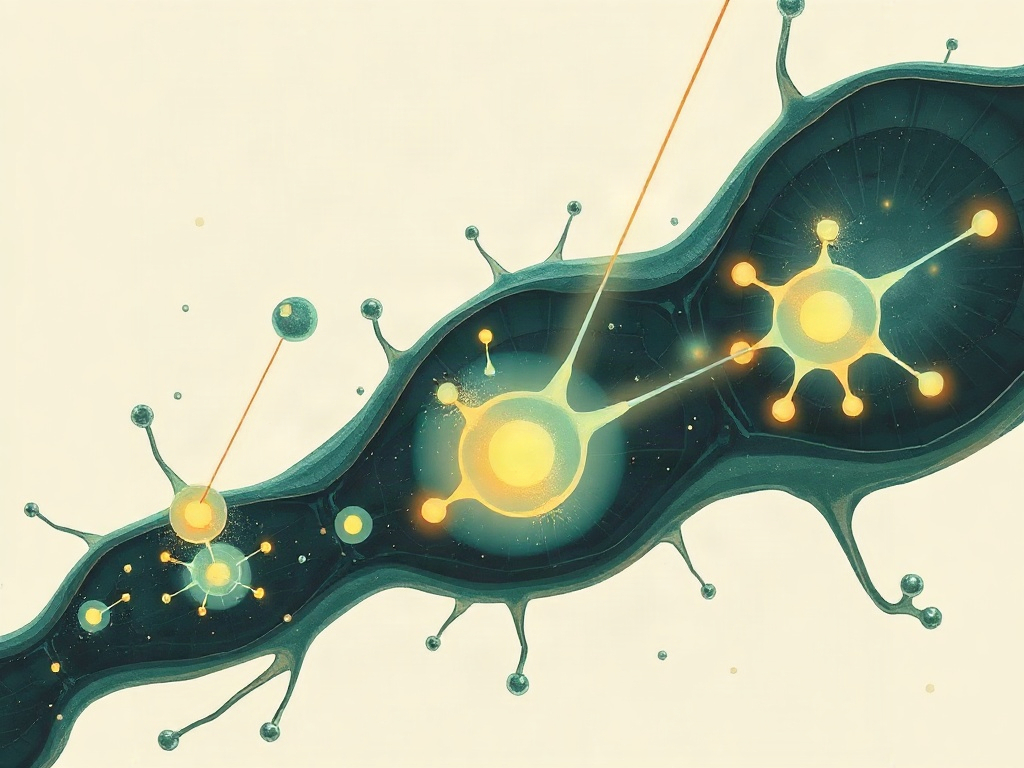
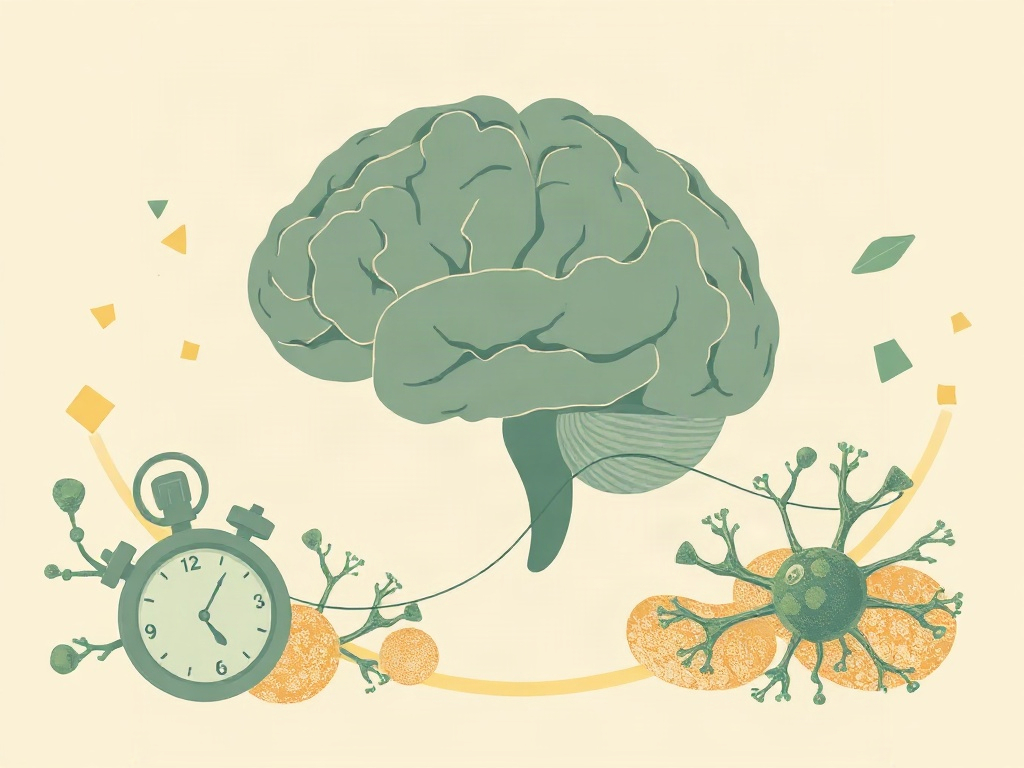
Cardiac fibroblasts release elevated levels of CCN1 protein in diabetic cardiomyopathy, which directly suppresses autophagy in heart muscle cells through integrin αvβ1 receptor binding and downstream PTK2/FAK-MTOR pathway activation. Fibroblast-specific CCN1 knockout mice showed restored cardiac function and autophagy activity, while molecular dynamics confirmed CCN1's cysteine-knot domain mediates this interaction. This represents a significant advance in understanding diabetic heart disease mechanisms, revealing how non-muscle cardiac cells sabotage the heart's cellular cleanup system. Autophagy is crucial for removing damaged proteins and organelles that accumulate during diabetes, and its suppression accelerates cardiac dysfunction. The discovery of this fibroblast-cardiomyocyte communication axis suggests that diabetic cardiomyopathy isn't just about metabolic damage to heart muscle cells directly, but involves coordinated dysfunction across multiple cardiac cell types. While the mouse model findings are promising, translating CCN1 inhibition to human therapy faces challenges including tissue-specific delivery and potential effects on normal wound healing where CCN1 plays beneficial roles. This work shifts focus from purely metabolic interventions toward targeting intercellular signaling networks in diabetic heart disease.
Cardiac Fibroblast CCN1 Protein Blocks Heart Cell Autophagy in Diabetes
Primary reference: Autophagy · View source ↗
Informational, non-clinical synthesis informed by published research. Not a clinical guideline or medical advice. May contain errors or editorial interpretation. Consult the original source and your physician.