Heart regeneration has remained one of medicine's most elusive goals, with adult human hearts essentially unable to repair themselves after damage. While zebrafish possess remarkable cardiac regenerative abilities, the precise molecular switches that initiate this process have been obscured by the speed at which they occur. This breakthrough reveals the crucial first steps happen within hours, not days or weeks as previously assumed.
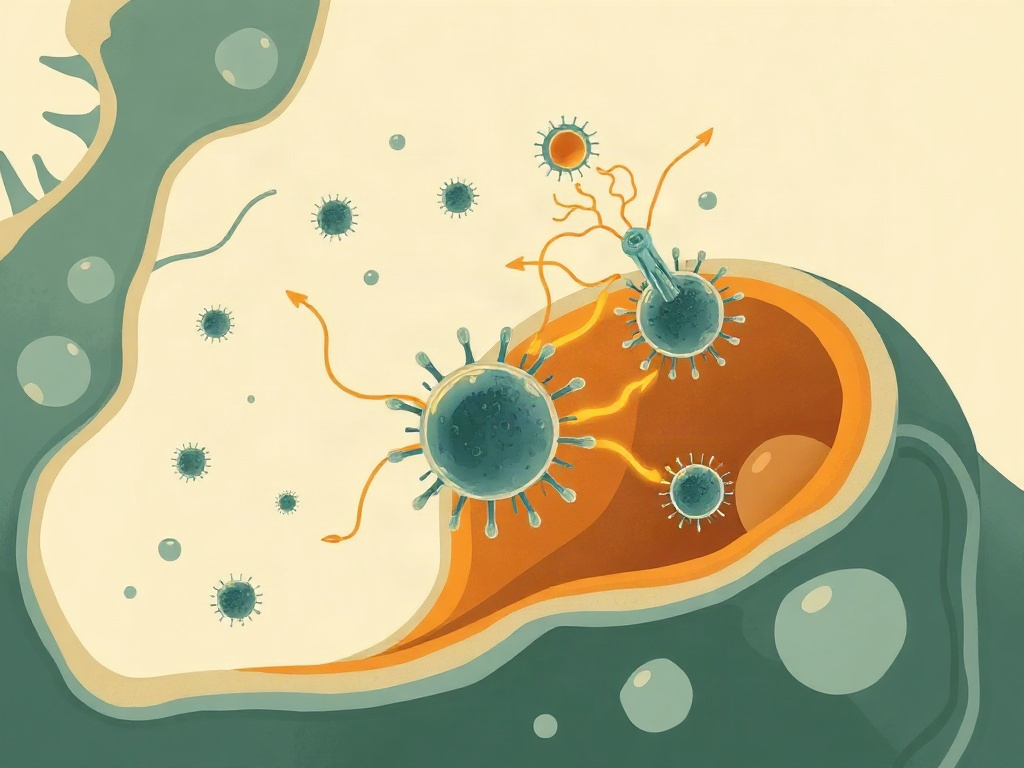
Using advanced RNA metabolic labeling technology, researchers captured gene expression changes in individual heart cells during the first six hours after cardiac injury. The technique revealed that specific macrophage immune cells rapidly activate Toll-like receptor signaling pathways, followed by neutrophil recruitment. When scientists selectively blocked the MyD88 adaptor protein in macrophages, they observed reduced inflammation at injury sites and enhanced early regenerative markers.
This finding fundamentally reframes our understanding of cardiac repair. Rather than regeneration being hindered by immune responses, as often occurs in mammals, the zebrafish heart appears to harness precise immune activation as a regenerative trigger. The discovery suggests that the timing and type of inflammatory response, not inflammation itself, determines whether tissue damage leads to scarring or renewal. For human cardiac medicine, this points toward potential interventions that could reprogram our immune systems to support rather than impede heart repair. However, translating these mechanisms from zebrafish to humans remains challenging, given the fundamental differences in mammalian cardiac biology. The single-cell resolution approach itself represents a significant methodological advance for studying rapid biological responses in living organisms.