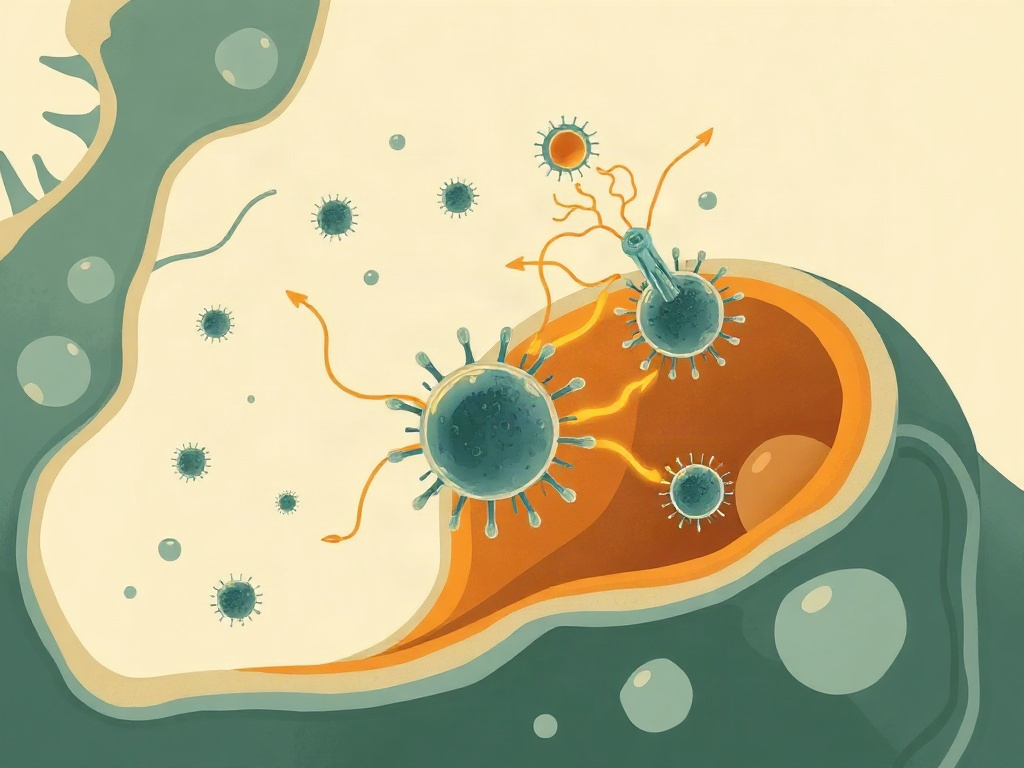
Spermine oxidase (SMOX) converts spermine into spermidine, potentially creating a crucial enzymatic pathway for maintaining muscle mass through enhanced autophagy. This enzyme maintains expression in healthy muscle but declines during muscle atrophy, suggesting it serves as a protective mechanism against sarcopenia. The conversion generates spermidine, a polyamine already known for its longevity benefits and autophagy enhancement. This enzymatic relationship represents a previously underappreciated mechanism linking polyamine metabolism directly to muscle preservation. The finding bridges exercise physiology with cellular aging research, as both exercise and spermidine independently promote autophagy—the cellular housekeeping process that removes damaged proteins and organelles. For aging adults, this suggests that maintaining SMOX activity could be therapeutic for sarcopenia prevention. The research indicates that declining SMOX expression may be both a biomarker and a causal factor in age-related muscle loss. While spermidine supplementation has gained attention for longevity, this work suggests that supporting the body's endogenous spermidine production through SMOX preservation might be equally important. However, this appears to be a review synthesizing existing evidence rather than presenting novel experimental data.
SMOX Enzyme Converts Spermine to Spermidine, Supporting Muscle Autophagy
Primary reference: Mechanisms of ageing and development · View source ↗
Informational, non-clinical synthesis informed by published research. Not a clinical guideline or medical advice. May contain errors or editorial interpretation. Consult the original source and your physician.