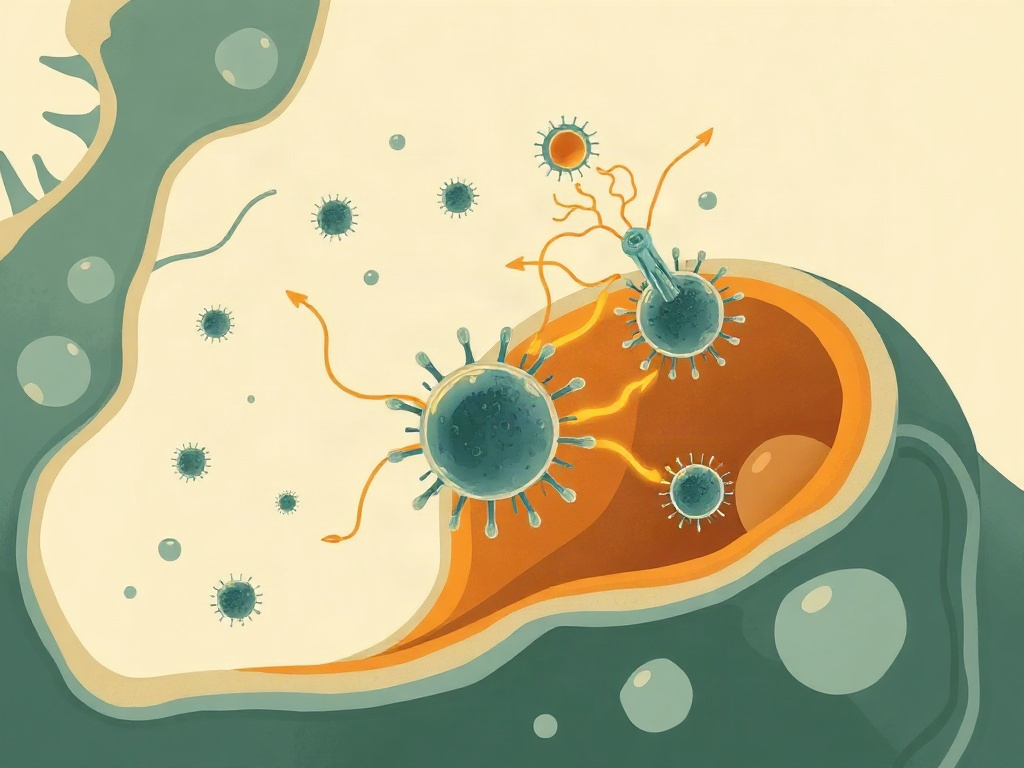
Uterine leiomyomas contain elevated levels of senescent cells marked by SA-β-galactosidase activity, p16/p21 protein accumulation, and shortened telomeres. These dormant cells perpetuate fibroid growth through dysregulated AKT and p14ARF-TP53-p21 signaling pathways, with HMGA2 and MED12 genes controlling the balance between proliferation and growth arrest. This cellular senescence paradigm transforms our understanding of fibroids from simple benign tumors to complex senescence-driven masses. The finding opens compelling therapeutic avenues through senolytic drugs that eliminate senescent cells and senomorphic agents that suppress their inflammatory secretions. Given that fibroids affect up to 80% of women and often require invasive surgery, senescence-targeted therapies could revolutionize treatment. However, this systematic review reveals critical knowledge gaps in the specific mechanisms triggering senescence in uterine tissue. The approach remains largely theoretical, with minimal clinical data supporting senolytic efficacy. While conceptually promising, translating cellular senescence insights into practical fibroid treatments requires extensive human trials to validate safety and effectiveness.
Senescent Cells Emerge as Key Driver of Uterine Fibroids Through AKT and p53 Pathways
Primary reference: Reproductive sciences (Thousand Oaks, Calif.) · View source ↗
Informational, non-clinical synthesis informed by published research. Not a clinical guideline or medical advice. May contain errors or editorial interpretation. Consult the original source and your physician.