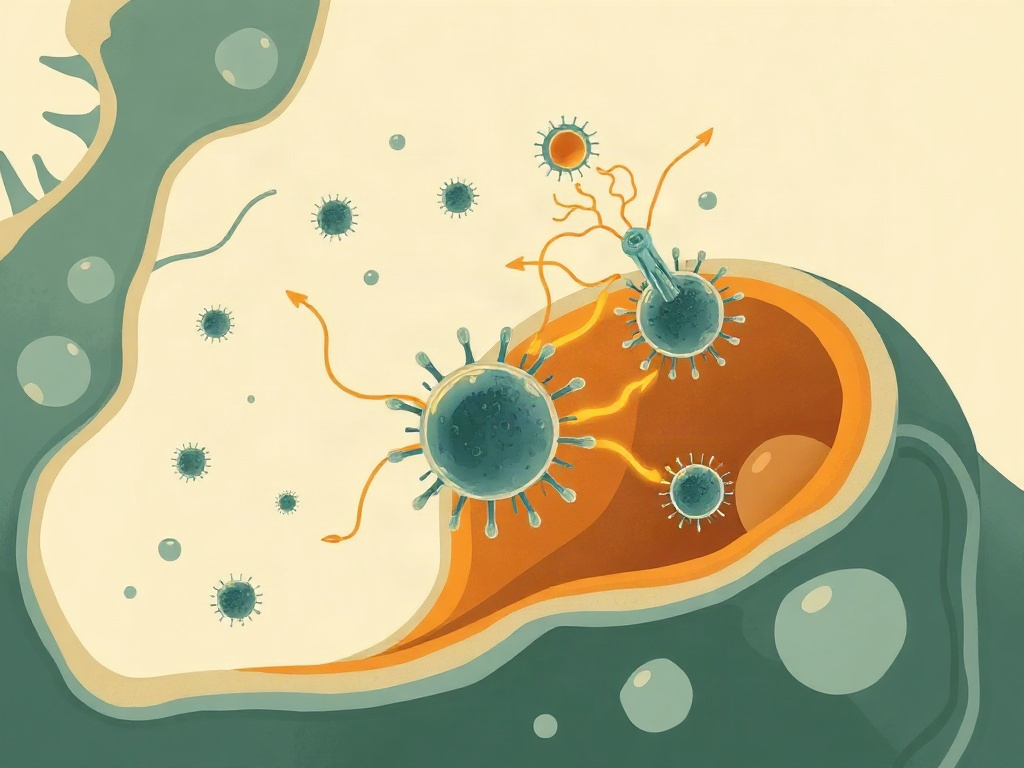
Four interconnected molecular pathways orchestrate age-related vision loss: oxidative stress accumulating reactive oxygen species, senescence-associated secretory phenotype inflammatory cascades, autophagic flux dysfunction, and epigenetic remodeling aberrations. These mechanisms drive common blinding conditions including age-related macular degeneration, cataracts, and dry eye disease. This comprehensive framework represents a significant advancement in understanding ocular aging biology. The eye's unique anatomy makes it particularly vulnerable to these aging hallmarks, yet also accessible for targeted interventions. The integration of gene-editing technologies, senolytic agents that clear senescent cells, and stem cell therapies offers unprecedented therapeutic potential. AI-assisted retinal imaging for early detection could enable intervention before irreversible damage occurs. However, the challenge lies in tissue-selective drug delivery to reach specific ocular compartments effectively. The emphasis on methylation signatures as aging biomarkers could revolutionize how we monitor and predict visual decline. This research positions precision medicine approaches as transformative for the 2.2 billion people globally affected by vision impairment, moving beyond symptomatic treatment toward addressing root biological causes of ocular aging.
Review Identifies Four Key Molecular Pathways in Eye Aging Linked to Vision Loss Conditions, Gene Editing Among Promising Interventions
Primary reference: Biogerontology · View source ↗
Informational, non-clinical synthesis informed by published research. Not a clinical guideline or medical advice. May contain errors or editorial interpretation. Consult the original source and your physician.