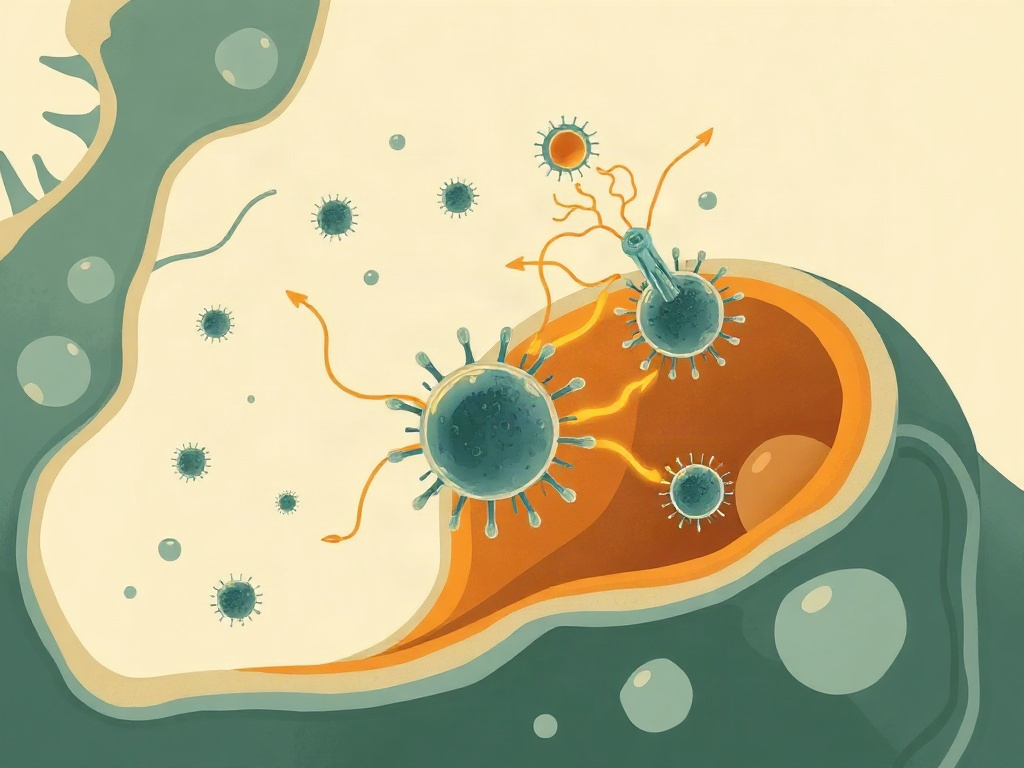
Seven distinct biological mechanisms drive vascular aging: cellular senescence, chronic inflammation, loss of proteostasis, mitochondrial dysfunction, genomic instability, epigenetic remodeling, and stem cell exhaustion. These processes converge to cause arterial stiffening, impaired barrier integrity, and dysregulated blood vessel control—changes that ripple across multiple organ systems. This comprehensive mechanistic framework represents a significant advancement in understanding how vascular decline drives systemic aging. The identification of seven interconnected pathways offers unprecedented therapeutic opportunities, particularly through senolytic drugs that clear damaged cells and mitochondrial interventions that restore cellular energy production. The organ-specific nature of vascular aging, revealed through single-cell analysis, suggests personalized approaches may be more effective than broad interventions. While the therapeutic potential is compelling, translating these mechanisms into clinical practice remains challenging given the complex interactions between pathways. This framework shifts vascular aging from an inevitable consequence of time to a potentially modifiable process, positioning blood vessel health as a central lever for extending health span rather than merely treating cardiovascular disease.
Vascular Aging Mechanisms Target Health Span Through Seven Biological Pathways
Primary reference: Circulation · View source ↗
Informational, non-clinical synthesis informed by published research. Not a clinical guideline or medical advice. May contain errors or editorial interpretation. Consult the original source and your physician.