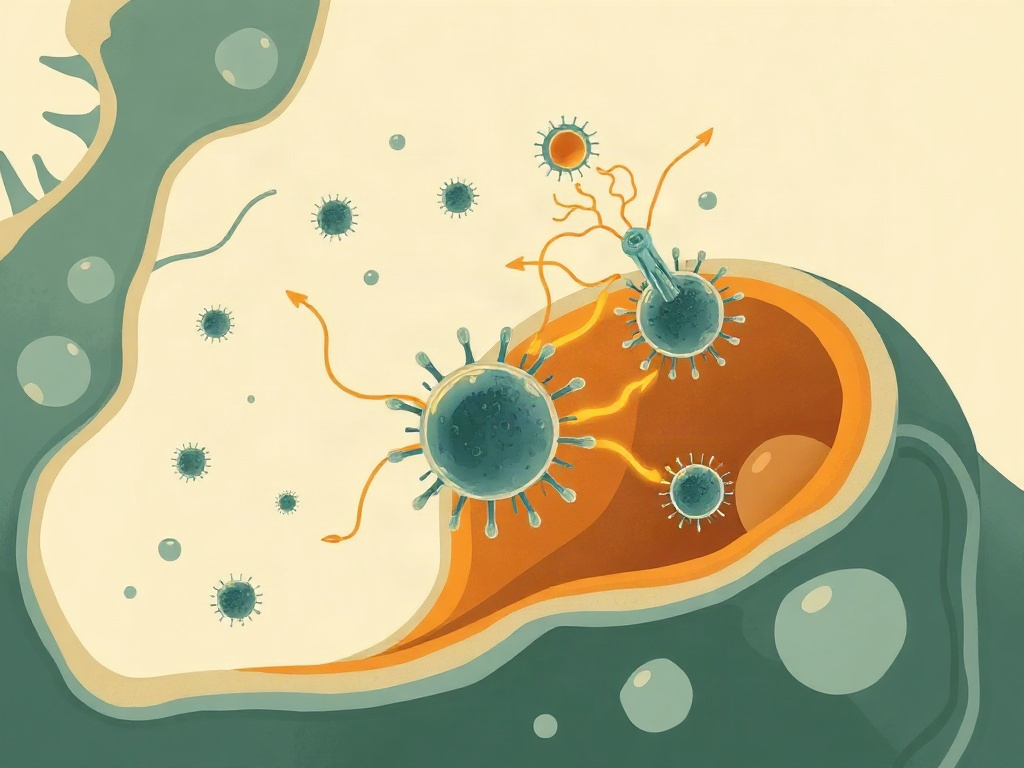
Immune system aging operates through four distinct but interconnected mechanisms that create a self-perpetuating cycle of dysfunction: lymphoid organ shrinkage, bone marrow bias toward inflammatory immune cells, accumulation of zombie-like senescent cells that evade immune clearance, and metabolic-epigenetic changes that lock cells into damaged states. This comprehensive framework reveals how these nodes amplify each other, spreading pathology across neurological, cancer, musculoskeletal, and gut health systems. The paradigm shift from merely describing immune aging to targeting its specific mechanisms opens unprecedented therapeutic possibilities. Senotherapeutics could sensitize senescent cells for removal, stem cell and thymic rejuvenation could restore healthy lymphocyte production, and metabolic-epigenetic interventions could reverse cellular dysfunction. Rather than broadly suppressing immunity—which leaves older adults vulnerable to infections—precision combinations targeting these four nodes could preserve protective immunity while eliminating inflammatory drivers. This represents a fundamental departure from current geriatric care, potentially extending healthspan by addressing immune aging's root mechanisms rather than managing its downstream consequences.
Four Interconnected Mechanisms Drive Immune Aging Into Chronic Inflammation
Primary reference: The journals of gerontology. Series A, Biological sciences and medical sciences · View source ↗
Informational, non-clinical synthesis informed by published research. Not a clinical guideline or medical advice. May contain errors or editorial interpretation. Consult the original source and your physician.