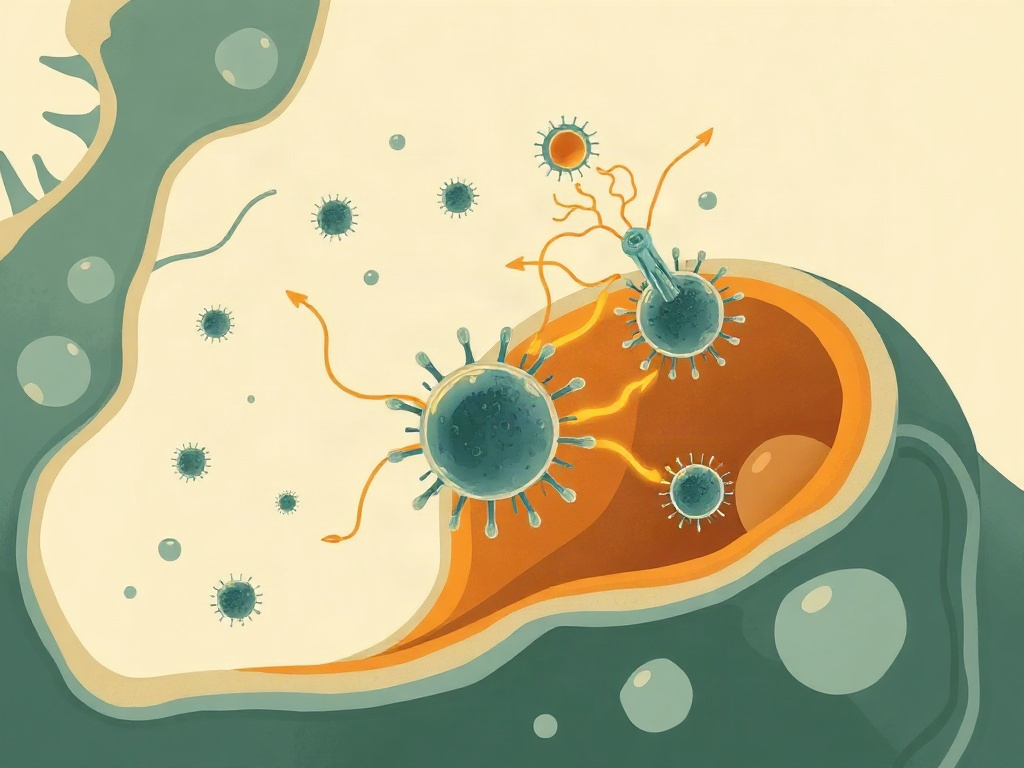
Cellular recycling mechanisms may be more critical to muscle health than previously understood, particularly for individuals carrying genetic variants affecting protein quality control. When these autophagy pathways fail, the consequences extend far beyond simple weakness to fundamental muscle architecture breakdown. A single amino acid substitution in the BAG3 protein—replacing proline with leucine at position 209—creates a cascade of muscle destruction that reduces contractile force by approximately 90%. This dramatic functional decline stems from the mutant protein's inability to properly coordinate cellular cleanup processes, leading to toxic protein accumulations and sarcomere disintegration. The transgenic mouse model revealed that BAG3P209L disrupts multiple interconnected pathways simultaneously: protein synthesis falters, autophagy stalls, mitochondrial recycling fails, and structural proteins disappear from muscle fibers. Importantly, targeted gene therapy that reduced mutant BAG3 levels restored significant muscle function, suggesting the damage isn't irreversible. This research illuminates autophagy as a central pillar of muscle maintenance rather than a peripheral housekeeping function. The findings have immediate relevance for understanding age-related muscle loss, where autophagy efficiency naturally declines. Adults focused on preserving muscle mass through their later decades should consider that supporting cellular cleanup mechanisms—through strategies like intermittent fasting, exercise, or targeted compounds—may prove as important as protein intake or resistance training. The work also suggests that seemingly healthy individuals with BAG3 variants might benefit from early interventions targeting autophagy enhancement, potentially preventing the severe weakness that characterizes this rare but devastating condition.
Autophagy Blockage Drives ~90% Muscle Force Loss in Mouse Model of Rare Myopathy 6
Primary reference: Nature communications · View source ↗
Informational, non-clinical synthesis informed by published research. Not a clinical guideline or medical advice. May contain errors or editorial interpretation. Consult the original source and your physician.