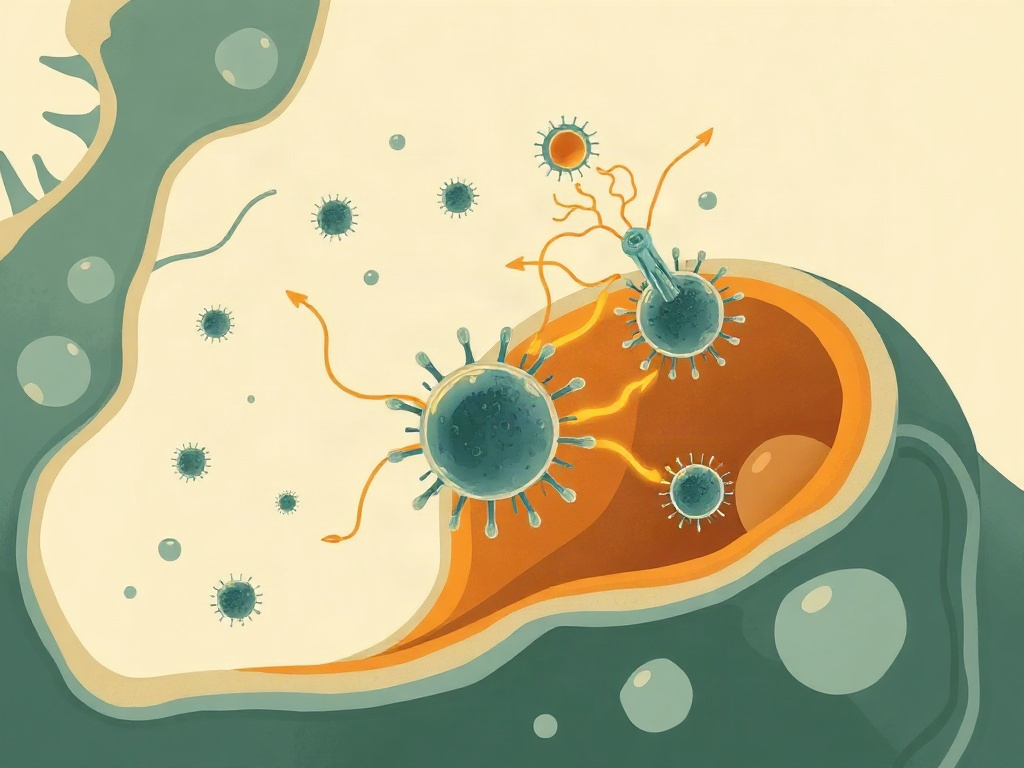
A CRISPR screen revealed that the transcription factor TFAP2C rescues cells from death when the prion-limiting protein hnRNP K is depleted, while connecting both factors to mTORC1 metabolic signaling. When hnRNP K was removed, cells experienced ATP depletion and disrupted glucose/lipid metabolism, but co-deleting TFAP2C restored energy balance and cellular survival. The researchers demonstrated that hnRNP K depletion inhibits mTORC1 activity by downregulating mTOR and Rptor proteins, while TFAP2C overexpression enhances mTORC1 function. This metabolic control directly impacts prion disease progression. The discovery establishes mTORC1 as a central hub where cellular metabolism intersects with protein misfolding diseases. Given mTORC1's established role in aging and longevity, this finding suggests metabolic interventions targeting this pathway might influence neurodegenerative disease susceptibility. The work is particularly significant because it moves beyond descriptive prion research toward mechanistic understanding of how cellular energy status affects protein aggregation diseases. However, the research remains in cell culture models, requiring validation in animal systems and human patients to assess therapeutic potential for prion diseases and related neurodegenerative conditions.
mTORC1 Complex Controls Prion Disease Through hnRNP K-TFAP2C Network
Primary reference: PLoS pathogens · View source ↗
Informational, non-clinical synthesis informed by published research. Not a clinical guideline or medical advice. May contain errors or editorial interpretation. Consult the original source and your physician.