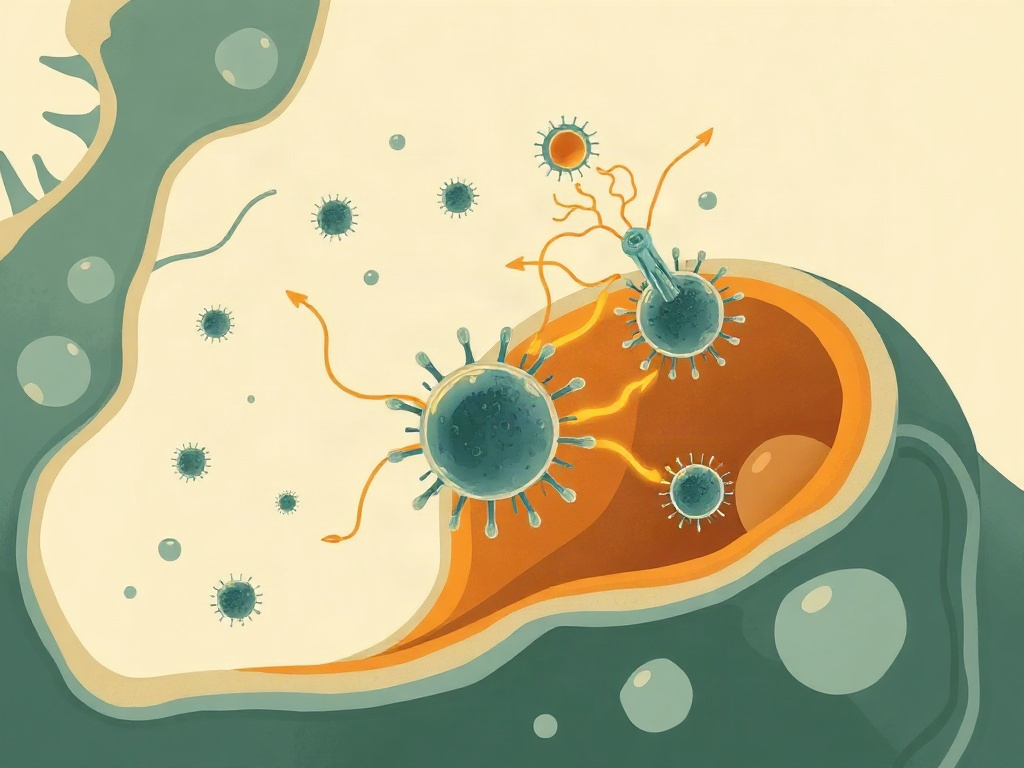
Centenarians achieve exceptional longevity by maintaining immune systems that function remarkably like those of much younger individuals, particularly through suppressed NLRP3 inflammasome activation, enhanced cellular autophagy, and reduced inflammatory secretions from senescent cells. Semi-supercentenarians (105-109 years) and supercentenarians (110+ years) demonstrate the most striking preservation of immune function despite their extreme age. This immune preservation represents a fundamental departure from typical aging patterns, where chronic inflammation and immune decline drive age-related diseases. The findings illuminate why centenarians often avoid or delay major diseases that affect most aging populations. From a practical standpoint, these mechanisms offer concrete targets for healthspan extension strategies. The NLRP3 inflammasome pathway, already modifiable through certain compounds and lifestyle interventions, emerges as particularly promising. However, the observational nature of centenarian studies limits causal understanding—we cannot determine whether superior immune function enables longevity or results from it. Still, the convergent evidence across multiple immune compartments and omics signatures suggests these represent genuine biological adaptations rather than mere correlations, marking this as potentially paradigm-shifting research for aging interventions.
Centenarians, Especially Supercentenarians, Show Youth-Like Immune Profiles Potentially Linked to Reduced NLRP3 Inflammasome Activation
Primary reference: Nature reviews. Immunology · View source ↗
Informational, non-clinical synthesis informed by published research. Not a clinical guideline or medical advice. May contain errors or editorial interpretation. Consult the original source and your physician.