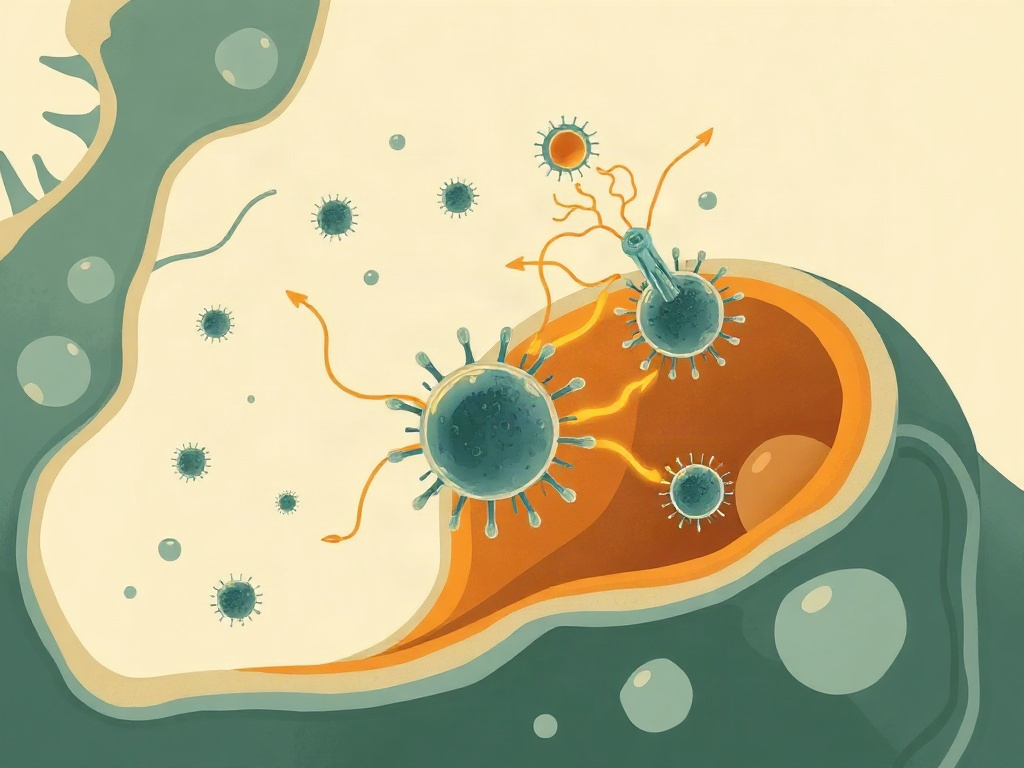
Co-fermented feed enriched with Limosilactobacillus reuteri created a remarkable microbial transmission pathway from the cecum to oviduct to ovaries in laying hens, enhancing egg production by 15% while improving shell strength and reducing feed conversion ratios. The probiotic upregulated key ovarian genes including FSHR, AMH, and antioxidant enzymes like SOD1 and catalase, while reducing apoptotic markers Caspase-3 and Caspase-8. This represents the first documented evidence of a gut-ovary microbial axis influencing reproductive aging. The implications extend far beyond poultry science. The gut microbiome's direct influence on ovarian function suggests similar mechanisms may operate in human reproductive health, particularly relevant as women delay childbearing and face age-related fertility decline. L. reuteri is already available as a human probiotic supplement, though this hen study used specialized fermented feed delivery. The microbial transmission route—from intestine to reproductive organs—challenges conventional thinking about how gut bacteria influence distant organ systems. While promising, the leap from avian to human reproductive physiology requires cautious interpretation. The study's strength lies in demonstrating clear mechanistic pathways, but translating optimal dosing and delivery methods to human reproductive health would need extensive clinical validation.
Limosilactobacillus reuteri delays ovarian aging via gut-ovary microbial transmission
Primary reference: Microbiome · View source ↗
Informational, non-clinical synthesis informed by published research. Not a clinical guideline or medical advice. May contain errors or editorial interpretation. Consult the original source and your physician.