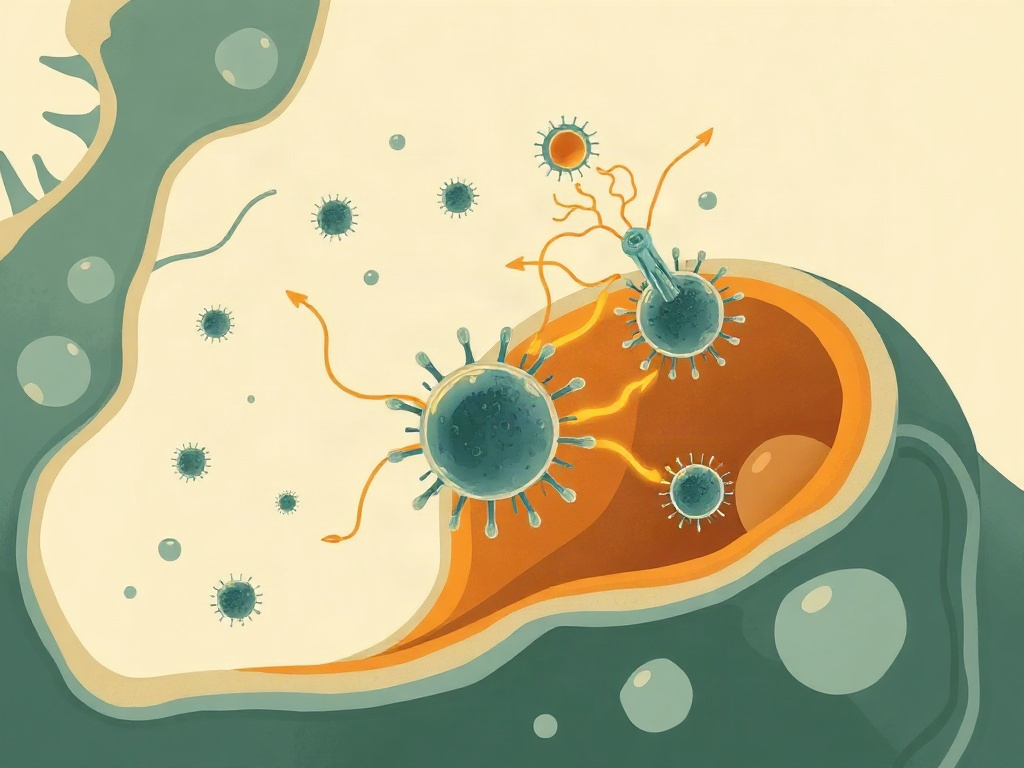
Hyperglycemia and lipotoxicity trigger premature senescence in endothelial cells, vascular smooth muscle cells, and macrophages through oxidative stress, mitochondrial dysfunction, and NLRP3 inflammasome activation. These senescent cells release a senescence-associated secretory phenotype (SASP) that amplifies chronic vascular inflammation, destabilizes arterial plaques, and spreads senescence systemically to heart, brain, and kidneys. This mechanistic insight represents a significant conceptual advance in understanding why diabetic atherosclerosis often progresses despite optimal glucose and lipid control. The senescence cascade explains the multi-organ dysfunction characteristic of advanced diabetes, moving beyond traditional metabolic and inflammatory models to aging biology. The therapeutic implications are particularly compelling, as senolytic drugs that selectively eliminate senescent cells and senomorphic compounds that suppress SASP could address root causes rather than downstream effects. Early-stage senolytics like dasatinib plus quercetin have shown promise in small trials, though large-scale cardiovascular outcome studies remain pending. This framework positions diabetic atherosclerosis as a form of accelerated vascular aging, potentially explaining why intensive metabolic control often fails to prevent macrovascular complications and opening new therapeutic avenues targeting the aging process itself.
NLRP3 Inflammasome Drives Diabetic Atherosclerosis Through Cellular Senescence Cascade
Primary reference: Aging and disease · View source ↗
Informational, non-clinical synthesis informed by published research. Not a clinical guideline or medical advice. May contain errors or editorial interpretation. Consult the original source and your physician.