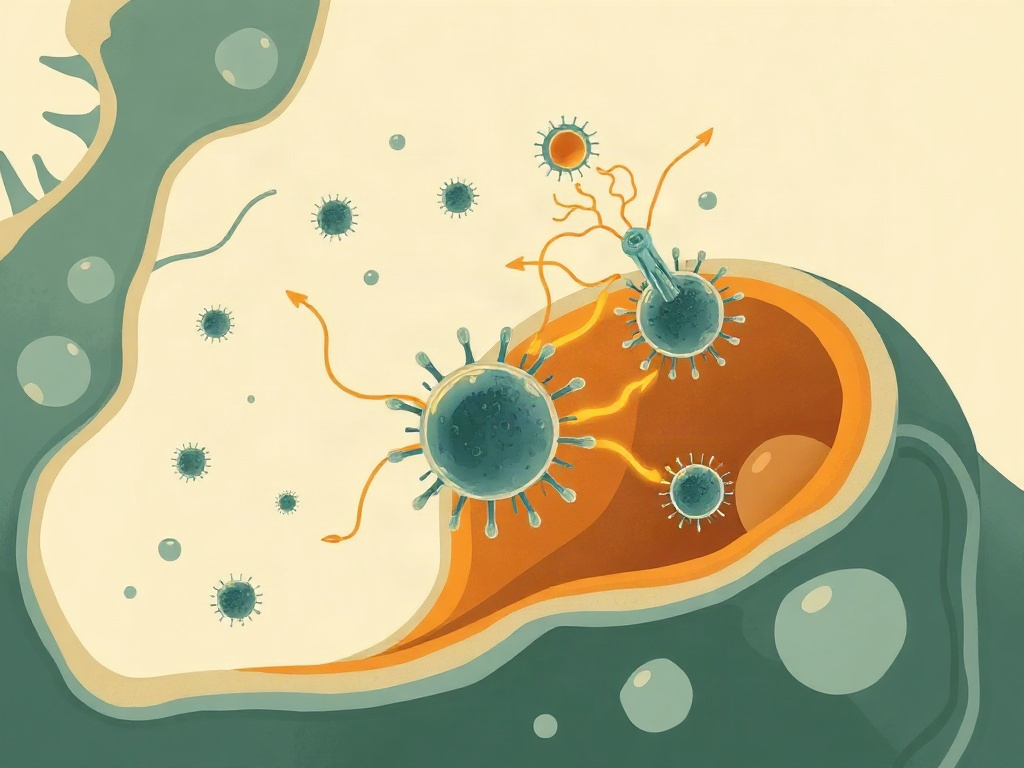
Stem cell secretomes—complex mixtures of paracrine factors and extracellular vesicles released by stem cells—demonstrate significant anti-aging potential by orchestrating angiogenesis, immunomodulation, and cell survival while mitigating cellular senescence. These cell-free therapeutic cocktails offer a compelling alternative to traditional whole-cell stem cell therapies, potentially avoiding many safety concerns associated with transplanting live cells. The secretome approach represents a paradigm shift in regenerative medicine, moving from replacing damaged cells to harnessing the natural signaling molecules that coordinate tissue repair. This could democratize anti-aging interventions by making them more standardizable and potentially safer than current stem cell procedures. However, the field faces substantial hurdles that highlight how early we are in understanding these complex biological systems. Critical gaps include identifying which specific factors drive therapeutic benefits, establishing optimal dosing protocols, and standardizing production methods across different stem cell sources. The variability between cell donors, culture conditions, and extraction methods could significantly impact therapeutic outcomes. While promising, this technology likely remains years away from clinical application, requiring extensive mechanistic research and standardization efforts before becoming a viable anti-aging intervention.
Stem Cell Secretome Shows Anti-Aging Promise Through Paracrine Signaling
Primary reference: Current stem cell research & therapy · View source ↗
Informational, non-clinical synthesis informed by published research. Not a clinical guideline or medical advice. May contain errors or editorial interpretation. Consult the original source and your physician.