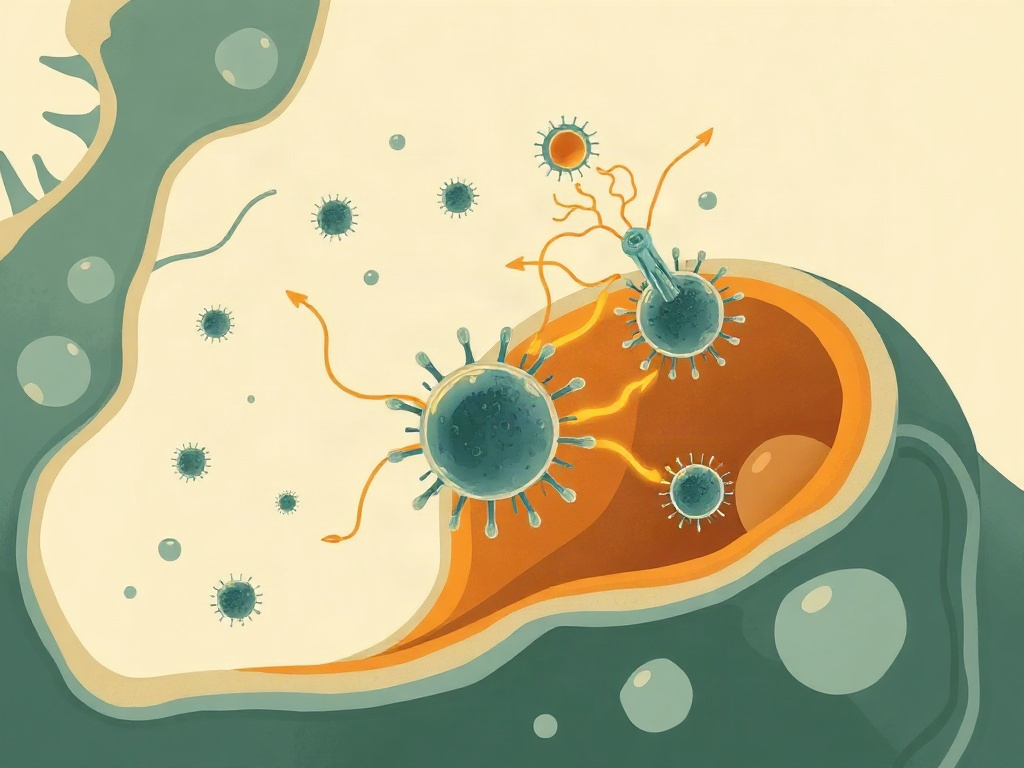
Brain preconditioning triggers three coordinated protective modules against stroke damage: rapid synaptic downscaling that reduces neural excitability, metabolic reprogramming that decreases mitochondrial oxidative stress, and delayed consolidation involving NAD+/sirtuin pathways. The research identifies specific molecular players including SIRT1's control of glycolysis, SIRT5 desuccinylation, and heat shock proteins HSP70/HSP27. Physical exercise emerges as a particularly potent intervention, restoring brain wave coherence between the septum and hippocampus while preventing cognitive decline after stroke. This work bridges fundamental neuroscience with practical interventions, positioning exercise as a form of endogenous brain conditioning. The findings suggest that predictable high-risk scenarios—such as planned cardiac surgery—represent optimal windows for preconditioning therapies. However, the challenge lies in translating these mechanisms to aging populations with multiple comorbidities, where stroke risk is highest. The identification of 'conditioning mimetics' that could replicate exercise benefits pharmacologically represents a promising frontier, though the complex interplay of these pathways suggests combination approaches may prove most effective for clinical translation.
Brain Preconditioning Activates NAD+/Sirtuin Pathways Against Stroke Damage
Primary reference: Stroke · View source ↗
Informational, non-clinical synthesis informed by published research. Not a clinical guideline or medical advice. May contain errors or editorial interpretation. Consult the original source and your physician.