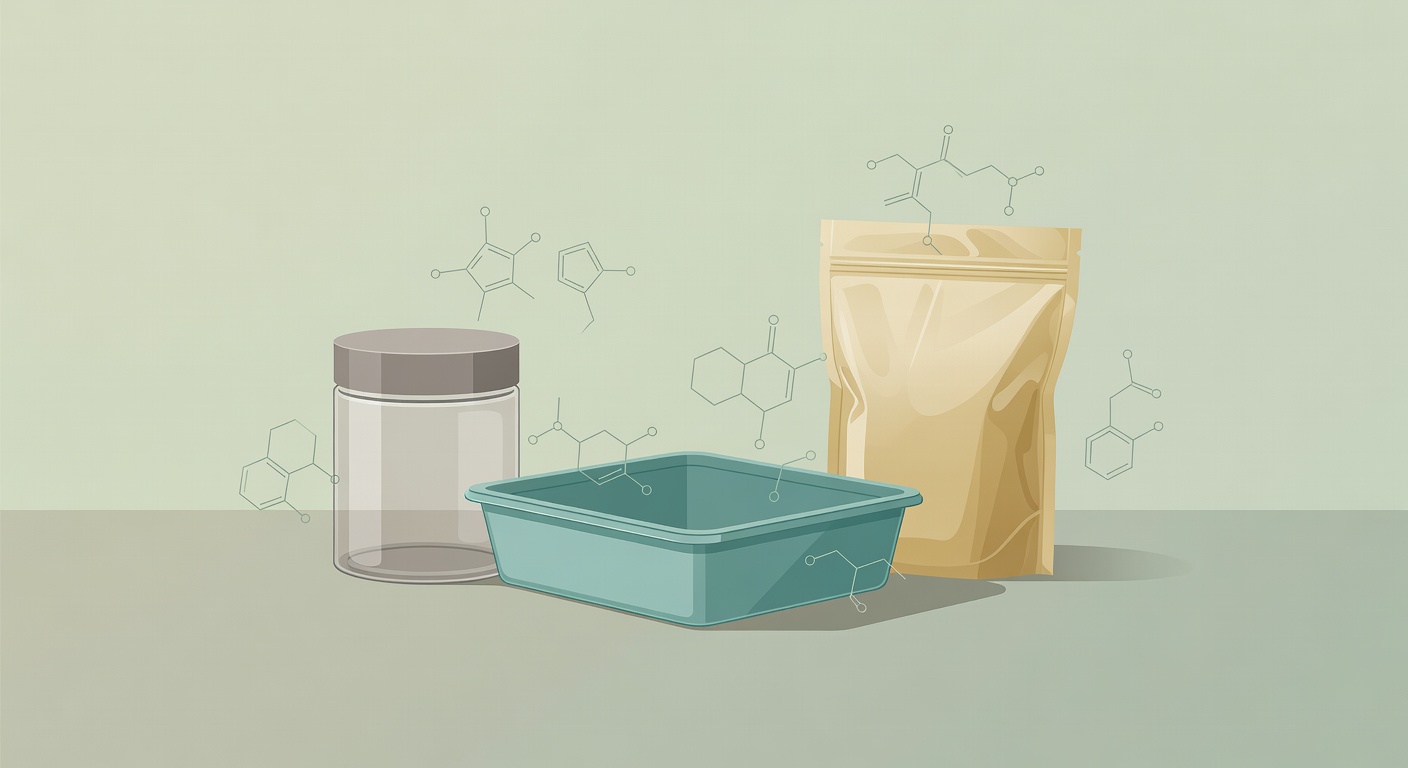
Rice cultivation faces a critical challenge as weeds threaten yields while agricultural residues raise food safety concerns. This breakthrough reveals how rice plants can naturally transform glyphosate herbicide into benign sugar-bound compounds, potentially revolutionizing sustainable farming practices. The research demonstrates that rice varieties engineered with enhanced glycosylation pathways can simultaneously tolerate glyphosate applications while dramatically reducing chemical residues in the final grain. The glycosylation process attaches sugar molecules to glyphosate, effectively neutralizing the herbicide and making it water-soluble for easy plant excretion. Laboratory analysis showed these modified rice lines maintained normal growth under glyphosate treatment while accumulating 70-80% fewer residues compared to conventional varieties. The mechanism works by upregulating specific glycosyltransferase enzymes that recognize glyphosate as a substrate. This represents a significant advancement beyond current transgenic approaches that simply block glyphosate's target enzyme. The dual benefit of herbicide tolerance with active residue reduction addresses mounting consumer concerns about agricultural chemicals in food. However, several limitations temper immediate enthusiasm. The study utilized controlled greenhouse conditions with limited genetic backgrounds, and field performance under variable environmental stresses remains unproven. Long-term effects on plant metabolism and nutritional quality require extensive evaluation. Additionally, regulatory pathways for such engineered varieties remain complex. While promising for sustainable agriculture, this technology faces the typical 8-12 year development timeline before potential commercial availability, assuming successful field trials and regulatory approval.
Rice Plants Engineer Glyphosate into Harmless Sugar Compounds
📄 Based on research published in PNAS
Read the original research →For informational, non-clinical use. Synthesized analysis of published research — may contain errors. Not medical advice. Consult original sources and your physician.