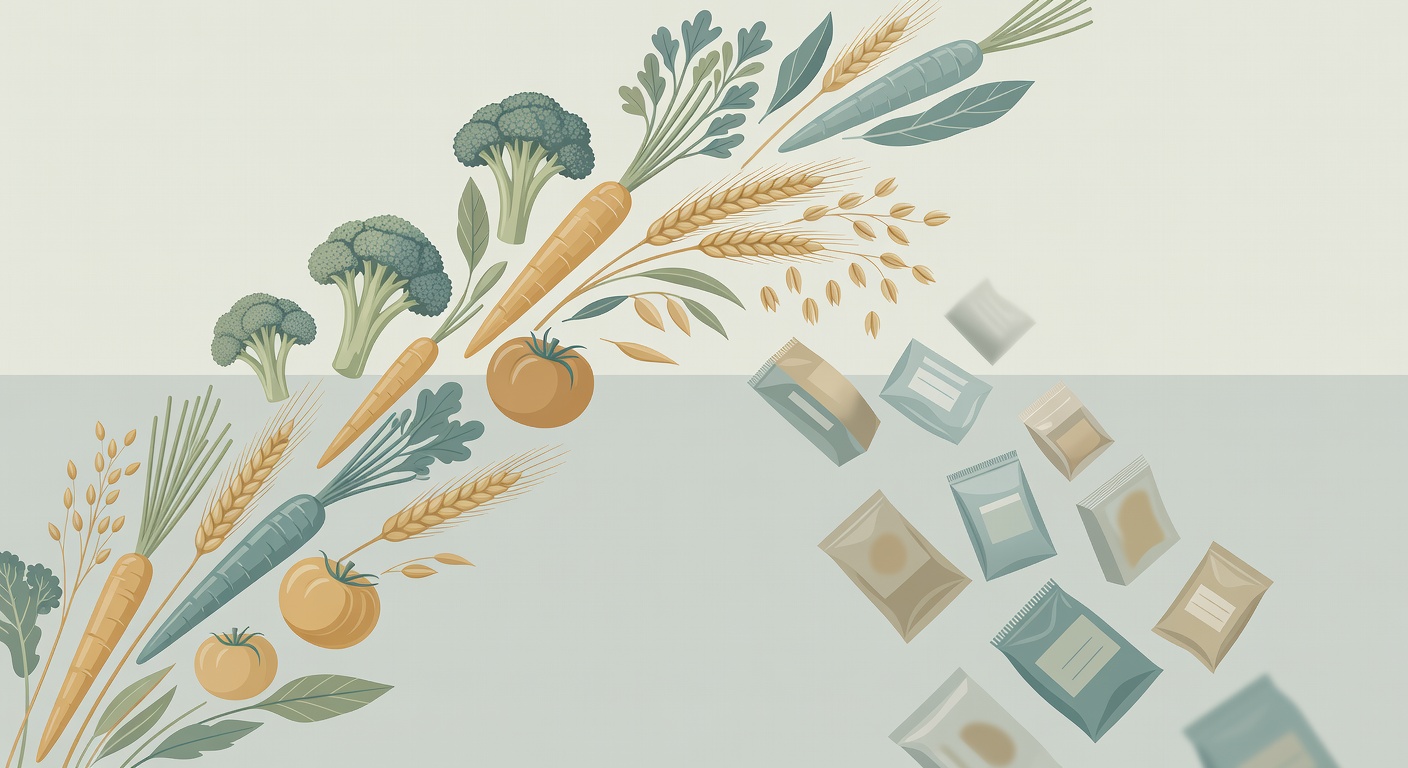
The explosive rise in ultra-processed food consumption across Europe represents a fundamental shift in cancer risk that most adults underestimate. These convenience foods, laden with sugar, unhealthy fats, and sodium, are driving obesity rates to epidemic proportions while simultaneously elevating cancer susceptibility through multiple biological pathways. The updated European Code Against Cancer identifies this dietary transformation as a primary driver behind increasing cancer incidence across the continent. The guidelines specifically target sugar-sweetened beverages and processed foods as major culprits, alongside excessive red meat consumption that commonly exceeds recommended limits. The analysis reveals that protective foods—whole grains, vegetables, legumes, and fruits—actively prevent aerodigestive tract cancers, while whole grain intake specifically reduces colorectal cancer risk. Physical inactivity compounds these dietary risks, with prolonged sedentary behavior now recognized as an independent cancer risk factor affecting multiple organ systems. Breastfeeding emerges as a protective factor against breast cancer, though rates remain disappointingly low across European high-income nations. From a longevity perspective, this represents a critical inflection point where food industry practices directly conflict with population health outcomes. The recommendations aren't merely dietary suggestions but evidence-based interventions targeting specific cancer mechanisms. However, individual behavior change alone proves insufficient—the guidelines emphasize systemic policy interventions including fiscal measures, urban planning modifications, and marketing restrictions. This signals recognition that cancer prevention requires structural changes rather than relying solely on personal responsibility, suggesting a more sophisticated understanding of how environmental factors shape health trajectories over decades.
European Cancer Guidelines Recommend Limiting Ultra-Processed Foods to Help Reduce Obesity-Related Cancer Risk
Primary reference: Molecular oncology · View source ↗
Informational, non-clinical synthesis informed by published research. Not a clinical guideline or medical advice. May contain errors or editorial interpretation. Consult the original source and your physician.