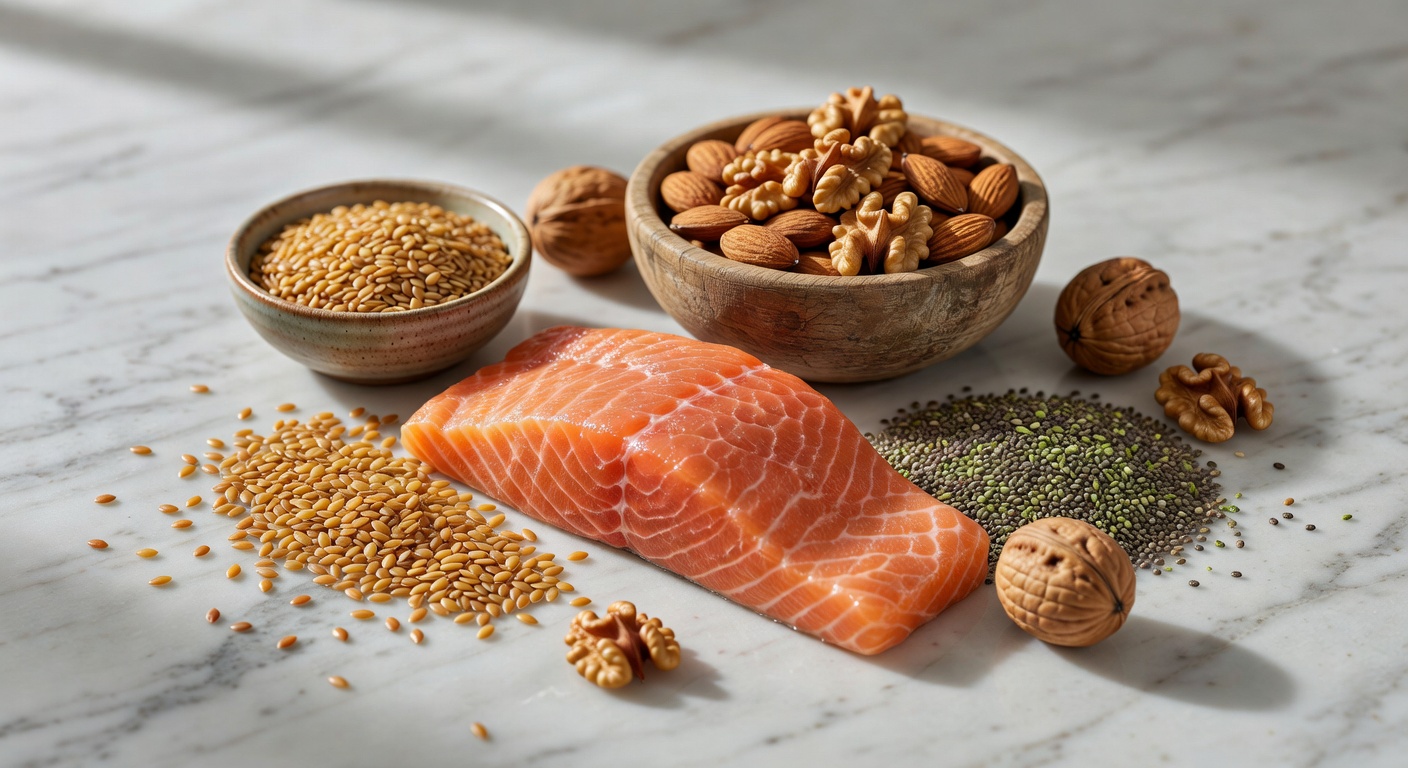
Maternal intake of folate, vitamin B12, choline, vitamin D, omega-3 fatty acids, and polyphenols during pregnancy triggers epigenetic modifications—including DNA methylation and histone changes—that alter fetal gene expression without changing the underlying DNA sequence. These nutrient-driven modifications influence metabolic programming, brain development, and immune system maturation in the developing fetus. The epigenetic landscape represents a fascinating intersection of nutrition science and developmental biology, where dietary choices during the critical pregnancy window can literally rewrite how genes are expressed across generations. This field challenges the traditional view that genetics are fixed, instead revealing nutrition as a powerful molecular switch. The clinical implications extend far beyond birth outcomes, with maternal dietary patterns potentially influencing a child's lifelong susceptibility to obesity, cardiovascular disease, and neuropsychiatric conditions. However, most evidence comes from observational cohort studies, making it difficult to establish direct causation. The translational challenge lies in identifying which specific nutritional interventions during pregnancy yield the most protective epigenetic signatures, and whether these effects can be reliably predicted and monitored through biomarkers.
Maternal Nutrients Reprogram Fetal DNA Expression Via Epigenetic Mechanisms
📄 Based on research published in Journal of perinatal medicine
Read the original paper →For informational, non-clinical use. Synthesized analysis of published research — may contain errors. Not medical advice. Consult original sources and your physician.