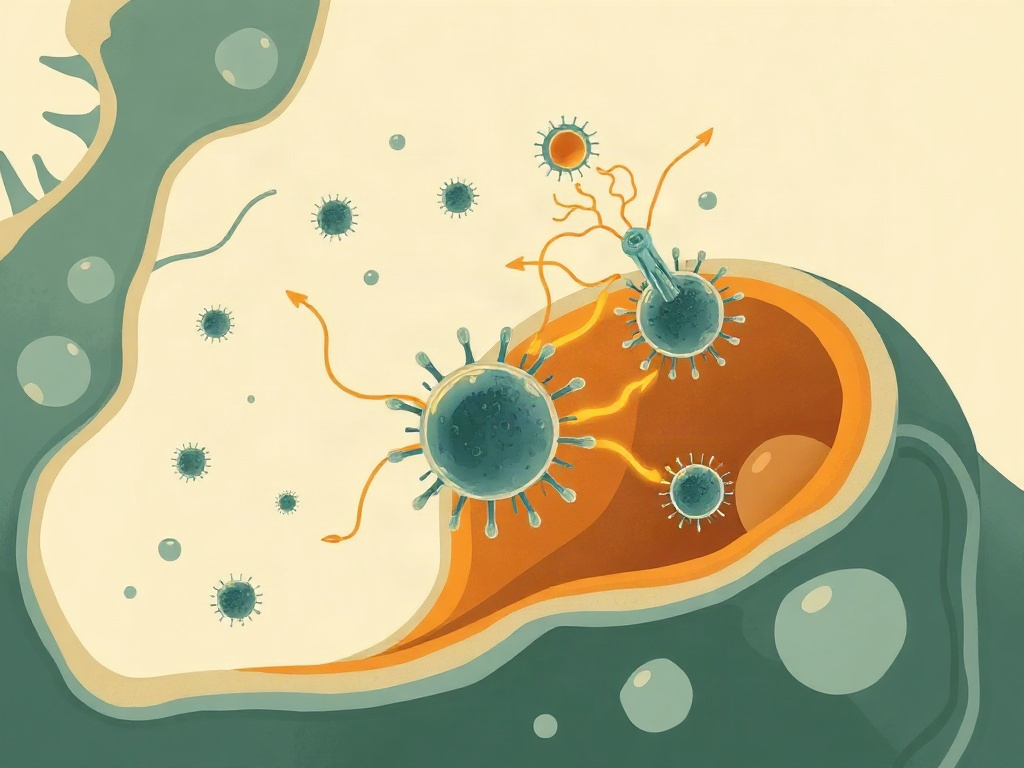
The discovery that aging ovaries might be rejuvenated through gut microbiome intervention opens a transformative pathway for addressing reproductive decline in women. This finding challenges the assumption that ovarian aging is an inevitable, irreversible process controlled solely by genetics and time. Researchers transplanted gut bacteria from reproductively young female mice into older, estropausal mice experiencing ovarian decline. The microbial intervention restored key markers of ovarian health, including improved hormone profiles and enhanced follicle development metrics. Fertility-related outcomes showed measurable improvement following the transplant, suggesting the aging gut microbiome actively contributes to ovarian dysfunction rather than merely correlating with it. This represents the first direct demonstration of a causal relationship between gut bacterial communities and reproductive organ aging. The gut-ovary axis appears to operate through mechanisms that remain largely unexplored in human reproductive medicine. While mouse reproductive physiology differs significantly from humans, this research provides compelling evidence that targeting the microbiome could become a novel intervention for age-related fertility decline and menopause management. The implications extend beyond reproduction to hormone-dependent conditions affecting postmenopausal women, including bone density, cardiovascular health, and cognitive function. However, translating these findings requires extensive human trials to establish safety, optimal bacterial strains, and delivery methods. The complexity of human gut ecosystems and individual variation in microbiome composition presents significant challenges for clinical application. This represents early-stage but potentially paradigm-shifting research that could reshape approaches to women's reproductive health and aging.
Gut Microbiome Transplants Restore Ovarian Function in Aging Female Mice
Primary reference: Nature Aging · View source ↗
Informational, non-clinical synthesis informed by published research. Not a clinical guideline or medical advice. May contain errors or editorial interpretation. Consult the original source and your physician.