Urban environments profoundly shape population health outcomes, yet the tools designed to guide healthier city planning remain fundamentally disconnected from real-world application and community needs. This disconnect represents a missed opportunity to leverage built environment interventions for widespread health improvement.
A comprehensive analysis of 61 healthy planning frameworks revealed striking limitations in current approaches. Most frameworks concentrate narrowly on single environmental elements, with active mobility and transport infrastructure dominating 34% of available tools. More concerning, 40 frameworks articulated health goals in vague, general terms rather than targeting measurable health outcomes. Only 12% were designed for public use, and a mere 11% incorporated evaluation mechanisms to assess effectiveness.
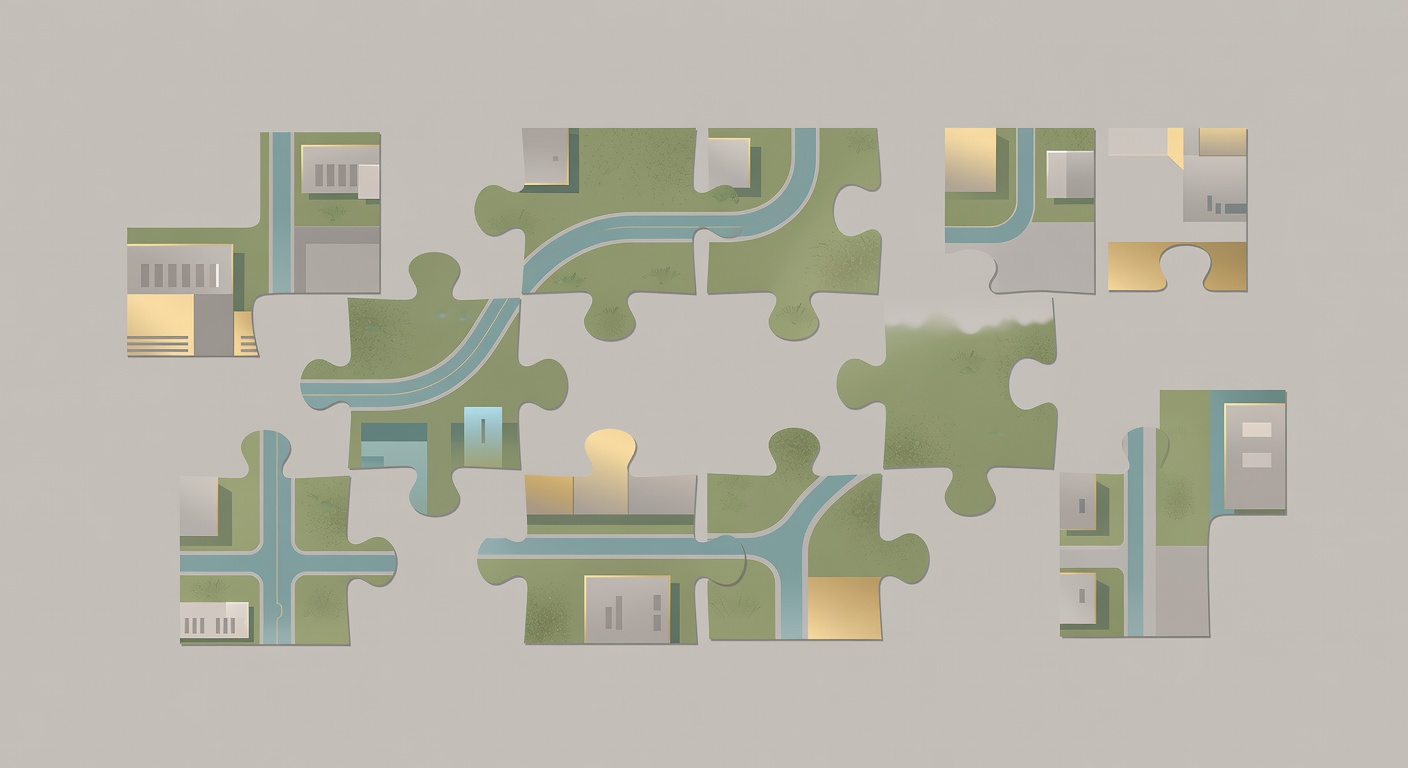
These findings expose a critical gap between academic framework development and practical implementation. The siloed approach—where transportation, housing, green space, and air quality frameworks operate independently—mirrors the fragmented nature of urban governance itself. However, health outcomes emerge from the complex interplay of multiple environmental factors, not isolated interventions. The absence of community-facing tools particularly undermines the potential for grassroots advocacy and citizen engagement in healthy planning processes.
The lack of evaluation protocols represents perhaps the most significant limitation. Without systematic assessment mechanisms, successful approaches cannot be identified, replicated, or scaled. This evaluation gap perpetuates a cycle where new frameworks proliferate without evidence of impact, while potentially effective interventions remain unrecognized. For health-conscious communities seeking to influence local planning decisions, this research underscores the need for integrated, community-accessible frameworks that move beyond theoretical constructs toward measurable health improvements.