The discovery that a specific bacterial species amplifies sepsis risk through histamine production offers new insights into why older adults face worse outcomes during critical illness. This mechanism reveals how age-related microbial shifts create cascading vulnerabilities that extend far beyond the gut itself.
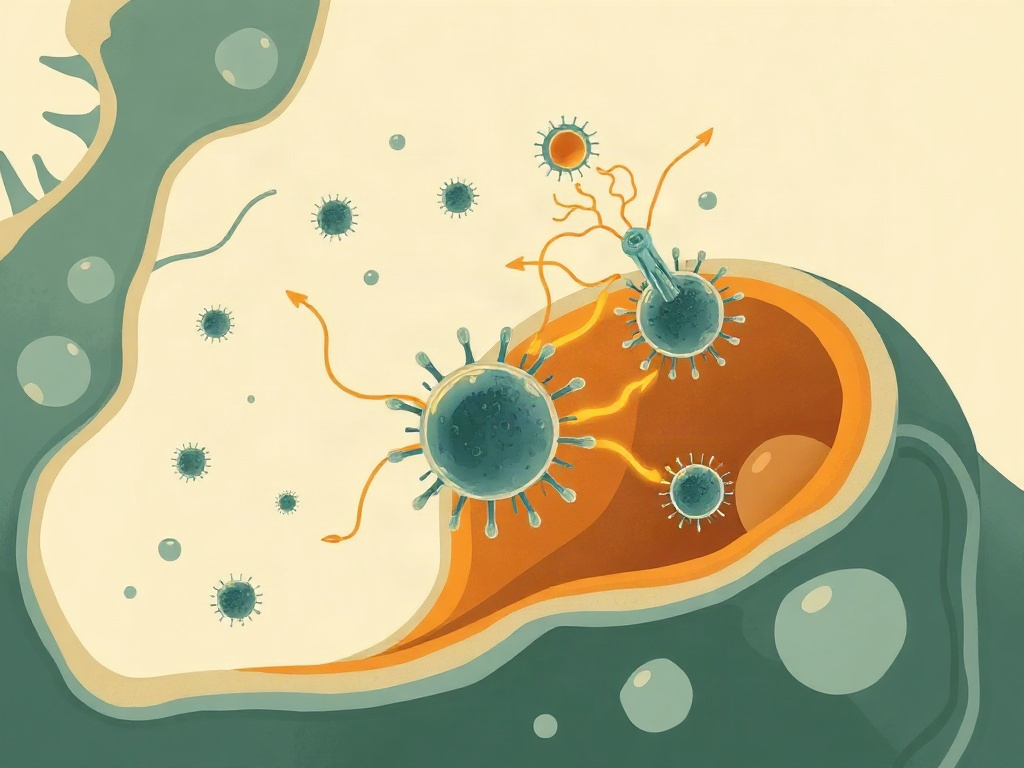
Researchers identified Klebsiella aerogenes as a key culprit in age-associated intestinal barrier breakdown. Using fecal transplants from aged septic patients and mice into young germ-free recipients, they demonstrated that this bacterial species increases dramatically with age and produces excessive histamine through a histidine decarboxylase gene variant. The histamine then triggers a molecular cascade that impairs autophagy by inhibiting Nlrp6 expression and preventing its binding to LC3, ultimately compromising intestinal barrier integrity and worsening sepsis susceptibility.
This finding connects several previously disparate observations about aging and critical illness. The gut-brain-immune axis has long been recognized as central to health maintenance, but the specific bacterial drivers of age-related dysfunction remained unclear. The histamine-autophagy connection is particularly significant because autophagy decline is a hallmark of aging across multiple organ systems. The study suggests that targeting either Klebsiella overgrowth or histamine signaling could potentially preserve gut barrier function in older adults. However, the research was conducted primarily in mouse models with human validation limited to microbiome characterization. Whether interventions modulating this pathway can improve clinical outcomes in aged sepsis patients requires further investigation, though the mechanistic clarity makes this a promising therapeutic avenue.