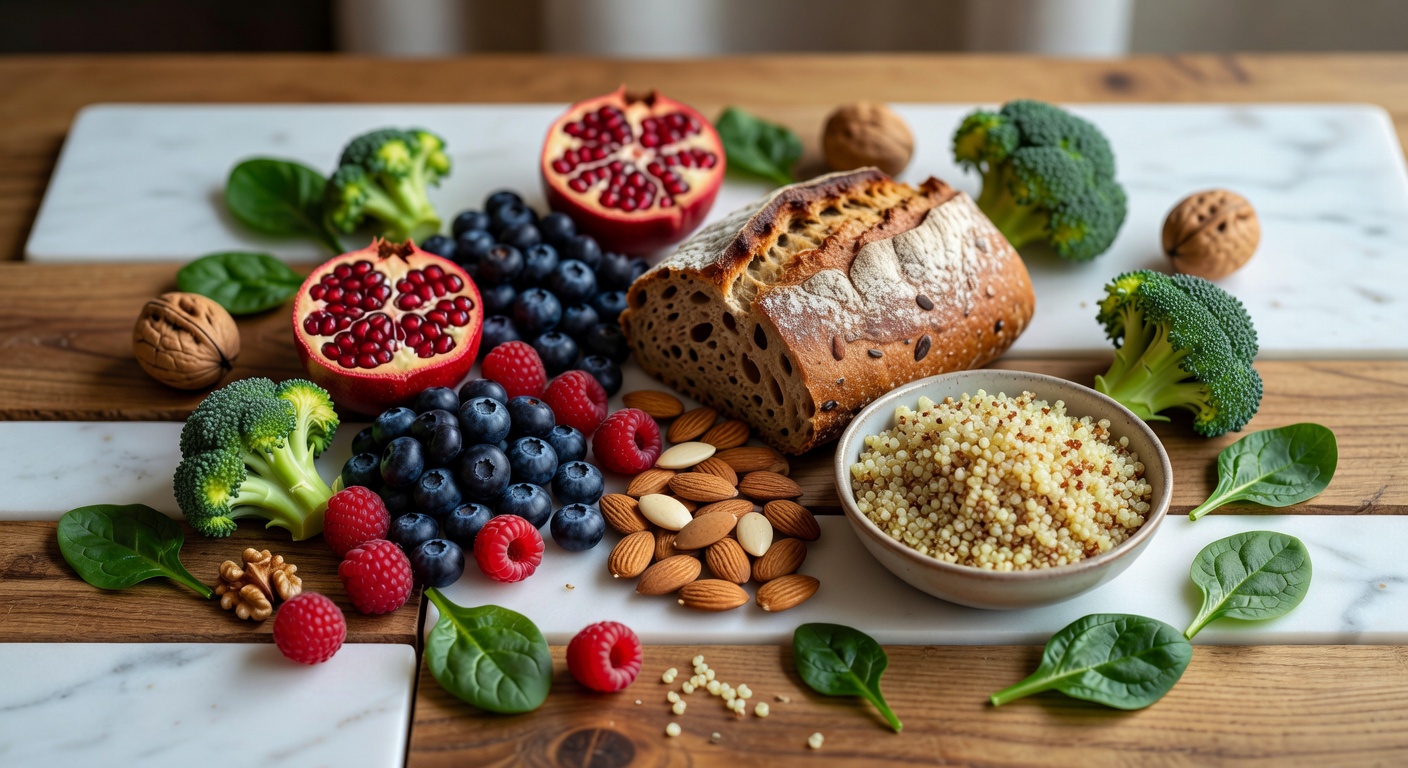
This comprehensive review synthesizes evidence showing polyphenols—antioxidant compounds from plants—work through distinct molecular pathways to preserve muscle mass, complementing traditional protein interventions for sarcopenia. The analysis highlights polyphenols' anti-inflammatory properties and their ability to modulate cellular pathways involved in muscle atrophy, positioning them as promising therapeutic agents beyond conventional resistance training and protein supplementation. The integration of polyphenol research with established protein strategies represents a significant advancement in sarcopenia management. Current sarcopenia treatments focus heavily on protein intake to stimulate muscle protein synthesis, but this approach may be insufficient given the condition's complex pathophysiology involving inflammation, oxidative stress, and cellular dysfunction. Polyphenols offer a complementary mechanism by targeting these upstream factors that contribute to muscle degradation. The review's emphasis on microbiota modulation also reflects growing recognition that gut health influences muscle maintenance through the gut-muscle axis. For aging adults, this suggests a more nuanced nutritional approach combining optimal protein timing with polyphenol-rich foods like berries, green tea, and dark chocolate. However, translating these mechanistic insights into specific dosing recommendations and identifying which polyphenols provide the greatest clinical benefit remains an ongoing challenge requiring targeted intervention studies.
Polyphenols and Protein Strategies Target Molecular Pathways in Sarcopenia Prevention
Primary reference: Journal of physiology and biochemistry · View source ↗
Informational, non-clinical synthesis informed by published research. Not a clinical guideline or medical advice. May contain errors or editorial interpretation. Consult the original source and your physician.