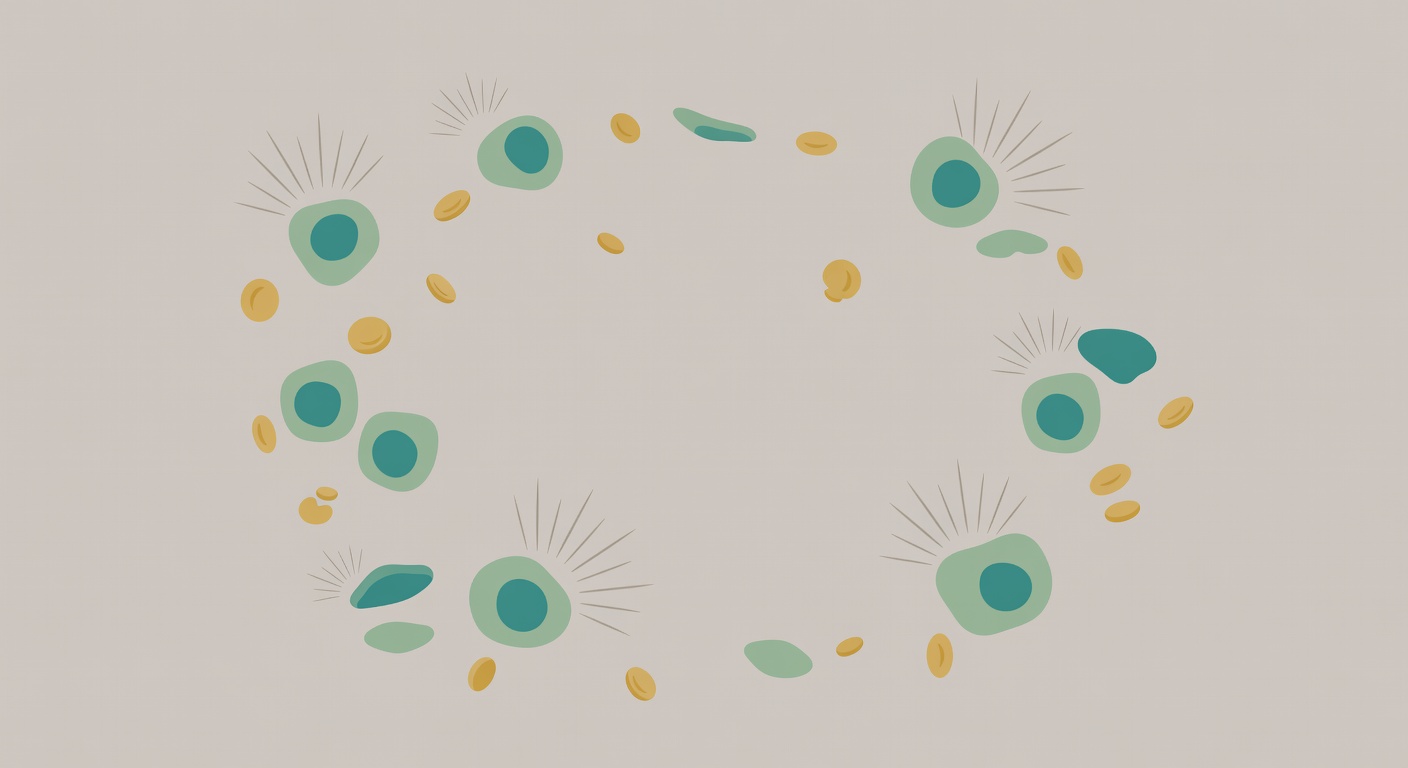
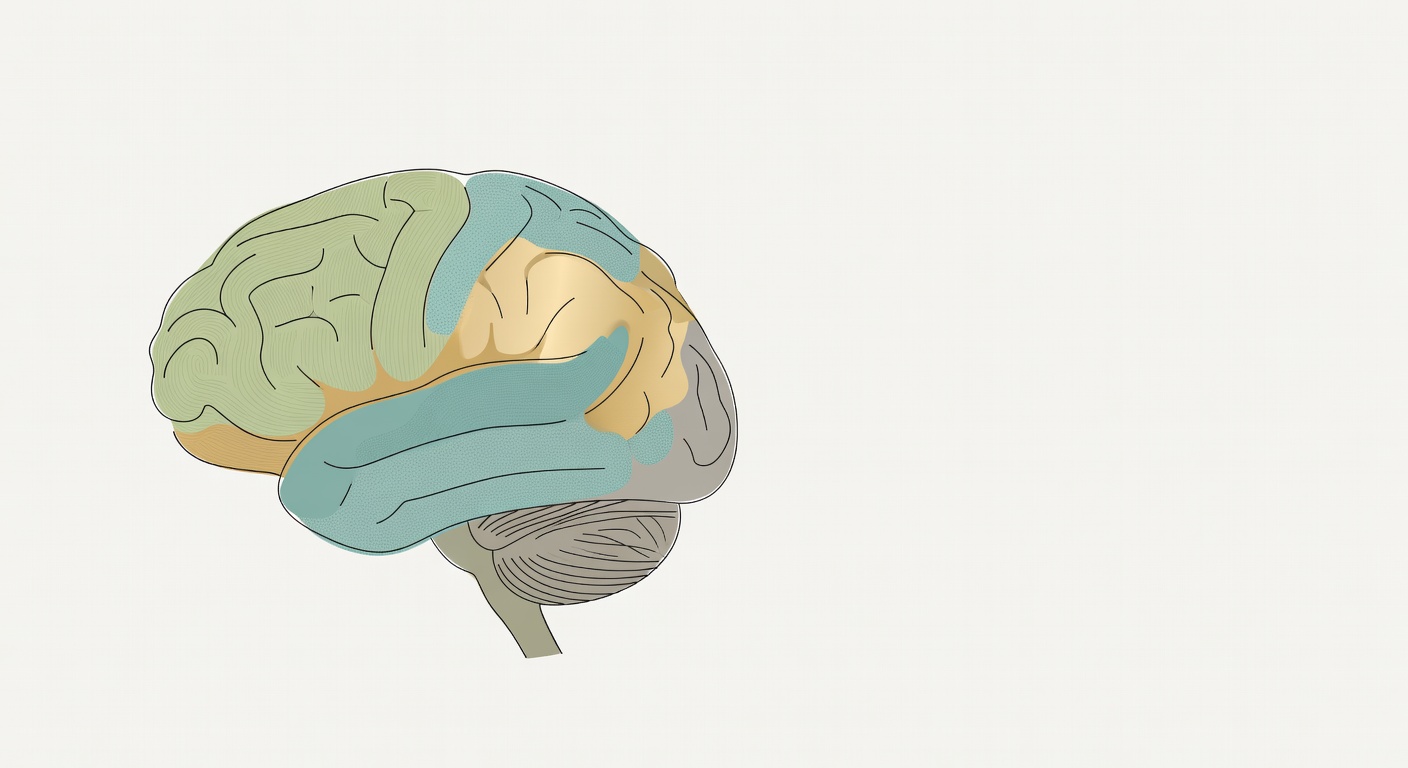
Pathogenic gut bacteria and their metabolites accelerate telomere shortening through oxidative stress pathways, while shortened telomeres compromise gut barrier integrity, creating a damaging feedback loop. The gut tissue shows particularly rapid telomere erosion due to high cell turnover rates, with systemic aging consequences throughout the body. This bidirectional relationship represents a fundamental shift in understanding cellular aging mechanisms. The gut microbiome emerges as a direct modulator of telomere dynamics rather than merely an indirect health influence. When pathogenic bacteria dominate, they generate oxidative compounds that damage telomeres directly. Conversely, when telomeres shorten below critical thresholds, gut barrier function deteriorates, allowing inflammatory compounds to enter circulation and dysbiosis to worsen. This creates an accelerating spiral toward systemic aging. The implications are profound for longevity interventions. Rather than targeting telomeres or gut health separately, optimal aging strategies may require simultaneous approaches addressing both systems. However, the research remains largely correlational, with causal mechanisms still being mapped. The practical challenge lies in determining whether microbiome interventions like targeted probiotics or fecal transplants can meaningfully influence telomere maintenance in healthy adults, not just diseased populations.
Gut Microbes Control Telomere Length Through Oxidative Stress Pathways
📄 Based on research published in Biological reviews of the Cambridge Philosophical Society
Read the original paper →For informational, non-clinical use. Synthesized analysis of published research — may contain errors. Not medical advice. Consult original sources and your physician.