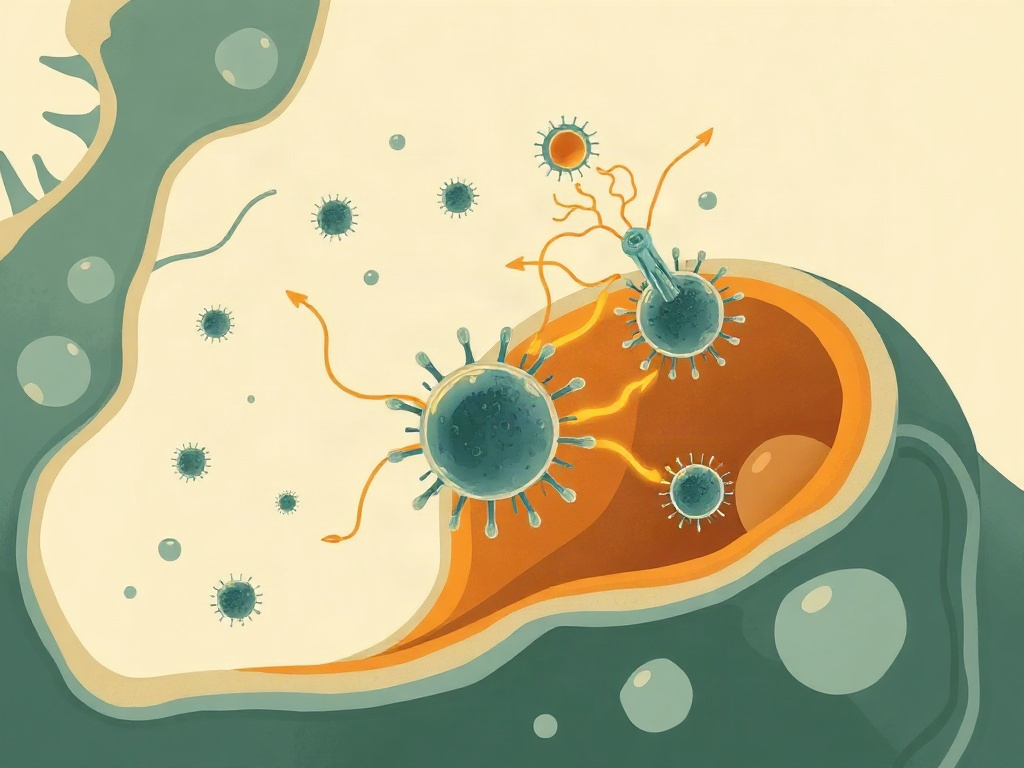
One month of rapamycin treatment in reproductively aged 10-month-old female mice suppressed mTOR signaling and reduced cellular senescence, inflammation, fibrosis, and oxidative damage across the ovary, lung, small intestine, and skeletal muscle. The treatment also restored somatic stem cell abundance and differentiation capacity while reducing DNA damage markers. However, fertility and estradiol levels remained unchanged, and benefits reversed after treatment withdrawal. This finding illuminates a critical window concept in aging intervention—rapamycin's cellular rejuvenation effects persist even after reproductive decline begins, but reproductive function itself becomes irreversibly damaged. The reversibility upon treatment cessation suggests rapamycin acts as a biological brake rather than a permanent reset button. For human longevity applications, this indicates mTOR inhibitors like rapamycin could potentially maintain healthspan across multiple organ systems during perimenopause and beyond, though continuous or repeated treatment cycles might be necessary. The study's limitation to a one-month intervention in mice makes it unclear whether longer treatment durations or different timing strategies could yield more durable benefits in humans.
One-Month Rapamycin Treatment Reverses Cellular Aging Markers in 10-Month-Old Female Mice

Primary reference: FASEB journal : official publication of the Federation of American Societies for Experimental Biology · View source ↗
Informational, non-clinical synthesis informed by published research. Not a clinical guideline or medical advice. May contain errors or editorial interpretation. Consult the original source and your physician.