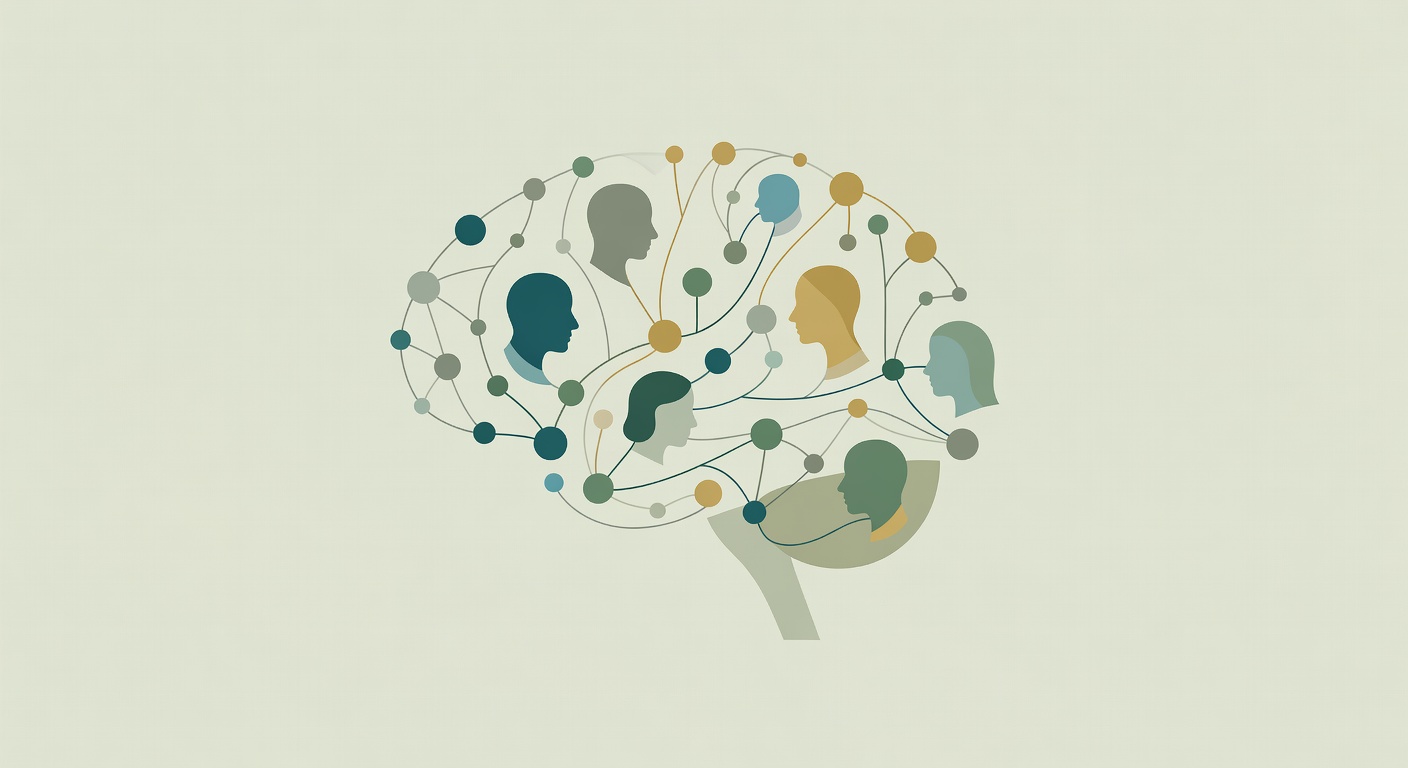
Brain imaging reveals that both schizophrenia patients and their healthy siblings exhibit disrupted neural networks when processing negative facial emotions, supporting the hypothesis that emotion recognition deficits represent a heritable biological marker for the disorder. The research employed functional connectivity analysis during emotionally challenging tasks, moving beyond previous studies that relied on neutral face comparisons—an approach now recognized as flawed since neither patients nor relatives perceive 'neutral' faces as truly neutral.
This finding strengthens the endophenotype model, which suggests that certain traits shared between patients and unaffected relatives reflect genetic vulnerability rather than illness effects alone. The neural connectivity disruptions observed in healthy siblings indicate that emotion processing abnormalities precede clinical symptoms and likely represent core features of schizophrenia risk. For families with schizophrenia history, these results suggest that subtle emotion recognition difficulties may serve as early indicators warranting closer monitoring. The research methodology represents a significant methodological advance by using ecologically valid emotional contexts rather than artificial neutral comparisons, potentially explaining inconsistencies in earlier neuroimaging studies of emotion processing across the schizophrenia spectrum.