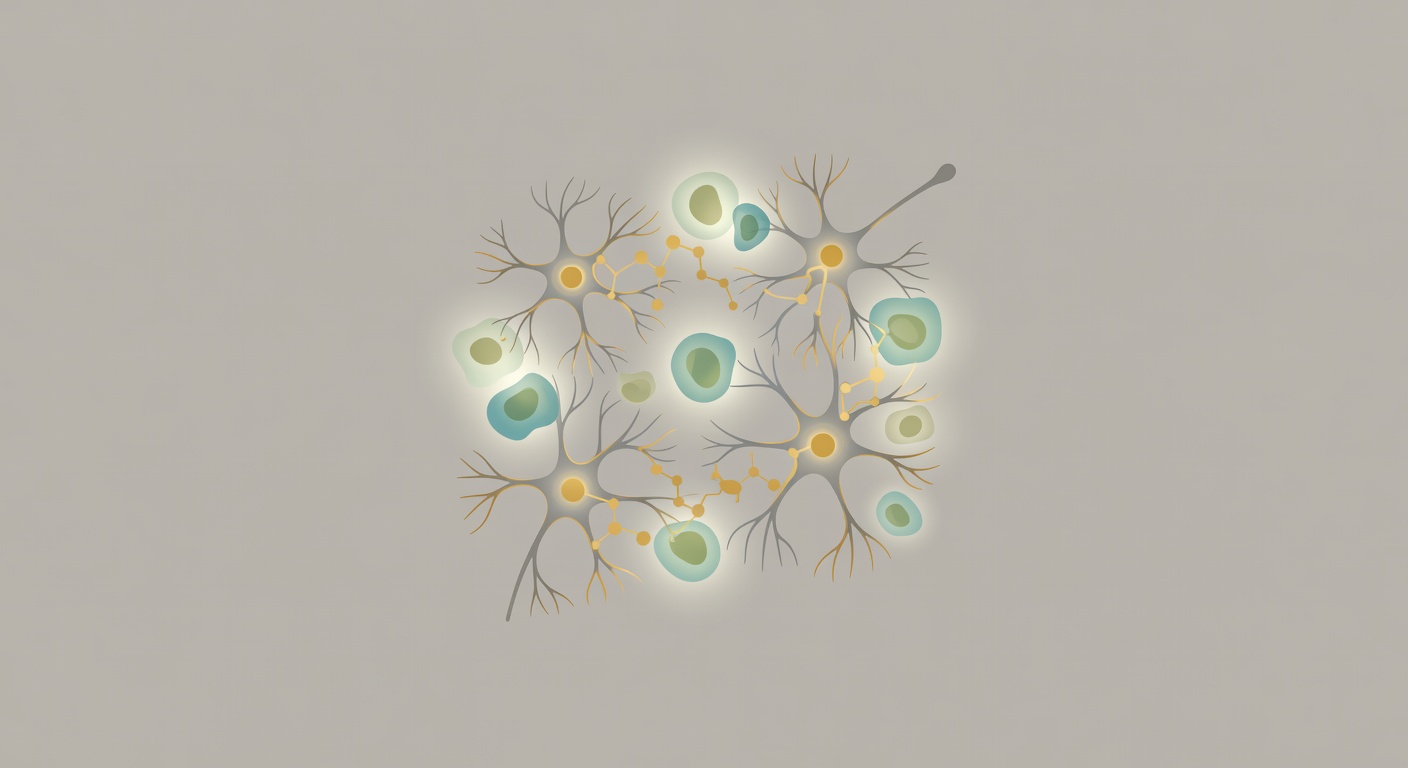
Cognitive resilience, autonomic regulation, sleep architecture, and behavioral capacity emerge as the primary determinants of functional longevity, with progressive neural network disruption driving systemic decline independent of peripheral biological age markers. The proposed Brain-First Longevity Framework positions central nervous system preservation as foundational to extending durable healthspan rather than mere lifespan extension. This perspective represents a significant departure from the field's traditional focus on metabolic optimization and molecular aging pathways in peripheral tissues. The framework aligns with mounting evidence from neurodegenerative disease research showing that cognitive decline often precedes and drives multi-system functional deterioration. For health-conscious adults, this suggests that interventions targeting neural plasticity, sleep quality, stress resilience, and cognitive reserve may yield greater healthspan returns than peripheral biomarker optimization alone. However, the editorial format limits empirical validation of these claims. The framework's clinical utility will depend on developing reliable biomarkers of neural network integrity and demonstrating that brain-targeted interventions outperform traditional longevity approaches in controlled studies. This brain-centric paradigm could reshape therapeutic priorities if validated through longitudinal research.
Neural Network Degradation Determines Healthspan More Than Peripheral Aging

📄 Based on research published in Cureus
Read the original research →For informational, non-clinical use. Synthesized analysis of published research — may contain errors. Not medical advice. Consult original sources and your physician.