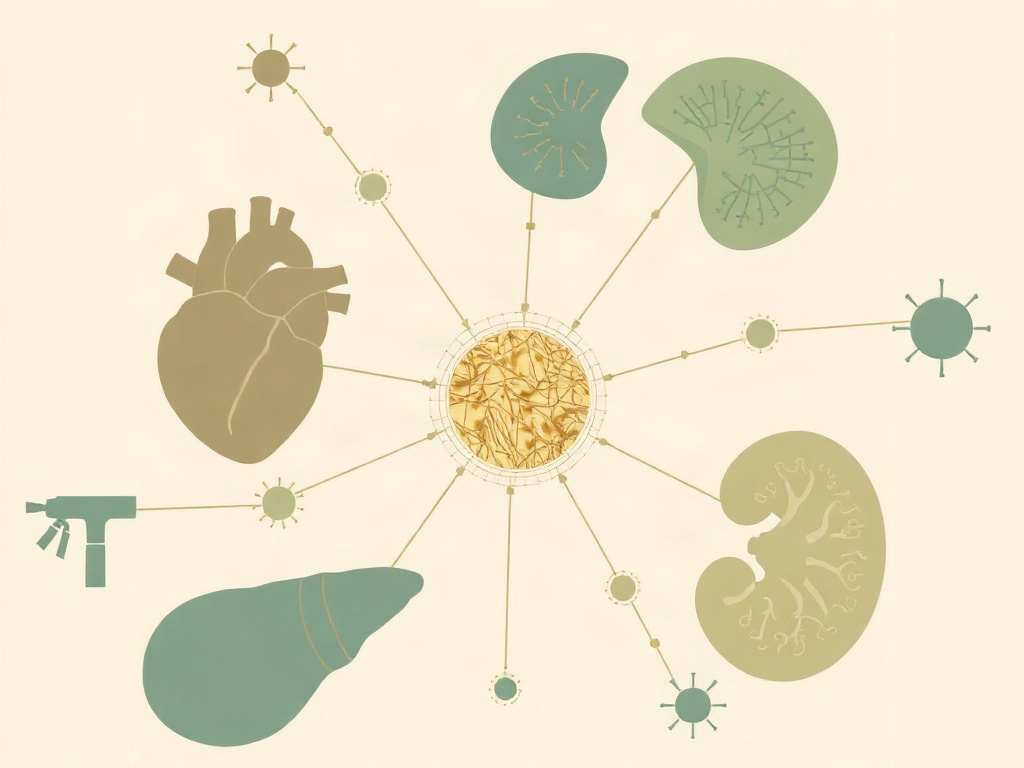
Chen and colleagues developed OMICmAge, which layers multiple molecular signatures onto DNA methylation patterns to create a more comprehensive biological age metric than methylation clocks alone. The algorithm incorporates proteomics, metabolomics, and transcriptomic data with clinical records to predict mortality risk and disease onset. This multi-dimensional approach addresses a critical limitation in current epigenetic aging research, where methylation-based clocks like Horvath's or GrimAge capture only one molecular layer of the aging process. The integration of diverse omics data theoretically provides a more complete picture of cellular deterioration across organ systems. However, the practical utility depends heavily on data accessibility and standardization across healthcare systems. Multi-omics profiling remains expensive and technically demanding, limiting widespread clinical adoption. The validation cohorts showed strong mortality associations, but the real test will be whether OMICmAge can reliably stratify intervention responses better than existing single-modality clocks. If validated in larger populations, this approach could transform personalized longevity medicine by identifying individuals most likely to benefit from specific anti-aging therapies, moving beyond chronological age toward precision health assessment.
Multi-Omics Clock OMICmAge Outperforms DNA Methylation Alone in Aging Assessment

Primary reference: Nature Aging · View source ↗
Informational, non-clinical synthesis informed by published research. Not a clinical guideline or medical advice. May contain errors or editorial interpretation. Consult the original source and your physician.