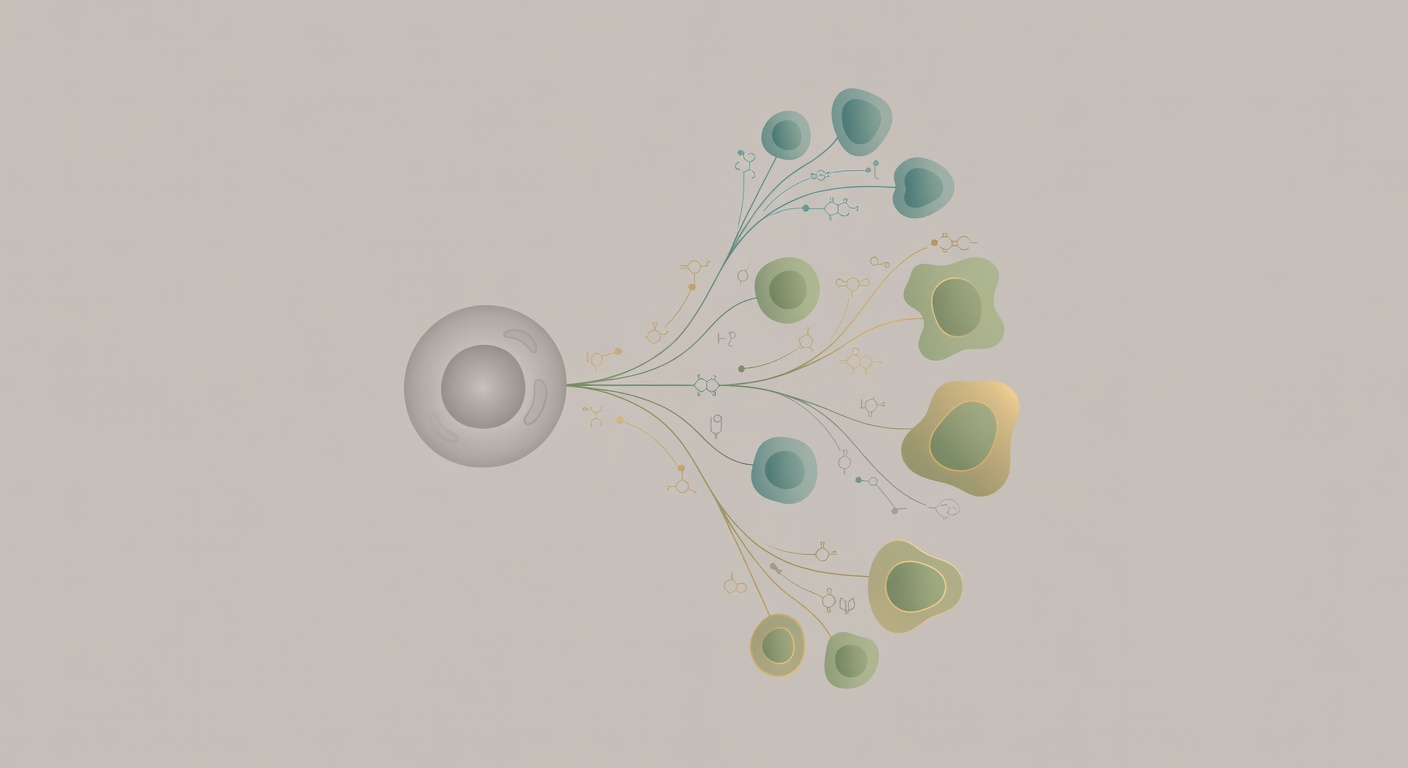
Researchers engineered a modified IL-10 cytokine that selectively activates anti-inflammatory pathways in aged brain microglia while avoiding the pro-inflammatory side effects of natural IL-10. Direct brain delivery of this engineered variant enhanced neurogenesis and improved cognitive performance in aged mice by rebalancing microglial activation states. The breakthrough addresses a fundamental challenge in neuroinflammation research: natural IL-10 paradoxically triggers both beneficial anti-inflammatory and detrimental pro-inflammatory responses in aging brains. This dual effect has limited its therapeutic potential despite its known neuroprotective properties. The engineered variant represents a precision immunotherapy approach that could transform treatment of age-related cognitive decline. Previous attempts to modulate brain inflammation have struggled with the complex, context-dependent nature of immune responses in neural tissue. This study's success in uncoupling IL-10's beneficial and harmful effects suggests a viable path forward for targeting the chronic neuroinflammation that characterizes brain aging. While the work remains in mouse models, the strategy of engineering cytokines to achieve selective pathway activation could apply broadly to other inflammatory conditions affecting the aging brain.
Engineered IL-10 Variant Reverses Brain Aging by Targeting Microglial Inflammation
📄 Based on research published in Immunity
Read the original research →For informational, non-clinical use. Synthesized analysis of published research — may contain errors. Not medical advice. Consult original sources and your physician.