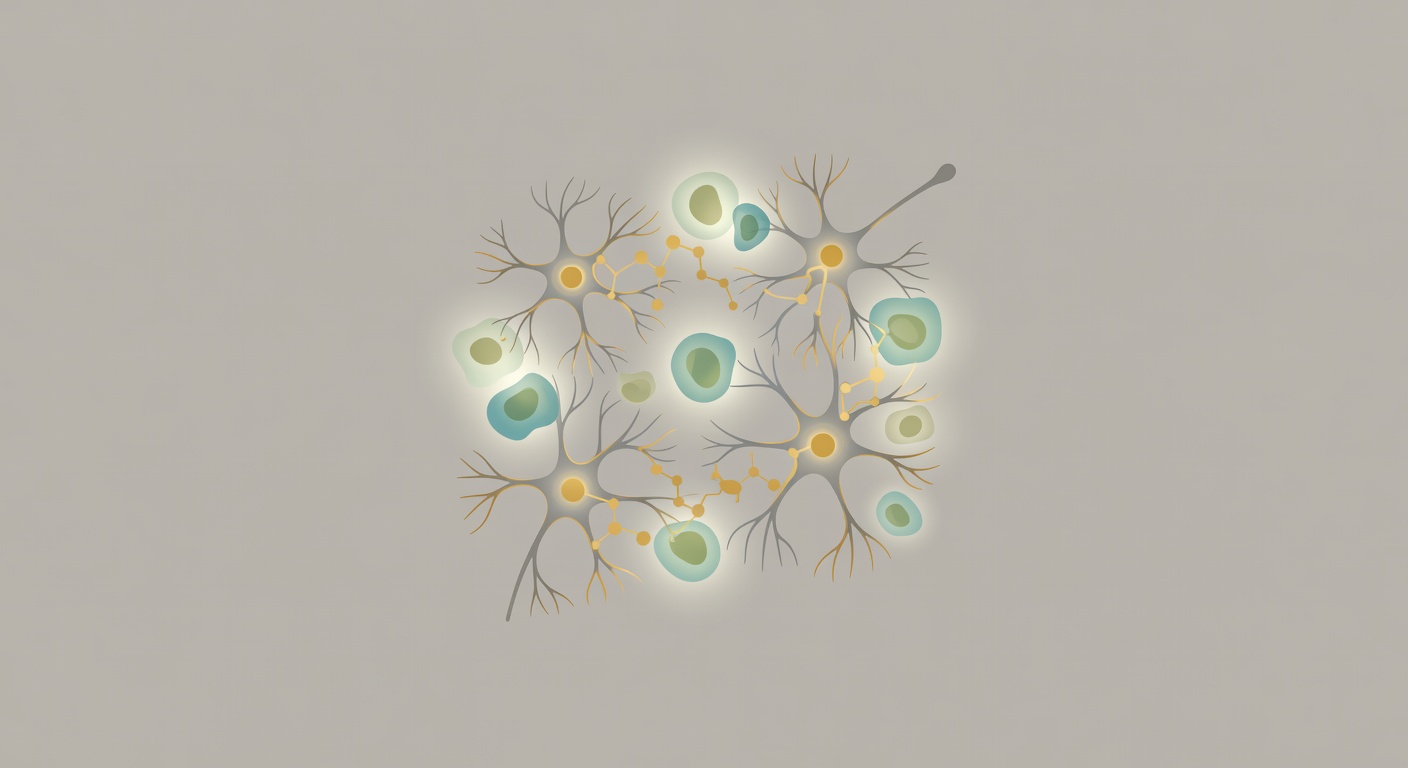
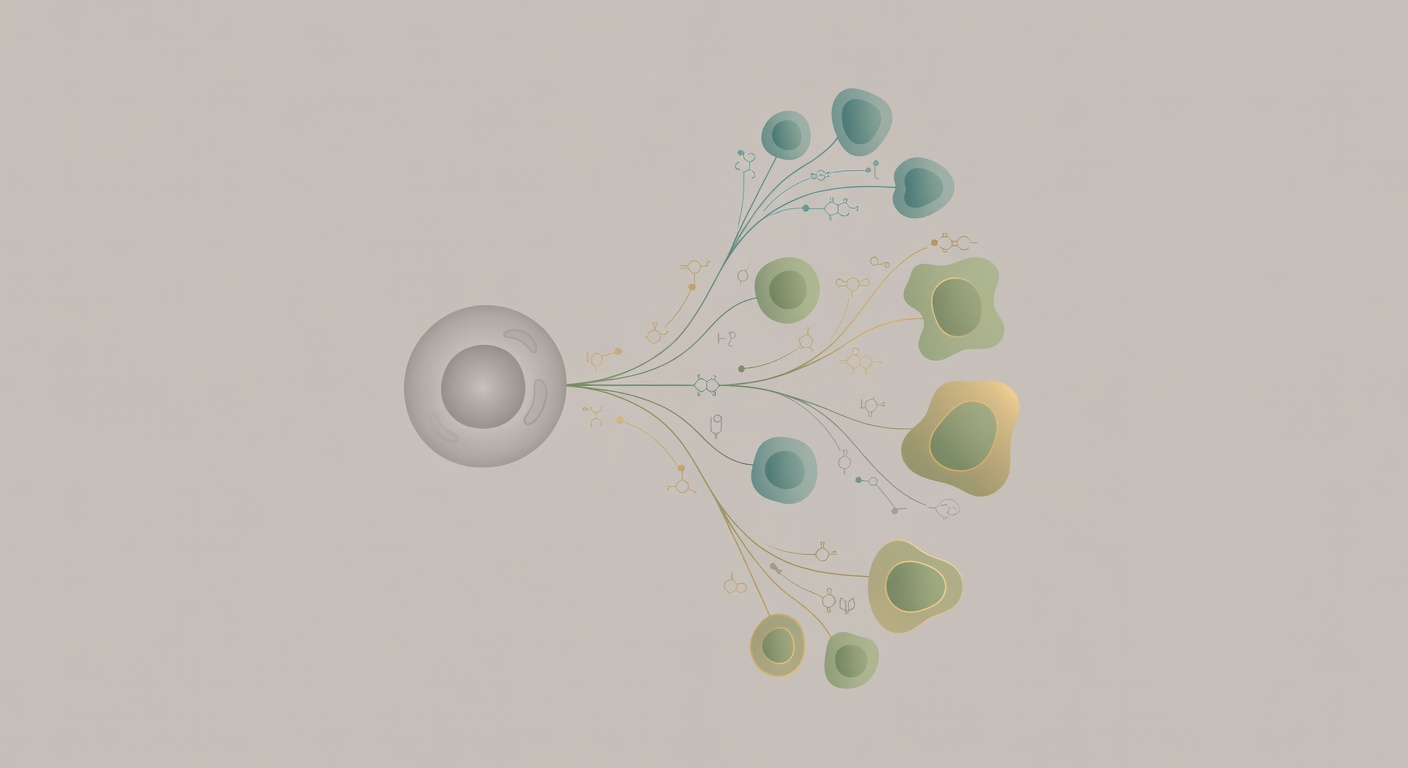
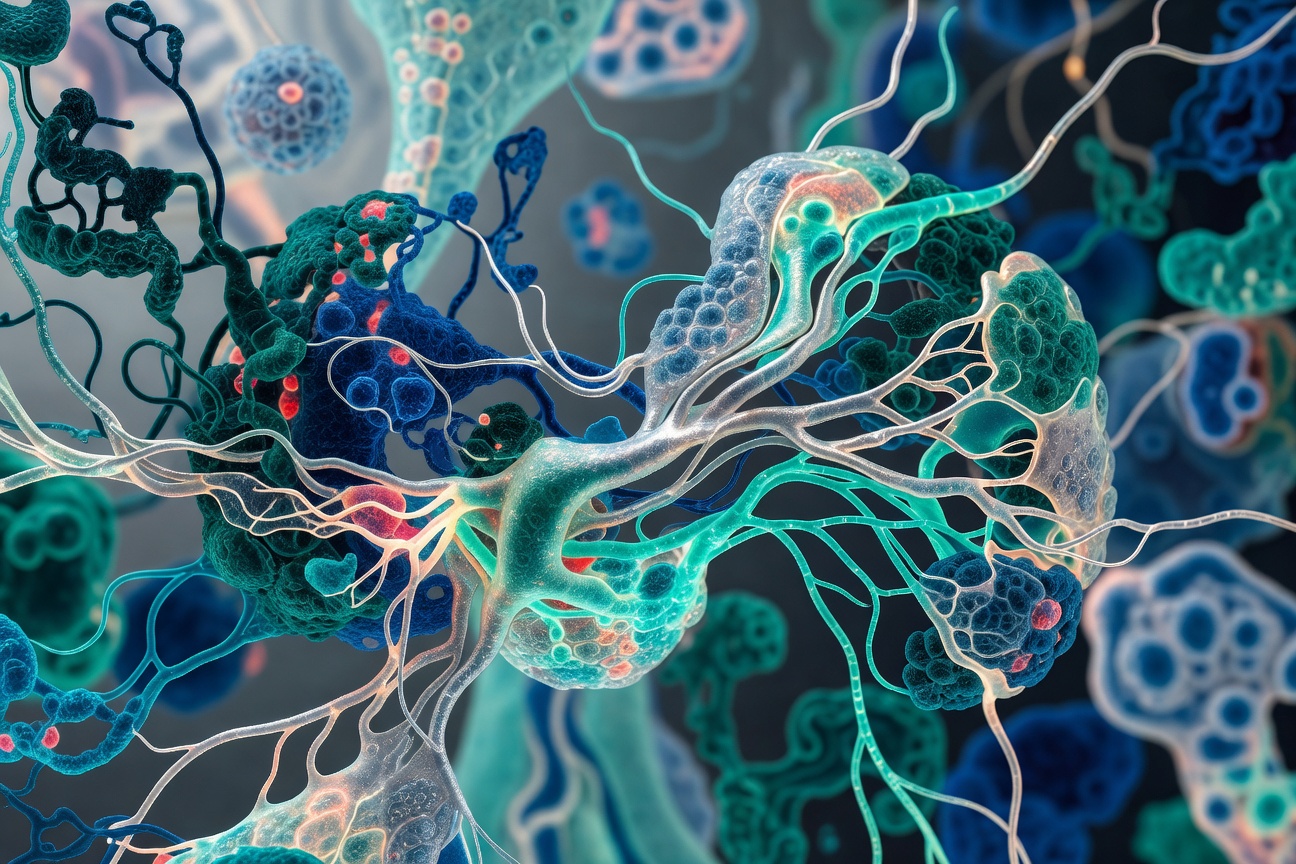
Senescent cells in mammary tissue serve opposing roles during the critical postpartum period, promoting healthy breast remodeling under normal circumstances while accelerating cancer progression when oncogenic mutations are present. The research demonstrates that these metabolically active but non-dividing cells orchestrate tissue plasticity and cellular invasion mechanisms that facilitate both normal involution and malignant transformation. This dual functionality illuminates why breast cancer risk increases significantly during the postpartum window, particularly in women with underlying genetic predispositions. The findings challenge the simplistic view of senescence as purely protective or harmful, revealing instead a context-dependent cellular program that can be hijacked by cancer. For women in their reproductive years, this research suggests that postpartum period represents a uniquely vulnerable time when beneficial tissue remodeling processes may inadvertently support tumor progression. The work also indicates that senescent cell burden and the timing of oncogenic events could serve as biomarkers for postpartum breast cancer risk assessment, potentially enabling more precise surveillance strategies for high-risk women during this critical developmental window.
Postpartum Breast Tissue Senescence Paradox Reveals Dual Cancer Risk
📄 Based on research published in Nature Aging
Read the original research →For informational, non-clinical use. Synthesized analysis of published research — may contain errors. Not medical advice. Consult original sources and your physician.