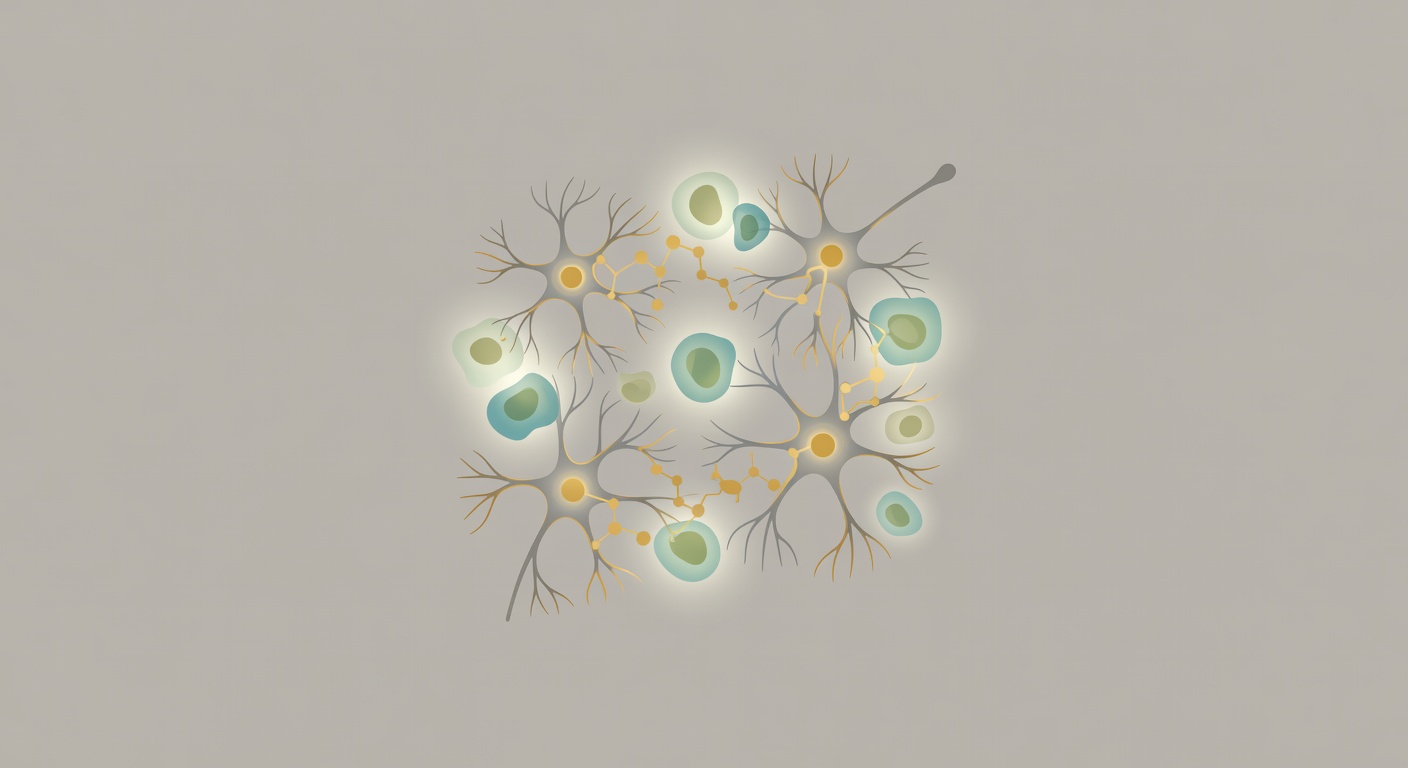
Muscle stem cells (MuSCs) undergo a fundamental trade-off with aging, prioritizing their own survival over regenerative capacity through increased expression of NDRG1, a tumor suppressor that inhibits the mTOR pathway. This cellular survivorship bias explains why aged muscle repairs more slowly after injury—the stem cells remain viable but become sluggish in activation and contribution to tissue regeneration. This mechanism represents a significant advance in understanding muscle aging biology. Rather than stem cells simply dying off or becoming defective, they actively shift toward a conservative survival mode that preserves the stem cell pool but compromises functional output. The finding connects aging muscle dysfunction to a well-characterized longevity pathway (mTOR suppression), suggesting interventions targeting this trade-off could restore regenerative capacity without depleting stem cell reserves. However, the challenge lies in rebalancing this system—enhancing activation without triggering stem cell exhaustion. This survivorship bias may extend beyond muscle to other tissue stem cells, potentially explaining why many age-related repair deficits occur despite maintained stem cell numbers.
Muscle Stem Cells Sacrifice Repair Function for Survival

📄 Based on research published in Science (New York, N.Y.)
Read the original research →For informational, non-clinical use. Synthesized analysis of published research — may contain errors. Not medical advice. Consult original sources and your physician.