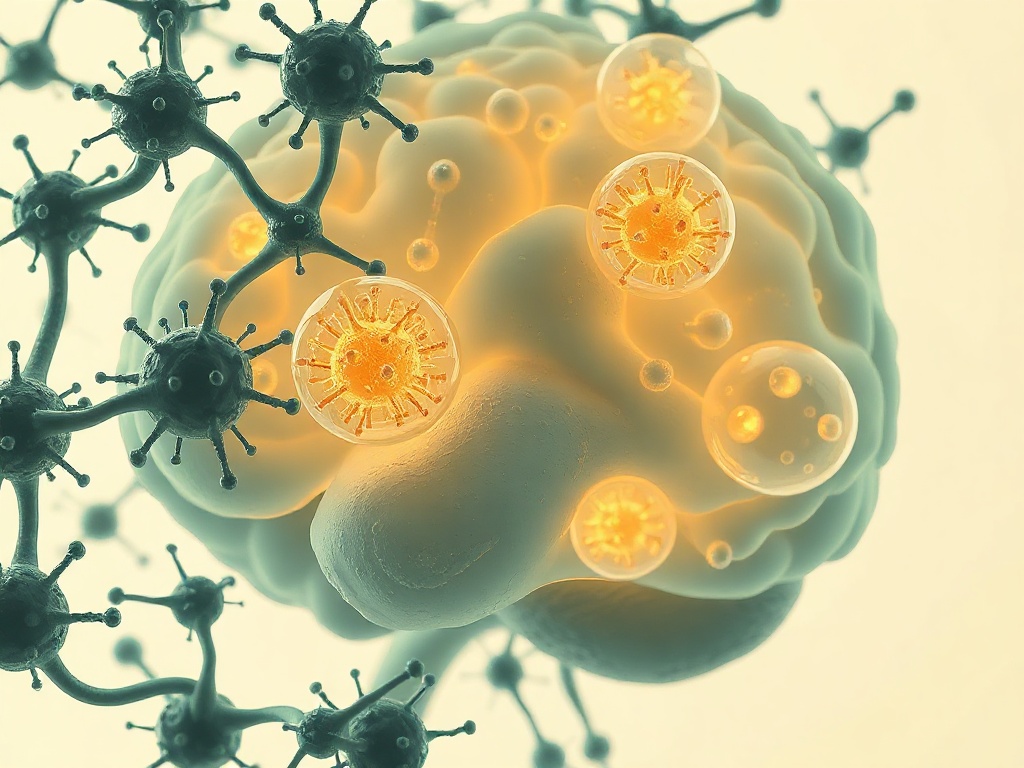
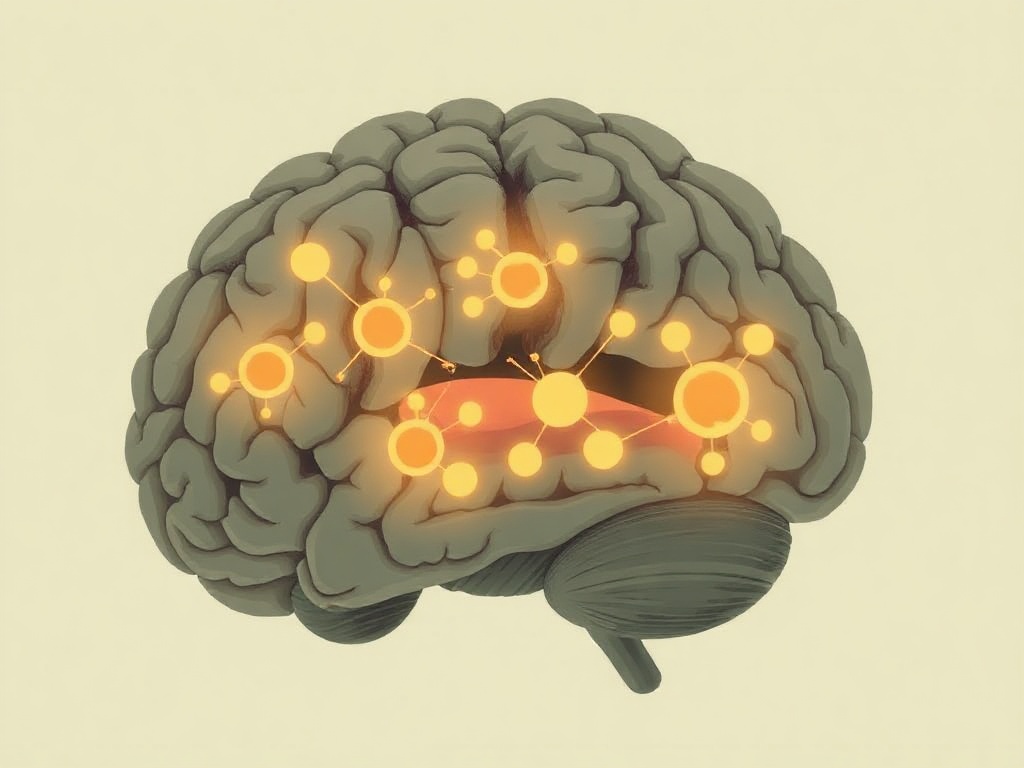
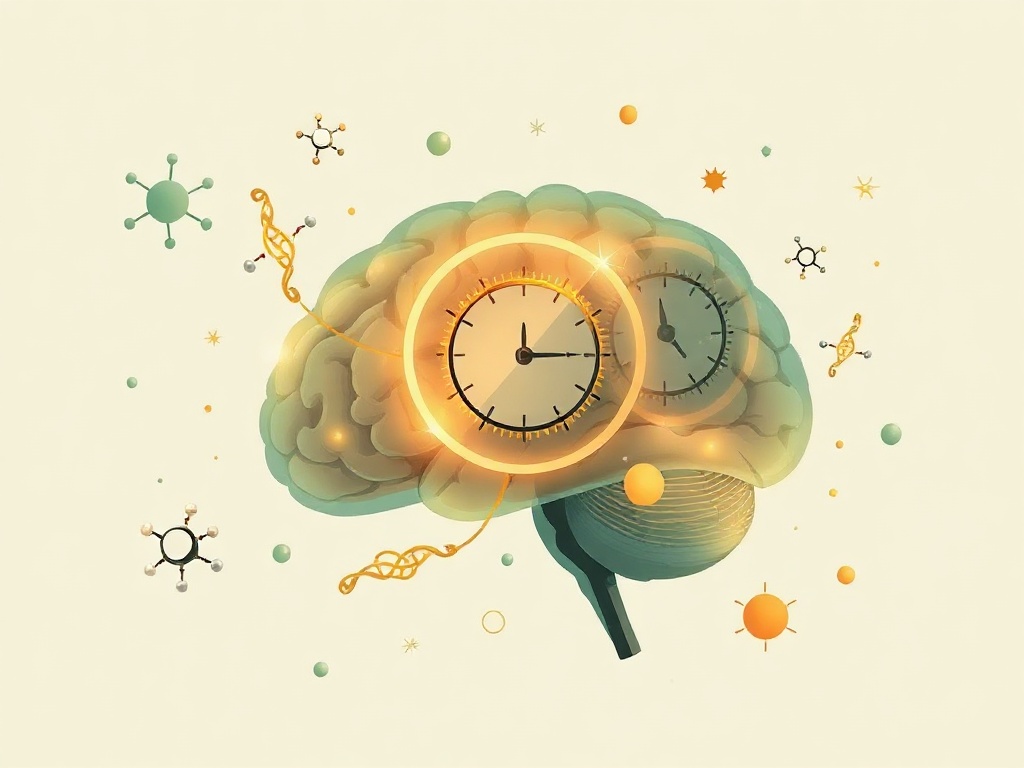
Postoperative cognitive dysfunction affects elderly surgical patients through neuroinflammation, blood-brain barrier disruption, and critically, the same pathological hallmarks as Alzheimer's disease—amyloid-beta accumulation and tau hyperphosphorylation. The condition involves microglial activation and cytokine release that mirrors neurodegenerative processes. This convergence suggests surgery doesn't just cause temporary cognitive impairment but may actually accelerate existing neurodegeneration in vulnerable individuals, particularly those carrying ApoE4 genetic variants or showing pre-existing cognitive decline. The finding fundamentally reframes surgical cognitive complications from transient side effects to potential catalysts for dementia progression. Emerging interventions show promise: anti-inflammatory agents like minocycline and dexmedetomidine, neuroprotectants including melatonin, and precision anesthesia approaches tailored to individual risk profiles. However, the field lacks validated biomarkers for early detection and long-term monitoring. This represents a paradigm shift requiring anesthesiologists and surgeons to consider cognitive protection as integral to surgical care, especially given aging populations face increasing surgical procedures. The research underscores an urgent need for preoperative cognitive risk assessment and personalized neuroprotective strategies.
Surgery-Induced Cognitive Decline Shares Alzheimer's Pathways in Elderly

Primary reference: Brain research bulletin · View source ↗
Informational, non-clinical synthesis informed by published research. Not a clinical guideline or medical advice. May contain errors or editorial interpretation. Consult the original source and your physician.