For decades, the field has known that tau aggregates kill neurons—but not precisely how. Pinpointing the molecular chain from tangled proteins to cell death opens a genuinely new therapeutic window, one that bypasses tau itself and targets a downstream executioner that may be pharmacologically accessible.
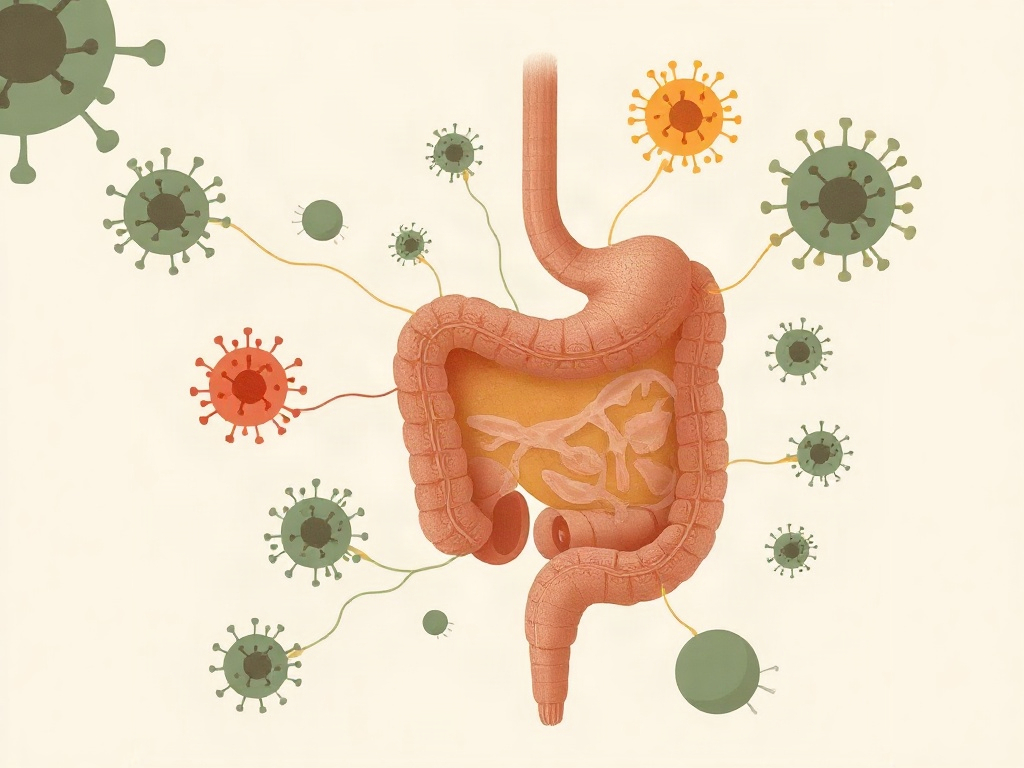
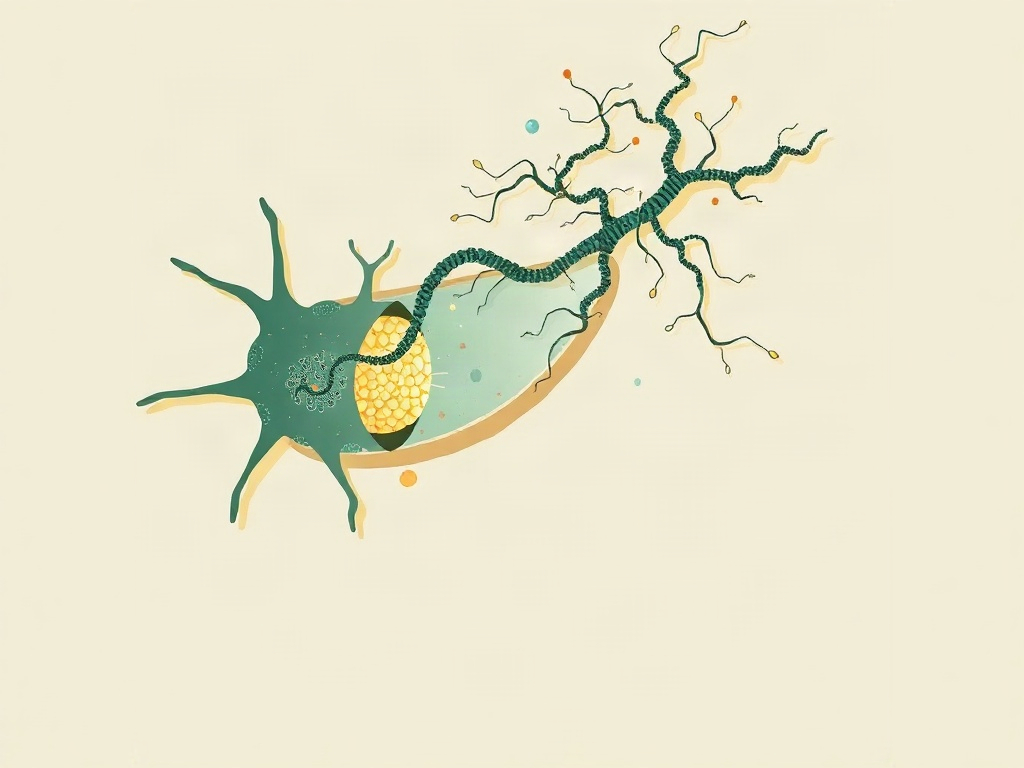
Working with the PS19 tauopathy mouse model, investigators traced a mechanistic cascade beginning when tau aggregates bind tightly to H3K9me3-modified chromatin—a histone mark that normally anchors heterochromatin protein 1 (HP1) and keeps transposable elements (TEs) silenced. By sequestering H3K9me3 marks away from HP1, tau aggregates destabilize constitutive heterochromatin, releasing previously silenced TEs. These reactivated TEs generate Z-form RNA structures (Z-RNAs) that activate ZBP1 (Z-DNA-binding protein 1), a innate immune sensor that subsequently drives neuronal cell death. Crucially, reducing ZBP1 gene dosage by half—Zbp1 haploinsufficiency—meaningfully rescued cognitive deficits in 24-month-old tau-transgenic mice, the most aged cohort tested. In human Alzheimer's disease tissue, ZBP1 expression in excitatory neurons correlated inversely with cognitive performance.
This finding is more than incremental. The tau–heterochromatin–TE–Z-RNA–ZBP1 axis integrates two previously parallel literatures: the chromatin disruption observed in aging and tauopathy, and the emerging role of innate nucleic-acid sensing in neurodegeneration. Transposable element reactivation in aging neurons has been documented in Drosophila and mammals, and ZBP1-mediated cell death (PANoptosis) is an active area in oncology and virology, but this study positions ZBP1 as a direct tau neurotoxicity effector. Key limitations include reliance on a single transgenic mouse line overexpressing mutant tau, and the human data is correlational. Whether TE reactivation or ZBP1 hyperactivation occurs in sporadic, non-genetic Alzheimer's disease at physiologically relevant levels remains to be confirmed. Nonetheless, ZBP1 inhibition represents a novel, potentially druggable node downstream of both tau aggregation and neuroinflammation.