Skin aging has long been attributed to cumulative oxidative damage, but a newly synthesized framework shifts the focus to a specific enzymatic failure point: when the enzyme responsible for neutralizing superoxide radicals itself becomes a victim of that very stress, a self-perpetuating cycle of cellular dysfunction may be set in motion. This mechanistic insight reframes skin aging not merely as passive wear but as an active collapse in protein quality control.
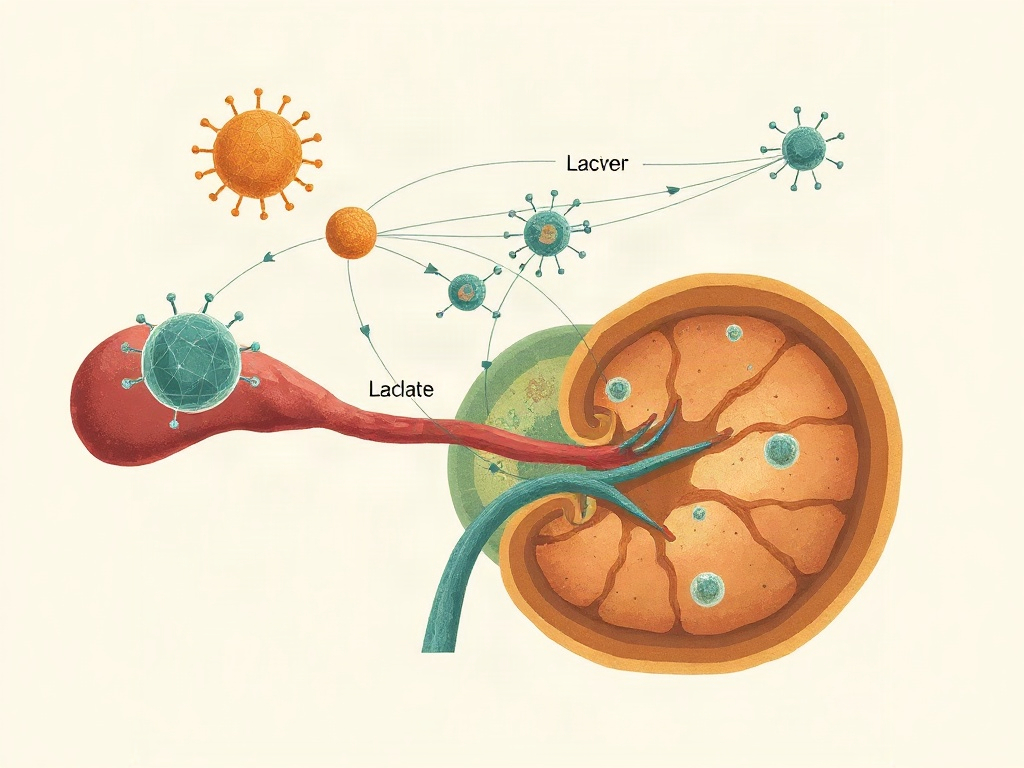
Superoxide dismutase 1 (SOD1) is a copper- and zinc-dependent cytosolic enzyme that serves as a primary cellular defense against superoxide radicals. This review in Ageing Research Reviews synthesizes current evidence showing that excess reactive oxygen species (ROS) can oxidatively modify SOD1 through post-translational mechanisms, inducing its misfolding and triggering the formation of toxic protein aggregates. In skin-relevant cell types — particularly dermal fibroblasts and epidermal keratinocytes — this SOD1 dysfunction may accelerate proteostasis failure: the progressive breakdown of the cellular machinery that detects, refolds, and clears damaged proteins. Critically, the review identifies a bidirectional feedback loop between proteostasis collapse and mitochondrial dysfunction, wherein each process amplifies the other, sustaining chronic oxidative stress and driving cellular senescence in cutaneous tissue.
This review is notable for its intellectual honesty: the authors carefully distinguish skin-specific experimental evidence from hypotheses extrapolated from non-cutaneous systems — a methodological discipline often absent in mechanistic reviews. The SOD1 misfolding story has deep precedent in neurodegeneration research, where mutant SOD1 aggregation drives ALS pathology, but its application to skin aging remains largely inferential at this stage. The practical longevity relevance here is real but distant; translating these mechanistic loops into interventions — whether via topical antioxidants, proteostasis-boosting compounds like heat shock protein inducers, or mitochondria-targeted therapies — requires human tissue validation that is still sparse. For now, this synthesis is best understood as a conceptual map for future investigation rather than a clinically actionable finding, making it an incremental but intellectually important contribution to the cutaneous aging field.